
Round Lab Diamonds: Complete Guide By Top Jewellery From London
The moment you see a perfectly cut round lab diamond catch the light, something magical happens.
Those 58 meticulously positioned facets work in harmony, creating a display of brilliance that has captivated hearts for over a century.
But there's more to this story than just beauty—today's round lab diamonds represent a fascinating intersection of cutting-edge technology, environmental responsibility, and timeless elegance.
Whether you're planning a proposal, treating yourself to something special, or simply curious about these remarkable stones, understanding round lab diamonds opens the door to making choices that align with both your aesthetic desires and your values.
The round brilliant cut isn't just the world's most popular diamond shape by accident—it's the result of decades of refinement in both cutting techniques and, more recently, revolutionary advances in diamond cultivation.
What makes this particularly exciting is that lab-grown technology has democratised access to exceptional quality round diamonds whilst eliminating the environmental and ethical concerns associated with traditional mining. [sustainability of lab-grown diamonds]
You're not choosing between beauty and responsibility anymore—you can have both.
Why Round Lab Diamonds Dominate the Diamond World
Walk into any jewellery shop, and you'll quickly notice that round diamonds command the most prominent displays.
There's a compelling reason why approximately 60% of all diamond purchases feature round stones—they've been engineered, quite literally, for maximum visual impact.
The modern round brilliant cut represents one of humanity's most successful attempts to harness and redirect light.
When Belgian diamond cutter Marcel Tolkowsky published his mathematical analysis of diamond proportions in 1919, he laid the groundwork for what we now recognise as the ideal round diamond. [history of the round brilliant cut]
His calculations determined the precise angles and proportions needed to maximise light return, creating the foundation for every round diamond that dazzles us today.
The Science Behind Round Diamond Brilliance
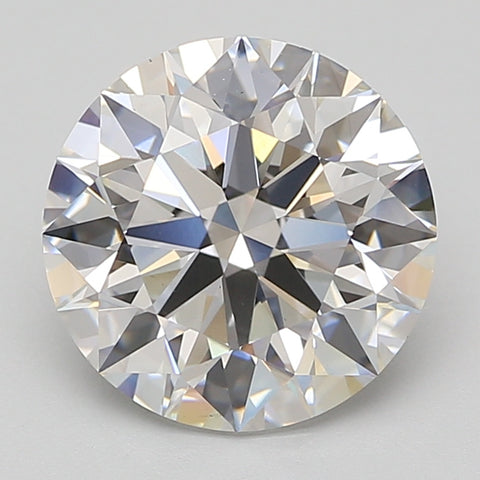
What makes this particularly fascinating is how the round brilliant's 57 to 58 facets work together as a sophisticated optical system.
The crown facets gather light from above, the pavilion facets redirect it back to your eye, and the result is that distinctive sparkle that seems to pulse with life.
This isn't just a poetic description—it's physics in action.
Key elements that create round diamond superiority:
-
Crown facets: Gather and bend incoming light
-
Pavilion facets: Act as mirrors reflecting light back to the eye
-
Table facet: Provides the primary light entry point
-
Culet: Prevents light leakage from the bottom
But beyond the technical brilliance lies something more intuitive. There's something deeply satisfying about perfect circular symmetry that resonates with human perception.
Perhaps it's evolutionary—we're drawn to patterns that suggest completeness and balance. Or maybe it's simply that the round shape offers the most versatile canvas for light play, creating those mesmerising patterns of brightness and shadow that make diamonds so captivating.
Versatility That Sets Rounds Apart
This versatility extends far beyond optics. Round lab diamonds adapt beautifully to virtually any setting style:
-
Traditional solitaires for timeless elegance
-
Contemporary tension settings for modern appeal
-
Vintage-inspired designs with intricate metalwork
-
Statement pieces as dramatic centre stones
-
Subtle accents in pavé or channel settings
Try to think of a jewellery style where rounds don't work, and you'll find yourself struggling. This adaptability makes them perfect for pieces in our ring collection, earrings collection, and necklace collection.
The psychological appeal runs deeper than aesthetics, though. When someone chooses a round diamond, they're often drawn to its timeless quality—the confidence that their choice will look as elegant decades from now as it does today.
In a world where trends come and go with dizzying speed, there's something reassuring about selecting a shape that has remained consistently beautiful for over a century.
Have you ever noticed how a round diamond seems to "breathe" with light as you move it? That's no accident—it's the result of precise engineering where every facet angle contributes to an overall light performance that other shapes struggle to match.
This dynamic quality means round lab diamonds never look static or dull when worn, constantly shifting and sparkling with the wearer's movements.
Decoding Round Lab Diamond Quality: What Really Matters
Understanding quality in round lab diamonds requires moving beyond simple checklists to appreciate how different characteristics interact and influence each other.
It's rather like understanding wine—while you can learn the basic categories, the real appreciation comes from understanding how different elements work together to create the overall experience.
Cut Quality: The Foundation of Beauty
The relationship between cut quality and overall beauty in round diamonds is more pronounced than in any other shape.
This happens because the round brilliant cut is designed to be a precision instrument for light manipulation. When that precision is compromised, the effects are immediately visible.
A poorly cut round diamond doesn't just look dull—it can appear lifeless, failing to deliver on the very promise that makes round diamonds special.
Consider cut quality as the conductor of an orchestra where colour, clarity, and carat weight are the musicians:
-
Excellent conductor (cut) + good musicians = beautiful performance
-
Poor conductor (cut) + exceptional musicians = disappointing result
-
The conductor's impact affects every other element's contribution
Similarly, a round lab diamond with excellent colour and clarity but poor cut proportions will underperform compared to a slightly lower grade stone that's been cut to ideal specifications.
Understanding Colour in Round Diamonds
The colour behaviour in round diamonds presents some fascinating characteristics. The brilliant faceting pattern can actually help mask slight colour tints, particularly in the face-up position where you'll view the diamond most often.
This means you might find excellent value in colour grades like G or H, which can appear nearly colourless when set in white metals, despite being technically classified as "near colourless."
Here's where many buyers make costly mistakes: they assume that higher colour grades automatically translate to better appearance.
In reality, a G colour round diamond with excellent cut quality often appears more brilliant and "white" than a D colour stone with poor proportions.
The cut quality affects how light moves through the diamond, and brilliant light performance can effectively neutralise minor colour variations.
Strategic colour considerations for round lab diamonds:
-
D-F grades: Truly colourless, command premium pricing
-
G-H grades: Near-colourless, excellent value when well-cut
-
I-J grades: Slight warmth, often undetectable in smaller sizes
-
Setting impact: White metals enhance colourless appearance
For those interested in the pinnacle of colour quality, explore our upcoming D Colour Lab Diamonds guide for comprehensive insights into colourless diamond excellence.
Clarity: Strategic Opportunities in Round Cuts
Clarity considerations in round diamonds offer their own strategic opportunities.
The faceting pattern creates numerous angles and light reflections that can help conceal inclusions, particularly those positioned away from the centre of the stone. This means VS1 and VS2 clarity grades often provide completely eye-clean stones at significantly lower prices than VVS grades.
The key insight here is understanding which inclusions matter and which don't.
A small crystal inclusion positioned under the table facet might be visible under magnification but completely invisible to the naked eye due to the surrounding facet reflections. Conversely, a dark inclusion positioned near the edge might be more noticeable despite technically being smaller.
Clarity sweet spots for round lab diamonds:
-
FL-IF: Flawless perfection, premium investment pieces
-
VVS1-VVS2: Nearly perfect, excellent for larger sizes
-
VS1-VS2: Eye-clean excellence, optimal value for most buyers
-
SI1: Careful selection required, potential budget savings
Size Perception: Beyond Diameter Measurements
Size perception in round diamonds involves more than just diameter measurements. The way a round diamond appears on the hand depends on:
-
Finger proportions and length
-
Setting style and metal choice
-
Wearer's hand movements and gestures
-
Lighting conditions where it's worn
A 1.2-carat round diamond offers nearly identical visual impact to a full 1-carat stone but often comes at a notable price advantage simply because it doesn't hit that psychological milestone that drives premium pricing.
This interconnected nature of quality factors means successful round diamond selection requires thinking holistically rather than focusing on individual grades in isolation.
The goal isn't to tick boxes on a specification sheet—it's to find the combination that delivers the most beautiful stone for your priorities and budget.
Round Lab Diamond Sizes: Beyond the Numbers Game
Selecting the right size round lab diamond involves understanding how carat weight translates into real-world visual impact and practical considerations.
The relationship between size and appearance isn't as straightforward as you might expect, and savvy buyers learn to navigate these nuances to maximise both beauty and value.
The psychology of diamond sizing plays a fascinating role in purchasing decisions. Certain carat weights—particularly 0.50, 1.00, 1.50, and 2.00—command premium pricing because they represent psychological milestones.
However, diamonds just below these thresholds often offer exceptional value. A 0.90-carat round diamond appears virtually identical to a 1.00-carat stone but typically costs 15-20% less.
Popular milestone weights and their characteristics:
-
0.50 carat: Entry into "serious" diamond territory
-
1.00 carat: The classic engagement ring standard
-
1.50 carat: Noticeable luxury and presence
-
2.00 carat: Statement piece territory
Visual impact depends on more than just diameter measurements. Hand proportions significantly influence how any given size appears:
-
Longer, slender fingers: Can elegantly carry larger stones
-
Shorter fingers: Better complemented by moderate sizes
-
Wide fingers: Benefit from elongated settings or larger rounds
-
Petite hands: May prefer smaller stones for proportion balance
There's no universal "right" size—only the right size for you.
Consider how the diamond will be worn in daily life. A 2-carat round diamond creates stunning visual impact but requires consideration of practical factors: will it catch on clothing, feel comfortable during daily activities, or suit your lifestyle?
Some people discover that their ideal size balances presence with wearability.

The relationship between size and setting choice creates additional considerations. Larger rounds often benefit from more substantial settings that can properly support and showcase the stone, whilst smaller rounds might be enhanced by design elements like halos that increase apparent size.
Understanding these relationships helps you think holistically about the finished piece rather than just the centre stone.
Price progression across sizes follows predictable patterns, but with notable opportunities for value optimisation. The steepest price increases typically occur at those psychological milestone weights, whilst stones just above milestones often represent poor value compared to the next size down.
Learning to spot these value opportunities can result in significantly better stones for the same budget.
Looking at carat weight from an investment perspective reveals additional strategic considerations.
Certain sizes tend to hold their value better over time, particularly those that align with popular engagement ring preferences.
However, the most important "investment" consideration is choosing a size you'll genuinely love wearing for years to come.
The sweet spot for many buyers falls between 0.70 and 1.30 carats—large enough to create meaningful presence without venturing into territory where prices increase dramatically.
Within this range, you can often find exceptional stones that deliver impressive visual impact whilst remaining accessible from a budget perspective.

Round Lab Diamonds vs Other Shapes: The Honest Comparison
Every diamond shape has devoted followers, and understanding how rounds compare to alternatives helps ensure you're making a choice that aligns with your aesthetic preferences and practical needs.
This isn't about declaring one shape superior—it's about understanding what each brings to the table.
Brilliance and Fire: Round's Greatest Strength
Brilliance and fire represent round diamonds' strongest advantage. The mathematical precision of the round brilliant cut simply outperforms other shapes in terms of light return. When gemologists measure light performance, rounds consistently achieve the highest scores for:
-
Brilliance: White light reflection that creates overall brightness
-
Fire: Coloured light dispersion that creates rainbow flashes
-
Scintillation: Light and dark pattern flashes during movement
This translates to the maximum sparkle and visual impact that draws so many people to diamonds in the first place.
The Trade-Offs of Excellence
However, this optical superiority comes with trade-offs:
Price Premium: Round diamonds typically cost 10-25% more than other shapes of equivalent quality, primarily due to:
-
Higher rough diamond wastage during cutting
-
Greater demand driving premium pricing
-
More complex cutting requirements
The Personality Factor: Round diamonds project classic elegance and timeless appeal, but some considerations include:
-
Some find them predictable or lacking distinctive character
-
May not reflect unique personal style preferences
-
Could feel too "traditional" for contemporary tastes
If you're someone who appreciates unique aesthetics or wants a stone that stands out as unconventional, alternative shapes might better reflect your personality.
Versatility Across Jewellery Types
Versatility across different jewellery types strongly favours rounds:
Round diamond applications:
-
Engagement rings: Universal compatibility with all setting styles
-
Stud earrings: Perfect symmetry for matched pairs
-
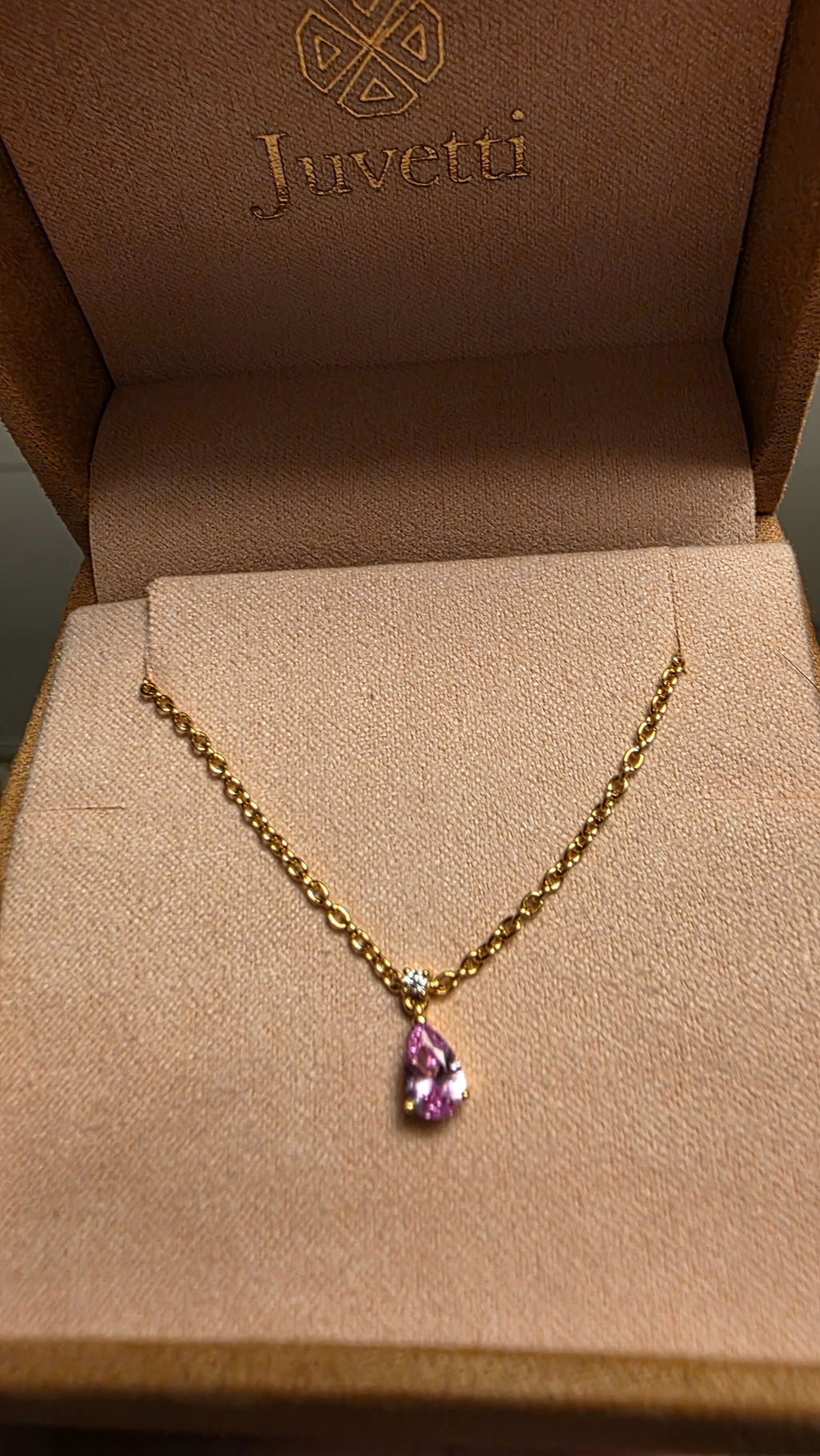
Pendant necklaces: Classic appeal in any mounting
-
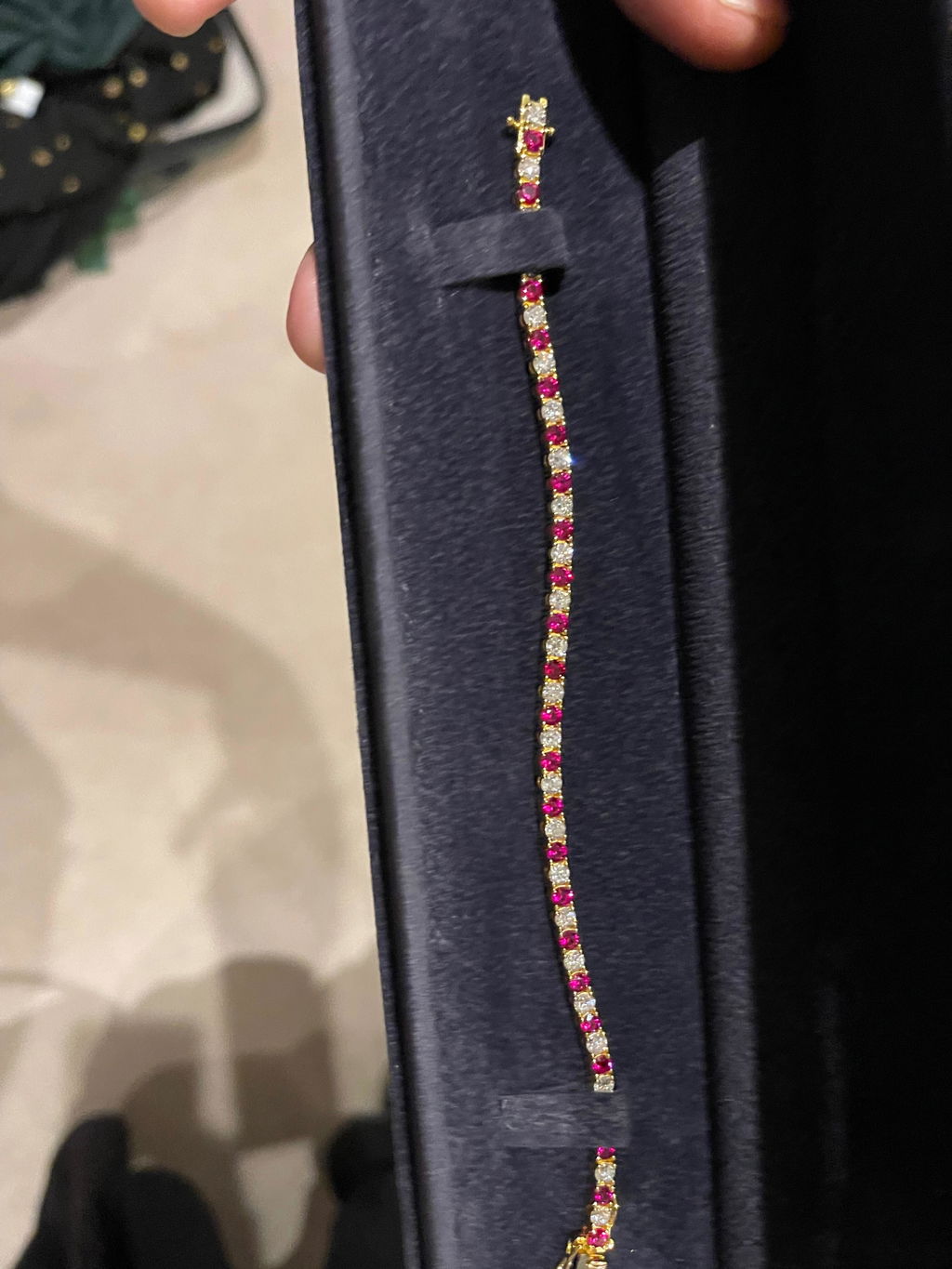
Tennis bracelets: Consistent sparkle along the entire length
Other shapes often have specific setting requirements or look better in certain styles than others.
This versatility extends to fashion compatibility—rounds complement every style from classic to contemporary.
Size Appearance Comparisons
Size appearance varies significantly between shapes:
Visual size comparison (same carat weight):
-
Elongated cuts (oval, marquise, pear): Appear larger due to greater surface area
-
Square cuts (princess, cushion): Similar face-up size to rounds
-
Step cuts (emerald, Asscher): May appear smaller but offer sophisticated elegance
If maximising apparent size is a priority, certain alternative shapes offer better value. However, rounds provide the most balanced proportions without the potential drawbacks of elongated shapes (like bow-tie effects in ovals).
For those intrigued by the elongated alternative, our upcoming Oval Lab Diamonds guide explores this increasingly popular choice.
Resale and Long-Term Considerations
From a resale and upgrade perspective, rounds maintain the strongest secondary market:
-
Consistently in demand across all market segments
-
Easier to sell or trade if preferences change
-
Most jewelers readily accept rounds for trade-ups
-
Universal appeal transcends fashion trends
Alternative shapes can be more challenging to resell, particularly trendy cuts that might fall out of favour over time.
The "Safe Choice" Dilemma
The "safe choice" aspect of rounds cuts both ways:
Advantages of choosing "safe":
-
Universally appealing and timeless
-
Unlikely to look dated or regrettable
-
Compatible with changing fashion trends
-
Broad acceptance and appreciation
Potential drawbacks:
-
May feel predictable or uninspired
-
Doesn't express unique personal style
-
Could be seen as conventional choice
-
Might not satisfy desire for distinctiveness
Consider your long-term satisfaction when weighing these factors.
Are you someone who appreciates maximum optical performance above all else? Do you prefer classic elegance or distinctive style? Will you be happy with a popular choice, or do you need something that feels uniquely yours? These personal preferences matter more than any technical specifications.

Understanding Round Lab Diamond Pricing: UK Market Reality
Round lab diamond pricing follows predictable patterns, but understanding the nuances helps you navigate the market with confidence and identify exceptional value opportunities.
The UK market has its own characteristics that affect pricing, from London's premium positioning to broader economic factors.
Quality grade price jumps occur at specific thresholds rather than gradually. Moving from H to G colour might cost 15% more, whilst moving from G to F could cost another 20%. Understanding these jump points helps you evaluate whether upgrades are worth their premium.
Often, the most dramatic price increases occur between grades that show minimal visual differences.
The most significant pricing consideration involves the interaction between different quality factors.
A stone that's exceptional in one area can command premium pricing even if other characteristics are more modest. A round lab diamond with exceptional cut quality might be worth choosing over a stone with higher colour or clarity grades but inferior light performance.
UK market dynamics create some interesting pricing opportunities. London's position as a global diamond trading centre means access to exceptional stones, but it also means competition with international buyers for the finest pieces.
However, the lab-grown market remains less mature than traditional diamonds, creating opportunities for knowledgeable buyers.
Seasonal fluctuations affect pricing, though less dramatically than in natural diamonds. Engagement season (autumn through early spring) typically sees increased demand and slightly higher prices.
Summer months might offer better selection and pricing for patient buyers.
Value optimisation requires understanding where to prioritise your budget. For round lab diamonds, cut quality should rarely be compromised—it affects beauty too dramatically.
Colour offers excellent opportunities for savings, particularly in the F-H range where differences are minimal when set in white metals.
Clarity provides another strategic saving opportunity, as VS1-VS2 stones are typically eye-clean in rounds.
Budget-friendly excellence typically centres around stones in the G-H colour range with VS1-VS2 clarity and excellent cut quality.
This combination delivers outstanding beauty whilst avoiding the premium pricing attached to top colour grades. For most buyers, this represents the sweet spot between quality and value.
Premium investment pieces justify their cost through exceptional characteristics across all quality factors. These stones—typically D-F colour with VVS or FL clarity and ideal cut proportions—represent the pinnacle of round diamond quality.
They're chosen by buyers who want the absolute finest stones available or who view diamonds as both beauty and investment.
Mid-range positioning often provides the best overall satisfaction. Stones with one or two exceptional characteristics balanced by good-to-very-good grades in other areas deliver impressive beauty whilst maintaining reasonable pricing.
This approach allows you to prioritise the characteristics that matter most to you whilst managing overall costs.
Understanding certification impacts on pricing helps you make informed decisions. GIA certification typically commands premium pricing but provides the most respected quality assessment.
Other reputable labs like IGI offer reliable certification at slightly lower cost premiums. Avoid stones without proper certification from recognised laboratories.
Juvetti's Round Lab Diamond Collection: Ethical Excellence Meets Timeless Beauty
Our approach to round lab diamonds reflects everything we believe about responsible luxury—that exceptional quality should never require compromising your values.
When you explore our carefully curated collection of round lab diamonds, you're seeing the result of rigorous selection processes and an unwavering commitment to both beauty and ethics.
Our Curation Philosophy
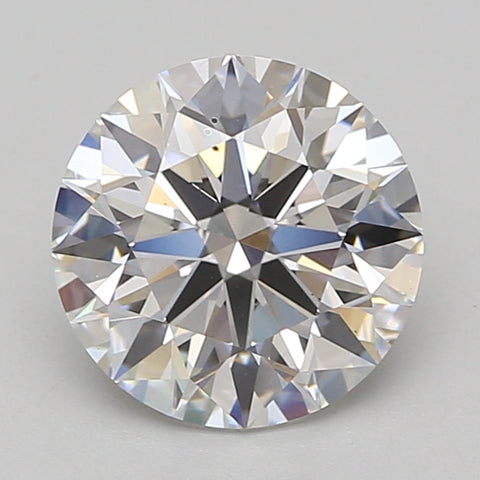
Every round lab diamond in our diamond gemstone collection undergoes individual inspection by our expert gemologists. We don't simply accept stones based on certification alone—each diamond must meet our standards for:
-
Light performance that delivers exceptional brilliance
-
Proportions that maximise beauty and fire
-
Overall visual appeal that exceeds expectations
-
Certification accuracy verified through independent assessment
This means our 3,758 round lab diamonds represent the finest selection from thousands of stones we've evaluated. Quality over quantity drives every decision we make.
Sustainability: More Than Just Lab-Grown
Our sustainability commitment runs deeper than simply offering lab-grown alternatives. These diamonds represent a fundamental shift in how luxury can be created:
-
Through innovation rather than extraction
-
Through precision rather than chance
-
Through responsibility rather than compromise
-
Through transparency rather than obscurity
When you choose a round lab diamond from Juvetti, you're participating in this transformation. Each stone represents a conscious choice to embrace beauty without environmental cost.
Environmental benefits of our lab-grown approach:
-
Zero mining impact on ecosystems and communities
-
Renewable energy powered cultivation processes
-
Minimal water usage compared to traditional mining
-
Complete supply chain transparency from creation to collection
London Heritage Meets Modern Innovation
London's heritage as a diamond centre informs our expertise whilst our values shape our selection. We understand traditional diamond quality assessment, but we apply these skills to stones created through cutting-edge technology.
This combination of classical knowledge and contemporary innovation ensures you receive both expert guidance and forward-thinking choices.
Our London location provides:
-
Access to global diamond markets and exceptional stones
-
Traditional craftsmanship expertise applied to modern technology
-
Convenient consultation appointments in the heart of London's diamond district
-
Comprehensive after-sales support and services
Quality Assurance Beyond Certification
Our quality assurance extends beyond initial selection to comprehensive certification and documentation:
What you receive with every stone:
-
Detailed grading reports from recognised laboratories
-
Complete transparency about characteristics and quality
-
Independent verification of all stated specifications
-
Lifetime authenticity guarantee and support
We believe you should understand exactly what you're choosing and why it represents exceptional value. This transparency builds confidence and ensures long-term satisfaction with your selection.
Fair Pricing Philosophy
Pricing reflects our commitment to fair value rather than artificial markups.
We work directly with leading lab-grown diamond producers, eliminating unnecessary intermediaries that inflate costs without adding value.
This approach means our pricing reflects the true value of exceptional stones rather than market positioning games.
Our pricing advantages:
-
Direct relationships with premier producers
-
No artificial premium for brand positioning
-
Transparent cost structure with clear value proposition
-
Competitive pricing without compromising quality standards
Current collection highlights:
-
3,758 certified round lab diamonds in various sizes and qualities
-
Price range from £1,067 to £15,000 accommodating diverse budgets
-
Every stone individually selected for exceptional characteristics
-
Immediate availability with full documentation and certification
Educational Service Approach
The educational aspect of our service distinguishes us from retailers focused solely on transactions. We want you to understand not just what you're buying, but why it represents an excellent choice for your specific needs and preferences.
This knowledge helps ensure long-term satisfaction with your selection.
Our consultation process includes:
-
Comprehensive education about quality factors and their interactions
-
Comparison opportunities to understand differences between options
-
Lifestyle considerations to match stones with your preferences
-
Setting recommendations to complement your chosen diamond
Complete Spectrum Coverage
Our collection spans the complete spectrum from accessible luxury to investment-grade specimens:
Entry-level excellence: 0.30-0.70 carat stones with excellent proportions and eye-clean clarity, perfect for first-time buyers or those seeking subtle elegance.
Popular range: 0.70-1.50 carat diamonds offering meaningful presence and impressive beauty, ideal for engagement rings and statement pieces.
Premium selection: 1.50-3.00+ carat stones with exceptional characteristics across all quality factors, chosen for maximum impact and investment potential.
Whether you're seeking your first fine diamond or adding to an established collection, our range includes stones that meet diverse budgets whilst maintaining consistent quality standards.
Consultation and Service Excellence
The consultation process reflects our belief that choosing a diamond should be enjoyable and pressure-free. Our experts help you navigate options whilst respecting your preferences and constraints. We're here to provide information and guidance—the decisions remain entirely yours.
What to expect from our consultation:
-
No-pressure environment focused on education and understanding
-
Personalised recommendations based on your specific preferences
-
Hands-on comparison opportunities with various stones
-
Comprehensive explanations of quality factors and value considerations
Ready to explore our carefully curated collection of round lab diamonds? Each stone represents a story of responsible luxury, technical excellence, and timeless beauty. Whether you're seeking loose stones or prefer to see them transformed into finished pieces in our diamond jewellery collection, let us help you find the perfect expression of your vision and values.
Explore Our Round Lab Diamond Collection | Book Your London Consultation
Frequently Asked Questions About Round Lab Diamonds
Understanding round lab diamonds often raises questions that go beyond basic specifications. Here are the most important queries we encounter, along with honest, comprehensive answers based on our expertise and customer experiences.
Are lab-grown round diamonds "real" diamonds?
This question touches on a fundamental misunderstanding about what makes a diamond "real." Lab-grown diamonds are chemically, physically, and optically identical to mined diamonds.
They consist of pure carbon arranged in the same crystal structure, exhibit identical hardness (10 on the Mohs scale), and display the same optical properties that create diamond brilliance.
The difference lies solely in origin—one formed naturally over billions of years, the other created through advanced technology that replicates those same natural conditions in controlled laboratory environments.
Leading gemological institutes, including GIA, certify lab-grown diamonds using the same rigorous standards applied to mined stones. The only way to distinguish between them requires specialized equipment that can detect trace elements present during formation.
How do round lab diamonds compare visually to mined rounds?
To the naked eye, there is absolutely no visual difference between a high-quality lab-grown round diamond and a mined round of equivalent specifications.
Both exhibit the same brilliance, fire, and scintillation that make round diamonds so captivating. Even experienced jewellers cannot distinguish between lab-grown and mined diamonds without specialized testing equipment.
The optical performance depends entirely on cut quality, colour grade, and clarity—not on origin. A beautifully cut lab-grown round with excellent proportions will significantly outshine a poorly cut mined diamond of higher technical grades.
This means your focus should remain on quality characteristics rather than origin when evaluating visual appeal.
What's the best round lab diamond specification for an engagement ring?
The ideal specifications depend on your priorities and budget, but certain combinations consistently deliver exceptional results for engagement rings. For maximum beauty within reasonable budgets, consider F-H colour with VS1-VS2 clarity and excellent cut quality.
This combination provides eye-clean stones that appear colourless when set in white metals.
Size considerations should reflect both visual preferences and practical wearability. The 0.70-1.30 carat range offers meaningful presence without venturing into territory where prices increase dramatically.
Remember that setting style significantly influences apparent size—a well-designed halo can make a 1-carat round appear closer to 1.5 carats.
Do round lab diamonds hold their value?
Lab-grown diamonds follow different market dynamics than mined diamonds, and it's important to have realistic expectations. While lab-grown diamonds don't typically appreciate in value like rare natural stones, high-quality lab-grown rounds maintain stable pricing and strong demand.
The resale market continues developing as acceptance grows.
The most important "value" consideration is your personal satisfaction and enjoyment of the piece. Choose specifications and quality levels you'll appreciate for decades rather than viewing the diamond primarily as a financial investment.
The beauty, ethical advantages, and emotional significance typically far outweigh resale considerations for most buyers.
How do I ensure I'm getting a quality round lab diamond?
Quality assurance begins with proper certification from respected gemological laboratories. GIA, IGI, and GCAL provide reliable, detailed assessments of diamond characteristics. Avoid stones without proper certification, as this documentation provides essential quality verification and comparison standards.
Beyond certification, work with knowledgeable retailers who can explain how different quality factors interact and affect overall beauty.
Ask to see stones under various lighting conditions, and don't hesitate to request detailed explanations of any characteristics you don't understand.
Reputable sellers welcome questions and provide comprehensive information about their stones.
Consider the seller's expertise, return policies, and long-term support. Quality extends beyond the stone itself to encompass the entire purchasing experience and ongoing relationship. Choose retailers who prioritize education and customer satisfaction over quick transactions.