How to choose a loose lab-grown diamond
Every loose diamond here has an independent IGI or GIA grading report and Excellent or Very Good polish and symmetry, and nearly all are D–F colour and VS2 clarity or better. In lab-grown diamonds the very top grades cost no more at the same size, so the decisions worth making are size, shape and proportion. The questions at the top of this page take you to one list, largest first, with our picks marked.
Size. Price follows carat almost exactly, and the price per carat falls as stones get bigger: around £450 per carat under 1 carat, £340 at 2–3 carats, £305 at 7 carats and above. So between two stones at the same price, take the larger one: one colour or clarity grade apart is not visible once set, a tenth of a carat is. In yellow or rose gold the metal warms every grade, so E or F is the sensible ceiling; D is worth having in white gold or platinum over 2 carats.
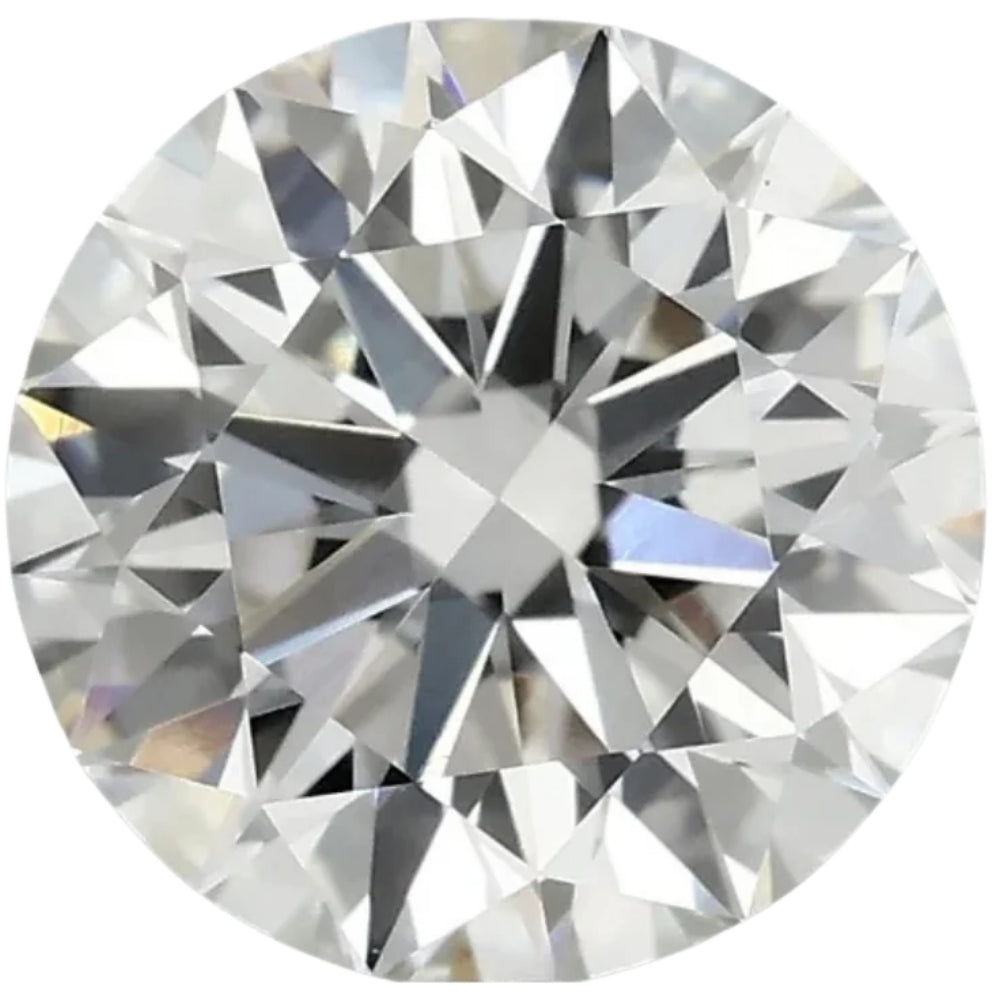
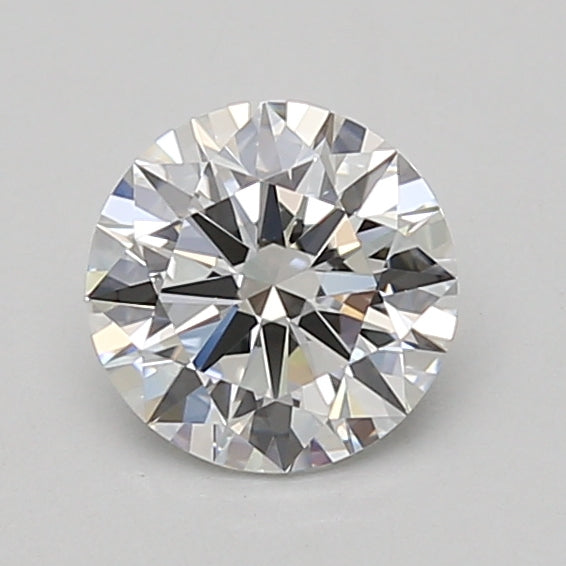
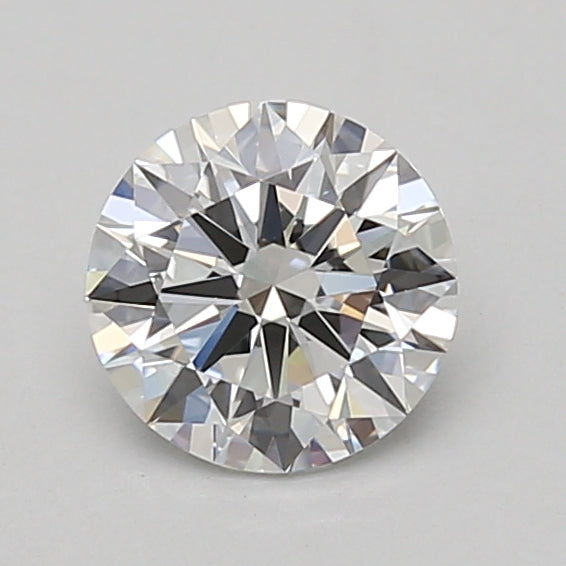
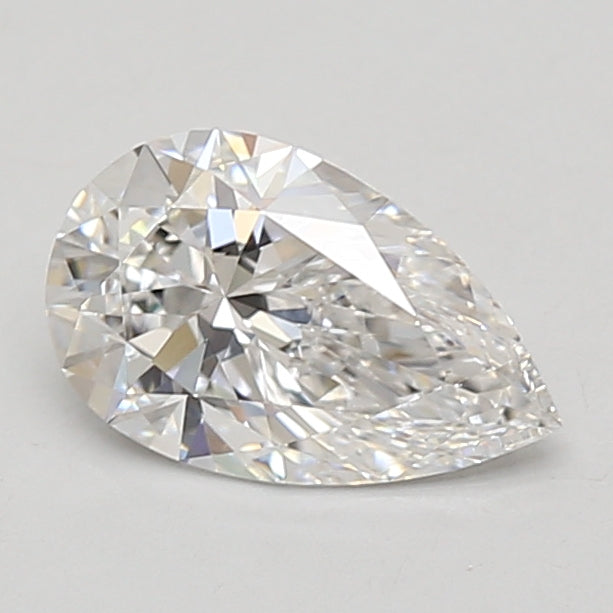
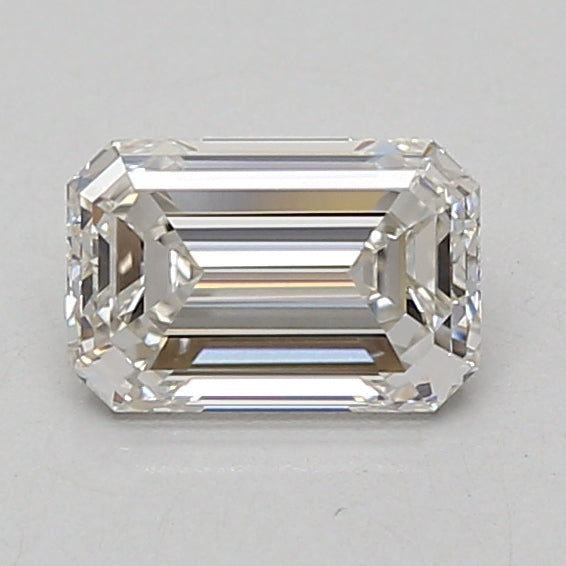
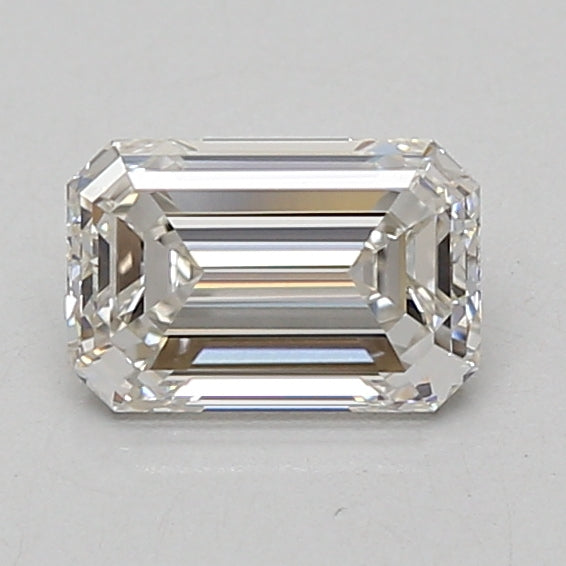
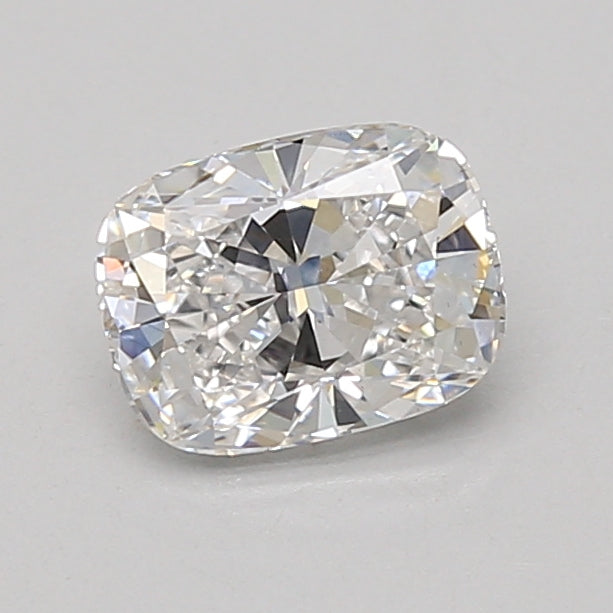
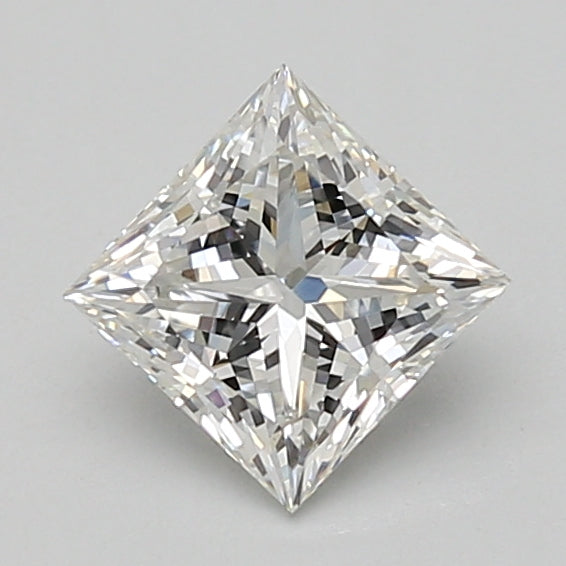
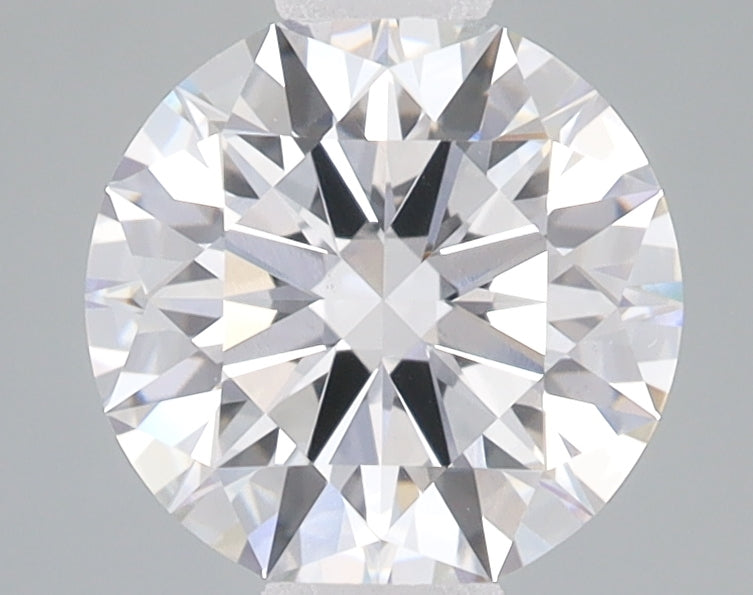
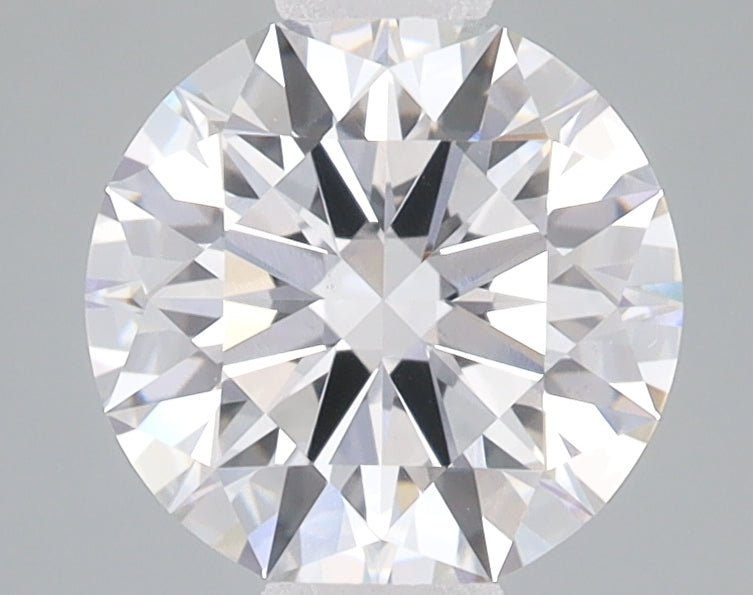
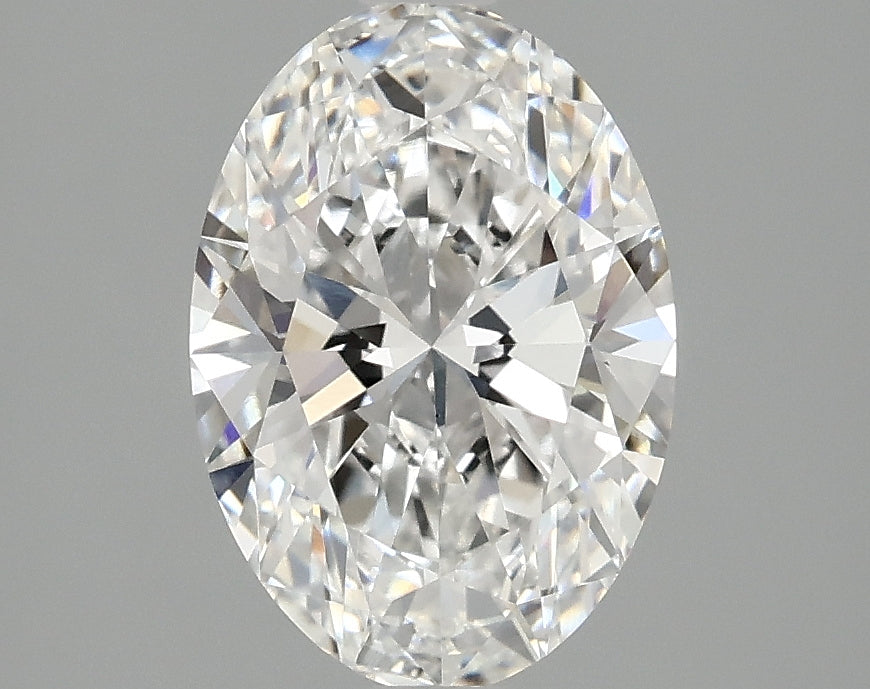
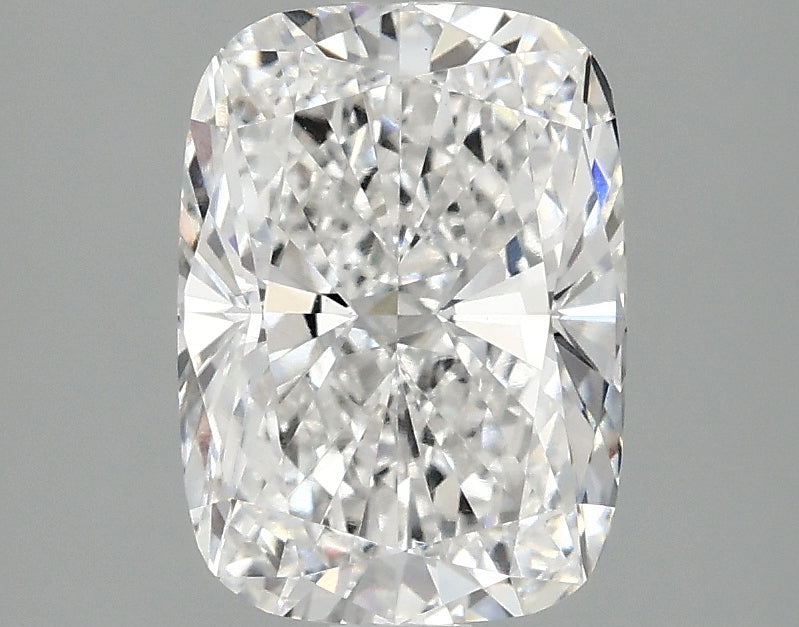
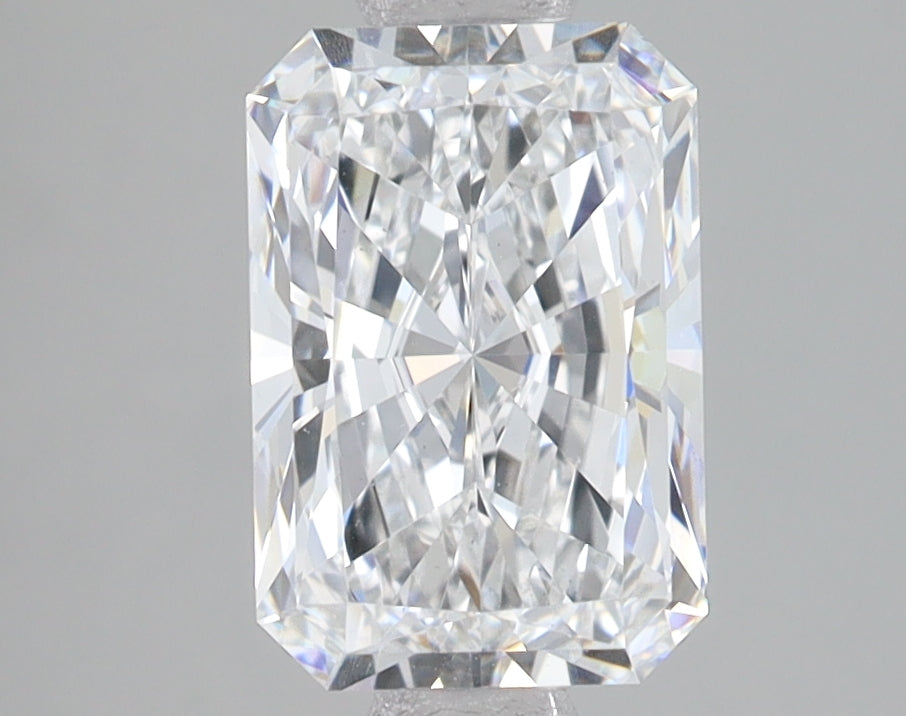
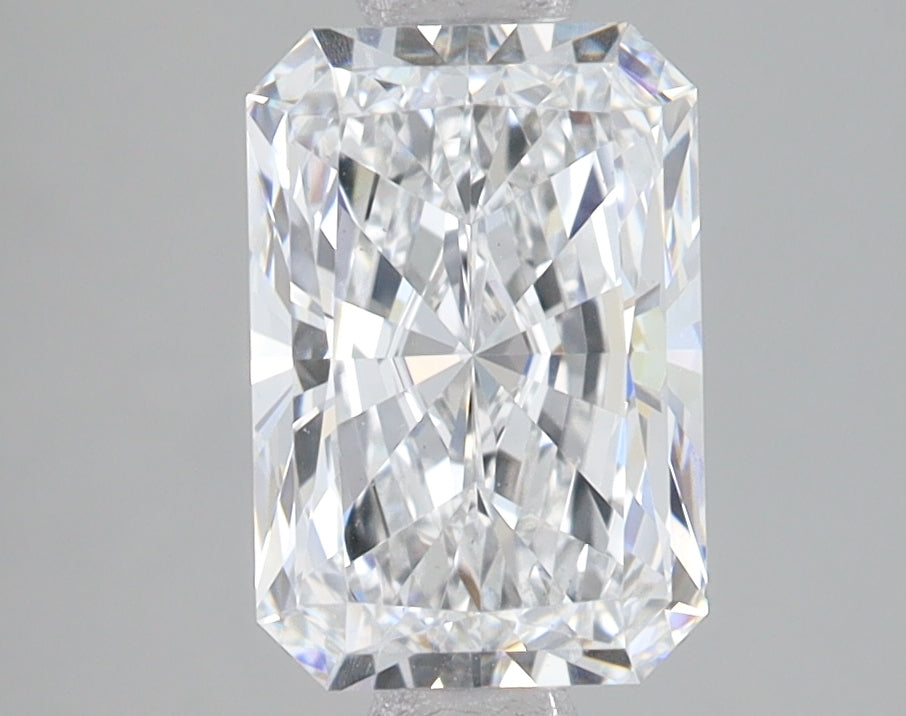
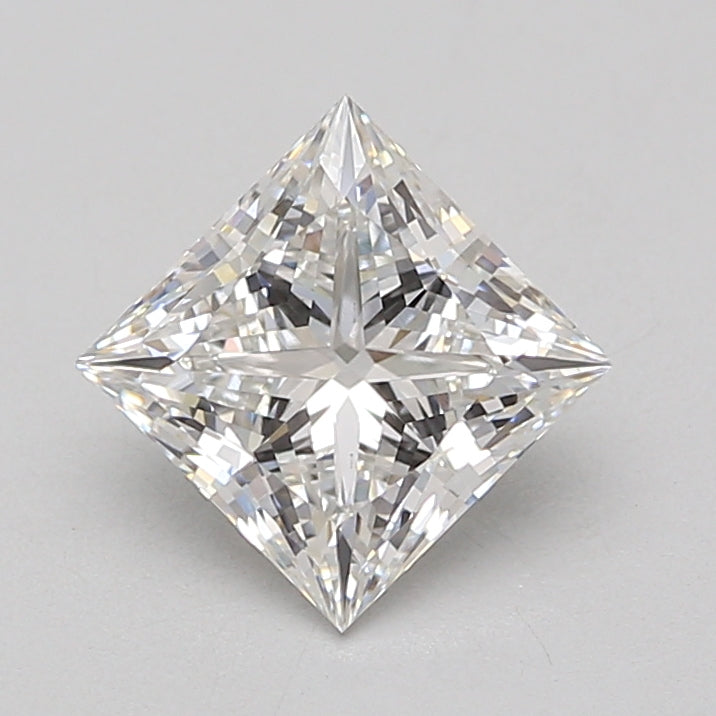
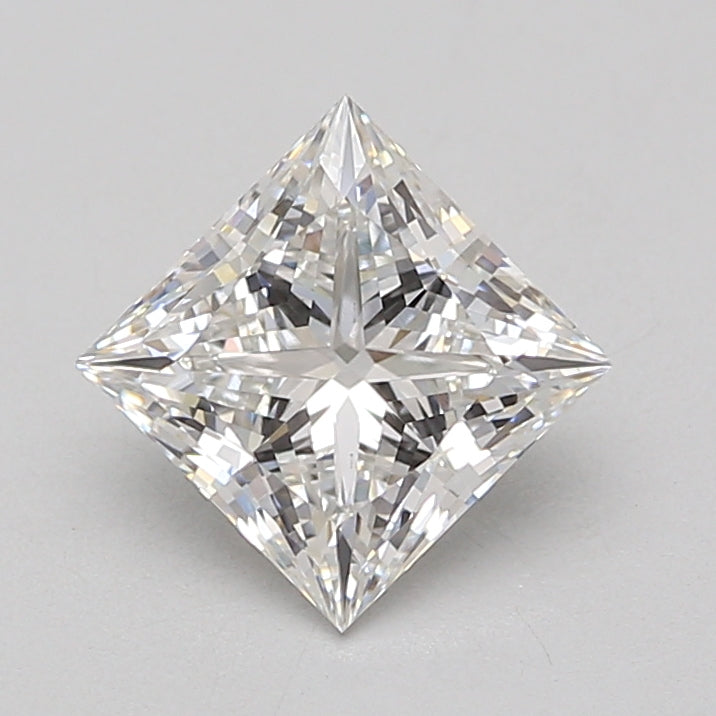
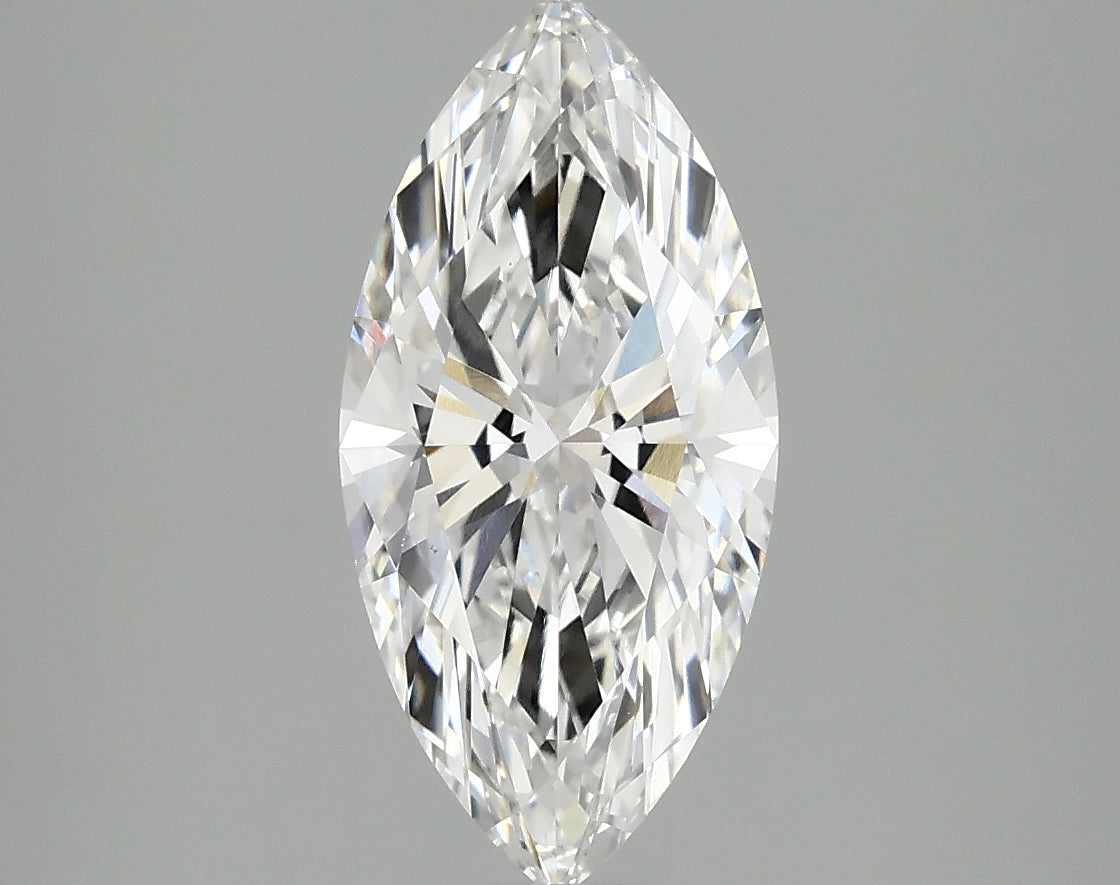
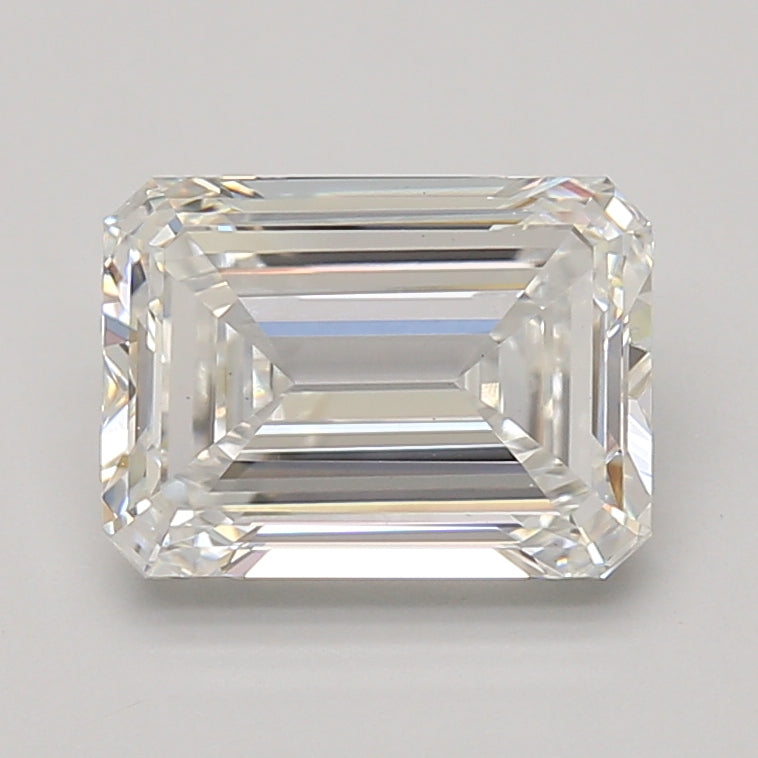
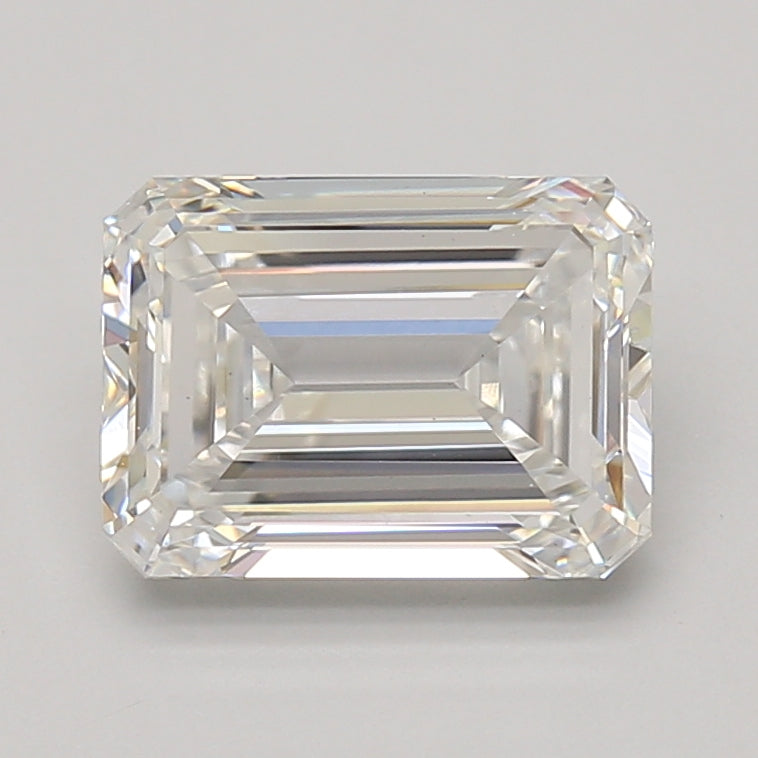
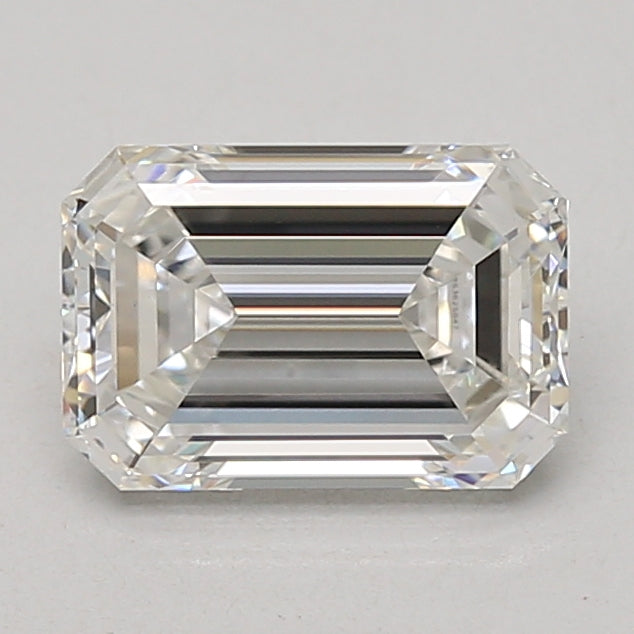
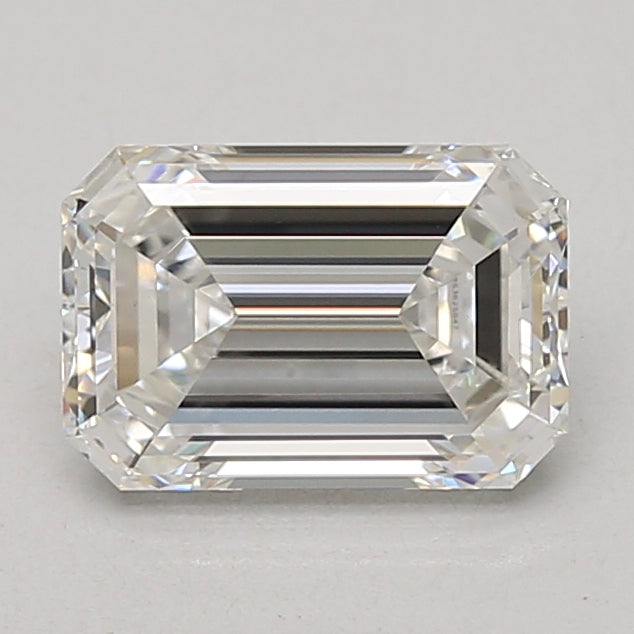
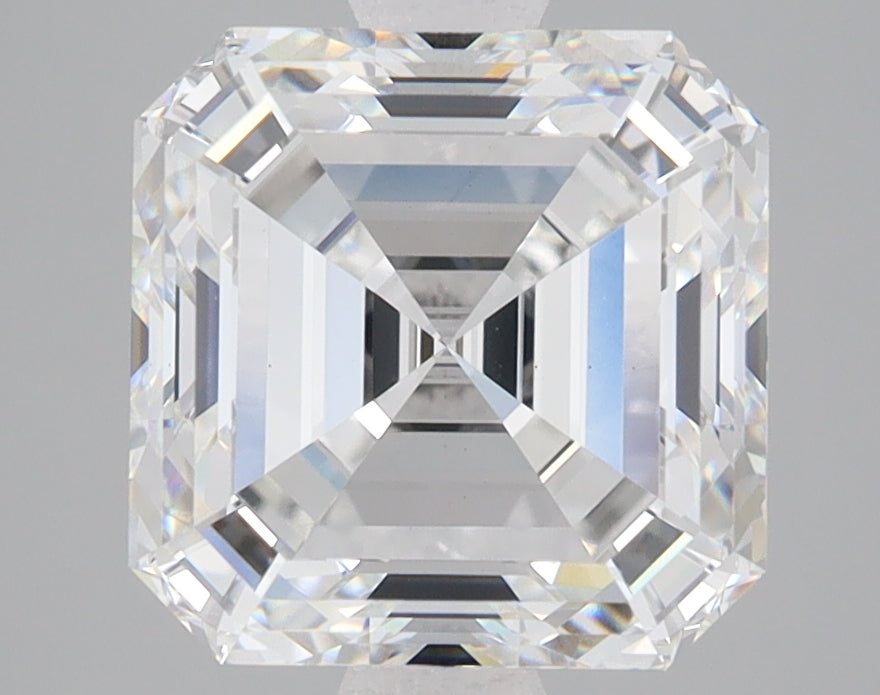
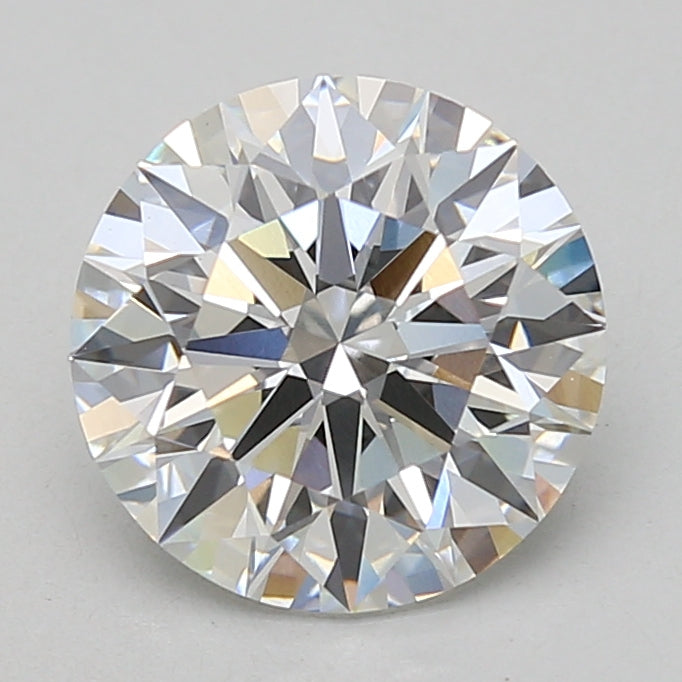
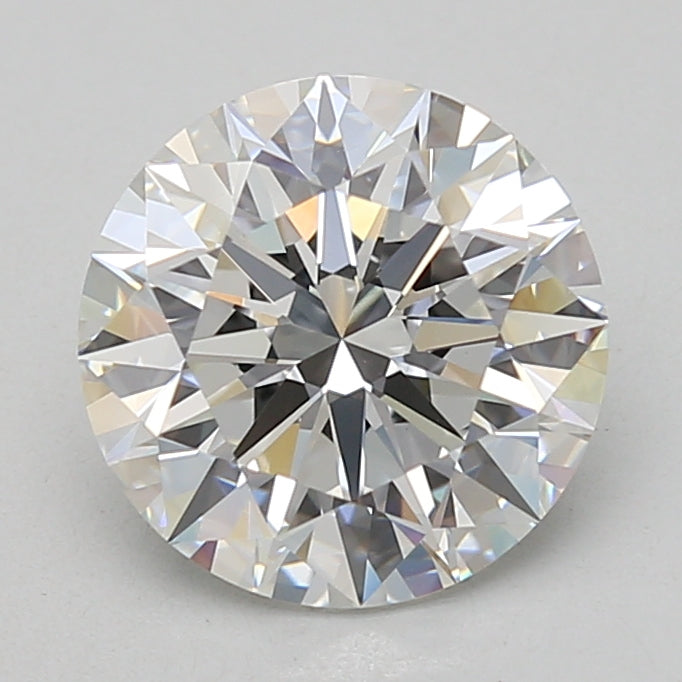
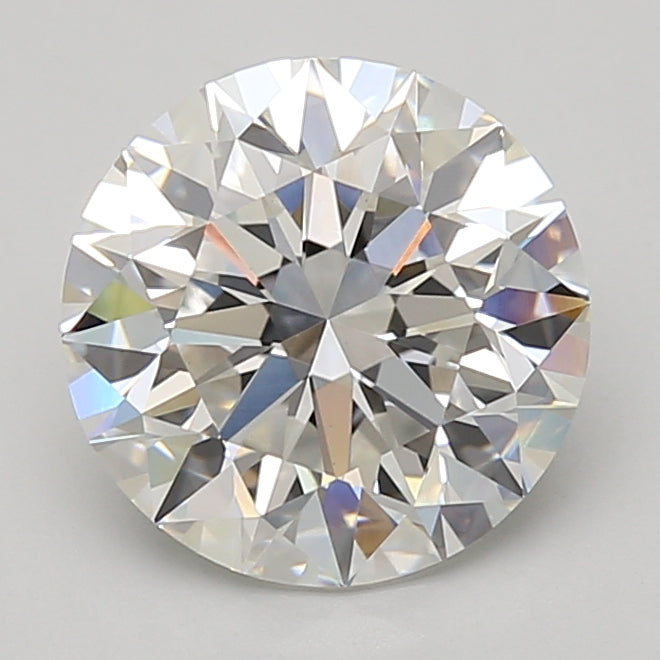
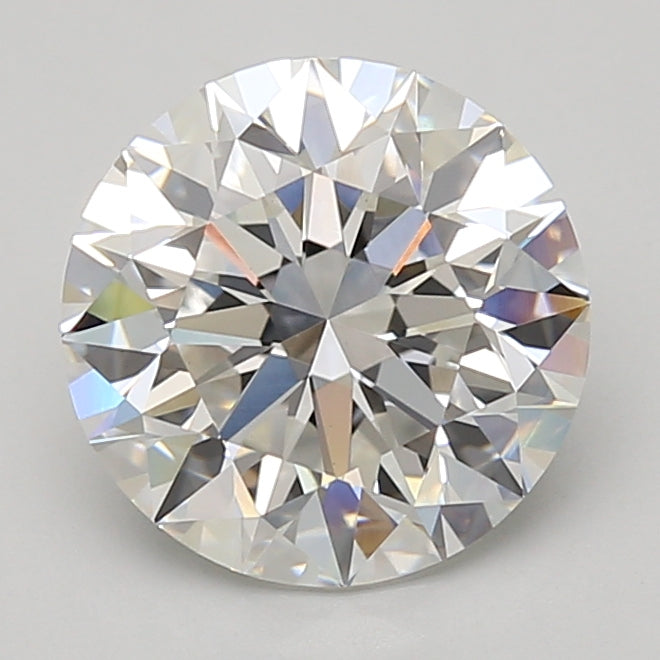
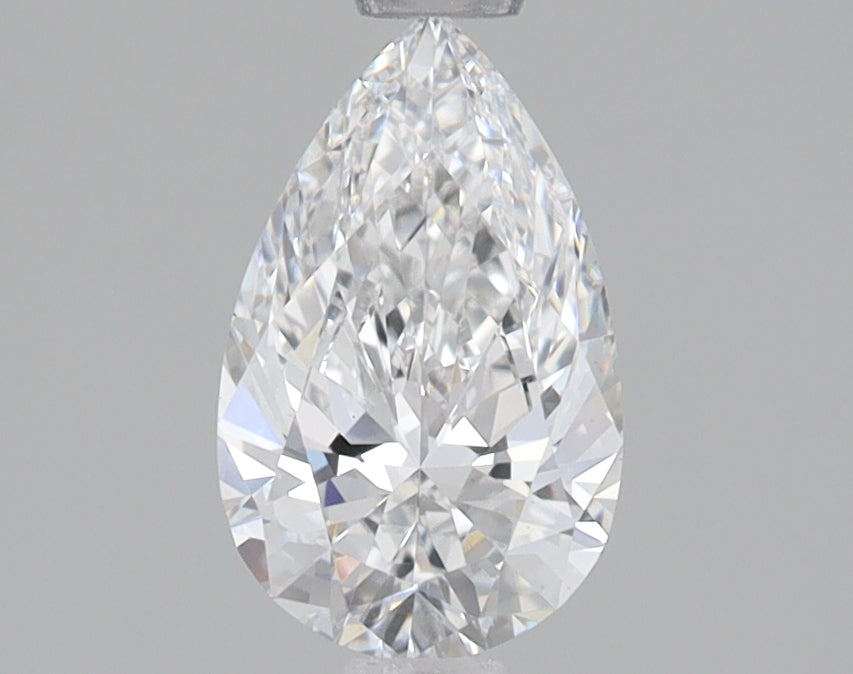
Shape and proportion. IGI and GIA give no overall cut grade for most fancy shapes, so the length-to-width ratio and the polish and symmetry grades are the cut check that matters. The ratio is shown on every card. The ranges that look best: oval 1.30–1.50, pear 1.45–1.75, emerald 1.30–1.50, marquise 1.85–2.10, radiant 1.15–1.50, elongated cushion 1.15–1.35, princess, cushion and square emerald 1.00–1.08. For rounds, a table of 54–60% and depth of 59–63% returns the most light; Ideal cut and hearts and arrows are the two signals the labs add on top. Stones marked Top light performance sit in the narrow band of those ranges, and depth, that returns the most light.
The badges. Every stone here has Excellent or Very Good polish and symmetry, so the badges mark what varies between them. Top light performance marks proportions in the narrow band that returns the most light. Looks bigger means the stone measures larger across the top than most of its weight and shape. Most for your money means its price per carat is in the lowest quarter for its shape and size. Juvetti pick marks the stones we would choose in each shape and size on all three counts; every pick has a 360° video and a grading report, and the ranking is redone every night as stones sell and arrive.
Colour and clarity. D, E and F are all graded colourless; G to J are near-colourless and look white once set. VS1 inclusions need 10× magnification to find and VVS2 inclusions are hard to find even then; VS2 is still clean to the eye. The exception is a step cut (emerald, square emerald) over 2 carats, whose open facets show inclusions more readily, so prefer VVS2 or better there. Read more in our guides to D colour, F colour, F VS2 and VVS1 lab diamonds.
Earrings. Stones with the Pair available badge have a twin in stock, matched in shape, colour and clarity within 0.03 carats and 0.03 in ratio, so the two sit level on the ear. See all matched pairs.
Certification. IGI and GIA reports are both independent and verifiable from the link on each stone's page. IGI is the standard for lab-grown; GIA has issued no D–Z colour grades on new lab-grown reports since October 2025, so the GIA stones here carry older-style reports. Learn more in lab-grown diamond certifications explained and how we grade diamonds.
Something rarer. Explore pink, blue, yellow, champagne and green lab-grown diamonds, vintage and rose cuts, or unusual shapes.
Are lab-grown diamonds real diamonds?
Yes. Lab-grown diamonds are chemically, physically and optically identical to mined diamonds. They are grown in a laboratory rather than mined, which makes them more affordable and more sustainable.
Frequently asked questions
Can I see these diamonds in your London store?
Our London store displays finished jewellery and a smaller selection of gemstones. Our loose diamonds are held at our workshop, so they are not on display in store.