Skip to content

Cart

Your cart is empty

Lab-grown diamonds

Lab-grown diamonds

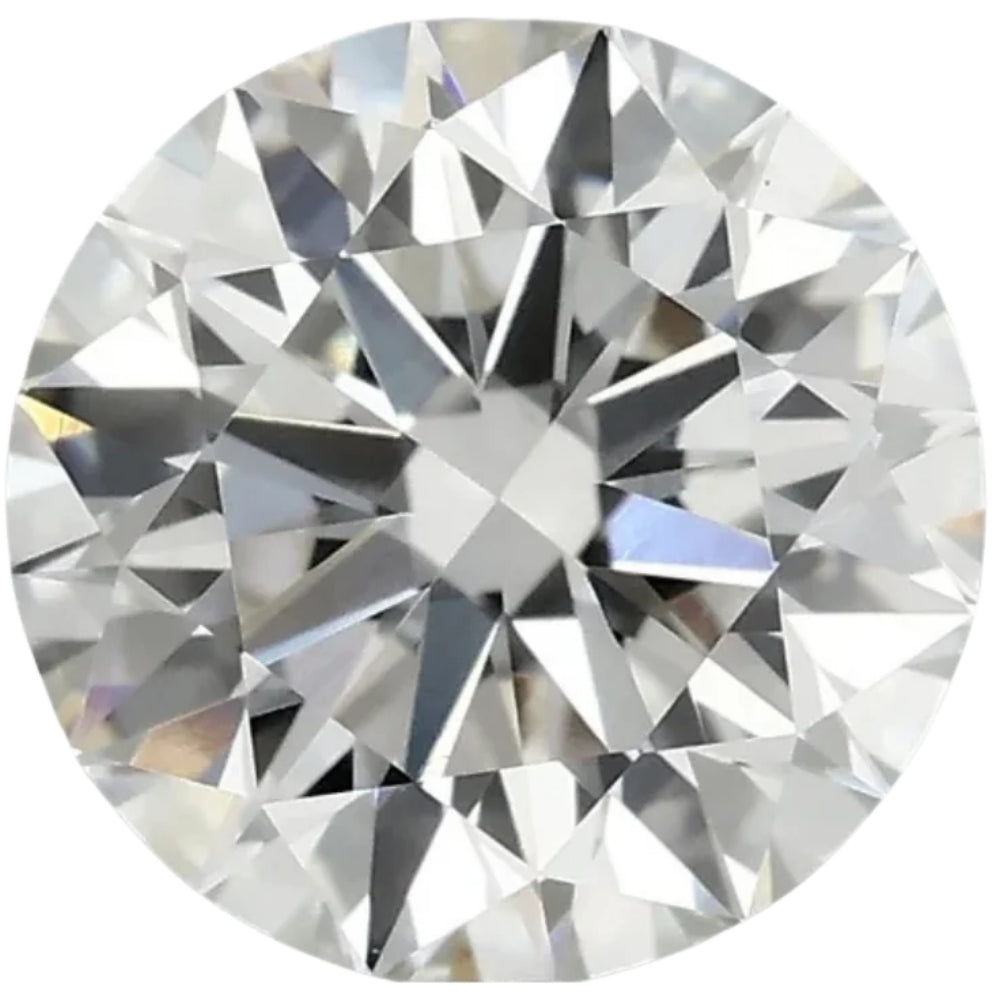
Choose from thousands of loose lab-grown diamonds, created with 100% solar energy, in every shape from round and oval to pear, emerald, cushion, radiant, marquise, princess and heart. White diamonds come in colourless (D to F) and near-colourless (G and H) grades, alongside rare fancy colours, from under half a carat to over 5 carats, every one with a grading report. Start below with what you’re making, or see our picks.

Shop by carat: under 1 carat, 1 carat, 1.5 carat, 2 carat or 3 carat and above.

Almost all our white diamonds are colourless (D to F) or near-colourless (G and H) with no inclusions visible to the eye (VS2 and above), so the choice comes down to size, shape and cut. How to choose ↓

Start with what matters

Choose any of these, then show diamonds.

I'm making
Shape
Colour
Budget for the finished piece

Only show
What the badges mean
  • Juvetti pickOur shortlist for each shape and size: Cut for sparkle plus Looks bigger or Most for your money, with an IGI or GIA report and a 360° video.
  • Cut for sparkleDepth, table and length-to-width ratio in the range that returns the most light for its shape, with Excellent polish and symmetry. Rounds must also be Ideal cut or hearts and arrows.
  • Looks biggerMeasured face-up (length × width) against its carat weight: larger across the top than most stones of the same shape and size.
  • Most for your moneyPrice per carat compared with stones of the same shape and size: this one sits in the cheapest quarter.

Sort by

3362 products

How to choose a loose lab-grown diamond

Every loose diamond here has an independent IGI or GIA grading report and Excellent or Very Good polish and symmetry, and nearly all are D–F colour and VS2 clarity or better. In lab-grown diamonds the very top grades cost no more at the same size, so the decisions worth making are size, shape and proportion. The questions at the top of this page take you to one list, largest first, with our picks marked.

Size. Price follows carat almost exactly, and the price per carat falls as stones get bigger: around £450 per carat under 1 carat, £340 at 2–3 carats, £305 at 7 carats and above. So between two stones at the same price, take the larger one: one colour or clarity grade apart is not visible once set, a tenth of a carat is. In yellow or rose gold the metal warms every grade, so E or F is the sensible ceiling; D is worth having in white gold or platinum over 2 carats.

Shape and proportion. IGI and GIA give no overall cut grade for most fancy shapes, so the length-to-width ratio and the polish and symmetry grades are the cut check that matters. The ratio is shown on every card. The ranges that look best: oval 1.30–1.50, pear 1.45–1.75, emerald 1.30–1.50, marquise 1.85–2.10, radiant 1.15–1.50, elongated cushion 1.15–1.35, princess, cushion and square emerald 1.00–1.08. For rounds, a table of 54–60% and depth of 59–63% returns the most light; Ideal cut and hearts and arrows are the two signals the labs add on top. Stones marked Top light performance sit in the narrow band of those ranges, and depth, that returns the most light.

The badges. Every stone here has Excellent or Very Good polish and symmetry, so the badges mark what varies between them. Top light performance marks proportions in the narrow band that returns the most light. Looks bigger means the stone measures larger across the top than most of its weight and shape. Most for your money means its price per carat is in the lowest quarter for its shape and size. Juvetti pick marks the stones we would choose in each shape and size on all three counts; every pick has a 360° video and a grading report, and the ranking is redone every night as stones sell and arrive.

Colour and clarity. D, E and F are all graded colourless; G to J are near-colourless and look white once set. VS1 inclusions need 10× magnification to find and VVS2 inclusions are hard to find even then; VS2 is still clean to the eye. The exception is a step cut (emerald, square emerald) over 2 carats, whose open facets show inclusions more readily, so prefer VVS2 or better there. Read more in our guides to D colour, F colour, F VS2 and VVS1 lab diamonds.

Earrings. Stones with the Pair available badge have a twin in stock, matched in shape, colour and clarity within 0.03 carats and 0.03 in ratio, so the two sit level on the ear. See all matched pairs.

Certification. IGI and GIA reports are both independent and verifiable from the link on each stone's page. IGI is the standard for lab-grown; GIA has issued no D–Z colour grades on new lab-grown reports since October 2025, so the GIA stones here carry older-style reports. Learn more in lab-grown diamond certifications explained and how we grade diamonds.

Something rarer. Explore pink, blue, yellow, champagne and green lab-grown diamonds, vintage and rose cuts, or unusual shapes.

Are lab-grown diamonds real diamonds?

Yes. Lab-grown diamonds are chemically, physically and optically identical to mined diamonds. They are grown in a laboratory rather than mined, which makes them more affordable and more sustainable.

Frequently asked questions

Can I see these diamonds in your London store?

Our London store displays finished jewellery and a smaller selection of gemstones. Our loose diamonds are held at our workshop, so they are not on display in store.

How to choose a lab-grown diamond

In lab-grown diamonds the top colour and clarity grades cost little more, so the choices that change how your diamond looks are size, shape and cut. Open a section for the detail.

Size

Between two stones at the same price, take the larger one: a colour or clarity grade either way can’t be seen once set; a tenth of a carat can. Each stone’s page shows its size in millimetres and on a hand.

Shape and cut

Most fancy shapes get no overall cut grade from IGI or GIA, so look at the length-to-width ratio (on every card) and at polish and symmetry. Ratios that look best: oval 1.30–1.50, pear 1.45–1.75, emerald 1.30–1.50, marquise 1.85–2.10, radiant 1.15–1.50, elongated cushion 1.15–1.35, and princess, cushion and square emerald 1.00–1.08.

For rounds, a table of 54–60% and a depth of 59–63% return the most light; Ideal cut and hearts and arrows are the labs’ marks of a top cut. Stones marked Cut for sparkle have proportions in the best range for their shape.

Colour

D, E and F are graded colourless; G and H are near-colourless and look white once set. Yellow and rose gold warm any diamond, so F or G is plenty there. In white gold or platinum, and in stones over 2 carats, D to F shows the difference most. Pear, marquise and heart shapes can show a hint of colour at their points, so D to G suits them.

Clarity

Almost all our white diamonds are VS2 or better, grades that look clean to the eye in round, oval, pear, cushion, radiant, princess, marquise and heart cuts. Emerald and Asscher cuts have long, open facets that show more of the inside: most of ours are VS1 or better, and every stone has a 360° video on its page, so you can see how clean it looks. VVS and IF stones are cleaner still under a loupe but look the same to the eye.

Read more: D colour, F colour, F VS2 and VVS1 lab diamonds.

Earrings

Choose Earrings in the chooser above to see matched pairs only. Each stone has a twin in stock in the same shape, colour and clarity, within 0.03 carats and 0.03 in ratio, so the two sit level on the ear.

Certificates

Every stone comes with a grading report from IGI, GIA or GCAL, which you can check from the link on the stone’s page. IGI is the standard for lab-grown diamonds. Since October 2025 GIA no longer gives D to Z colour grades on new lab-grown reports, so the GIA stones here carry earlier-style reports. More in lab-grown diamond certifications explained and how we grade diamonds.

Are lab-grown diamonds real diamonds?

Yes. They are chemically, physically and optically the same as mined diamonds, grown above ground instead of mined, which makes them more affordable and more sustainable.

Can I see these diamonds in your London store?

Our London store displays finished jewellery and a smaller selection of gemstones. Our loose diamonds are held at our workshop, so they are not on display in store.