The Future of Lab Grown Diamond Rings: Trends, Technology in 2026
The lab-grown diamond revolution is reshaping the jewellery industry at an unprecedented pace. The global lab-grown diamond market, valued at $23.9 billion in 2022, is projected to reach $39.3 billion by 2028, expanding at a robust 8.64% compound annual growth rate that signals a fundamental industry transformation.
Nowadays, lab-grown diamonds are no longer just an alternative; they're actively reshaping the future of engagement rings and fine jewellery. As we approach 2026, technological breakthroughs, shifting consumer values, and evolving market dynamics are converging to create a new era in diamond jewellery.
People nowadays are asking fundamentally different questions: Does our ring reflect our values? Can we afford our dream home AND our dream ring? Does luxury require environmental compromise? As we approach 2026, these questions are reshaping an industry built on century-old traditions, creating opportunities for people to redefine what their engagement ring truly represents and learn how to choose the perfect lab grown diamond ring that aligns with their values.
Why the Future of Diamonds Is Being Redefined
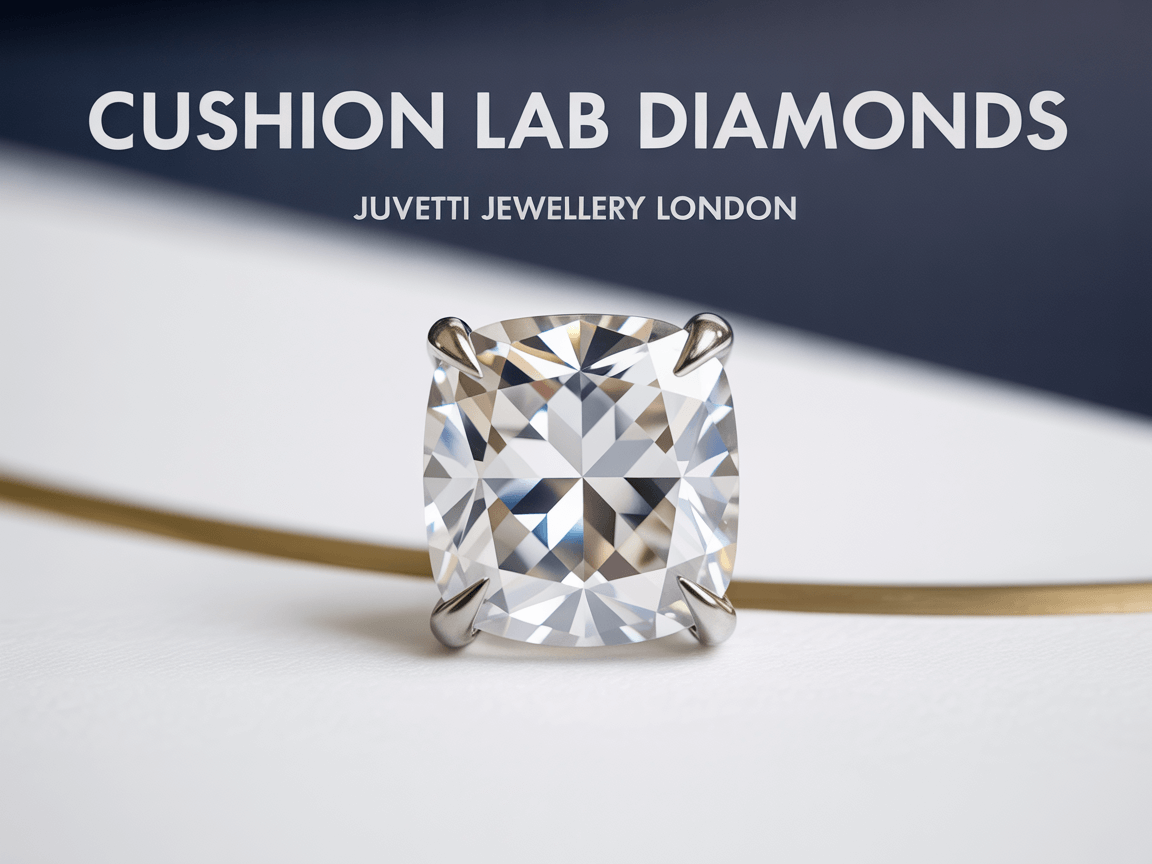
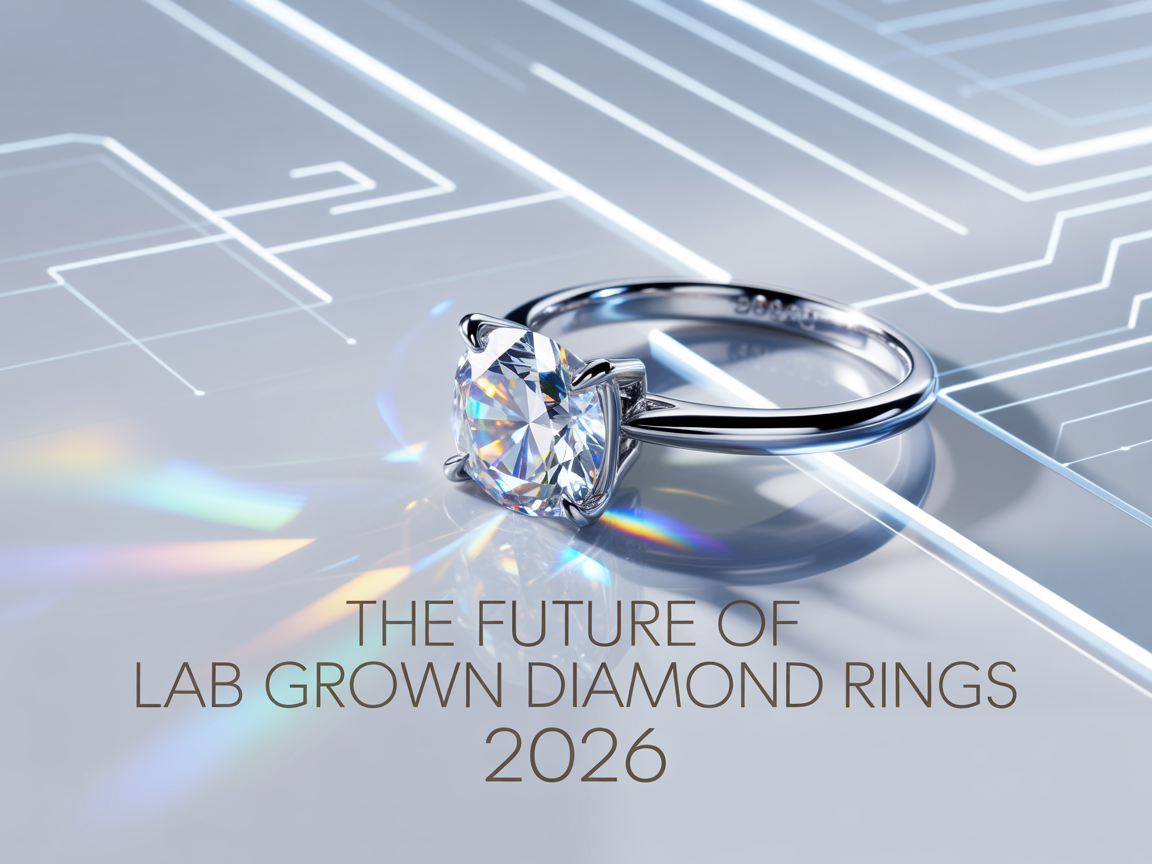
The diamond industry is experiencing its most significant transformation in over a century, with lab grown diamonds redefining jewellery traditions through innovative laboratory creation methods that deliver identical chemical, physical, and optical properties without environmental compromise.
Shifting Values of Modern Couples
Today's couples are redefining what makes an engagement ring meaningful. The emphasis has shifted from rarity derived through mining to value-based purchasing decisions. Modern consumers prioritise transparency, sustainability, and ethical sourcing above traditional notions of exclusivity. This value shift particularly resonates with millennials and Gen Z couples, who view their engagement ring choice as a reflection of their shared principles rather than a symbol of financial investment.
Research shows that 73% of millennials are willing to pay more for products from sustainable companies. When it comes to engagement rings, often the most expensive jewellery purchase for couples, this preference creates strong market growth for lab-grown diamonds. To discover the full benefits of lab grown diamond rings beyond sustainability, explore how they offer exceptional value and quality.
The Rise of Ethical & Sustainable Jewellery
The ethical jewellery movement has gained unprecedented traction, with lab grown diamonds positioned at its forefront. Unlike traditional diamond mining, which often involves significant environmental disruption and complex supply chain challenges, laboratory diamond creation offers complete transparency and traceability.
Lab grown diamonds require approximately 250 million joules per carat, compared to traditional mining's 538.5 million joules, representing a 54% reduction in energy consumption. In our case, we use renewable energy sources in production, further reducing the carbon footprint. Additionally, the elimination of mining operations means no land displacement, groundwater contamination, or ecosystem disruption. For environmentally conscious consumers, these factors make lab grown diamonds the clear choice for sustainable luxury jewellery.
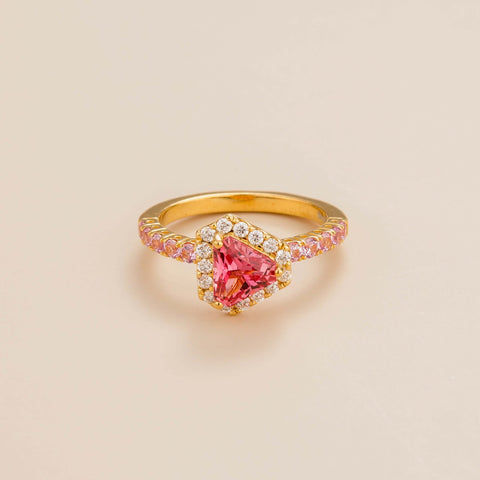
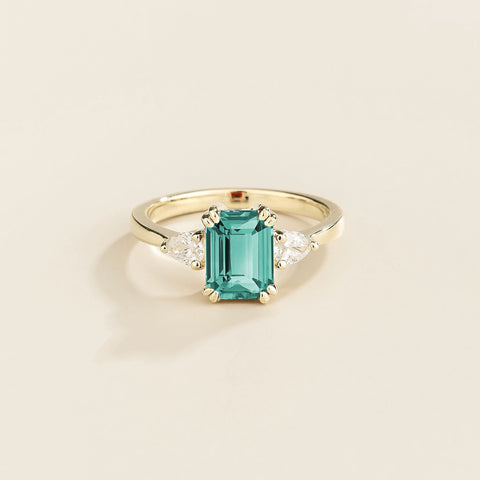
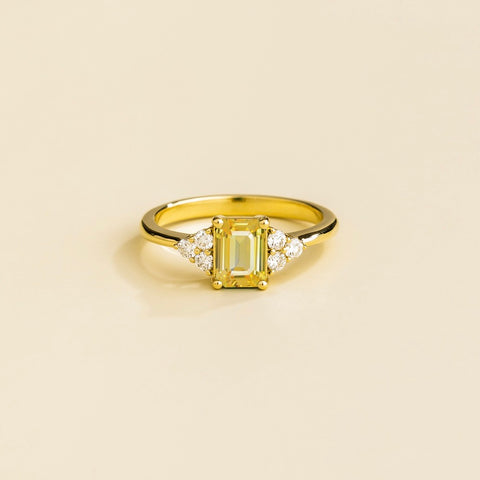
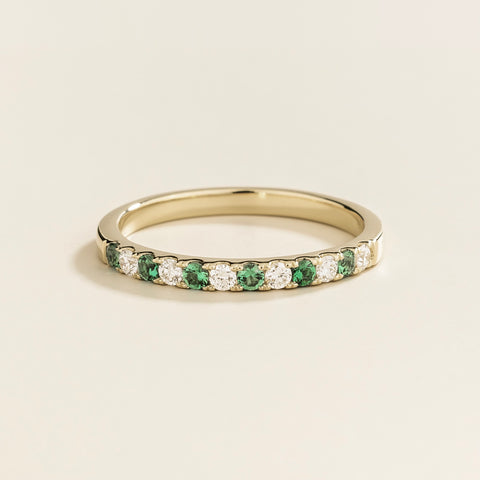
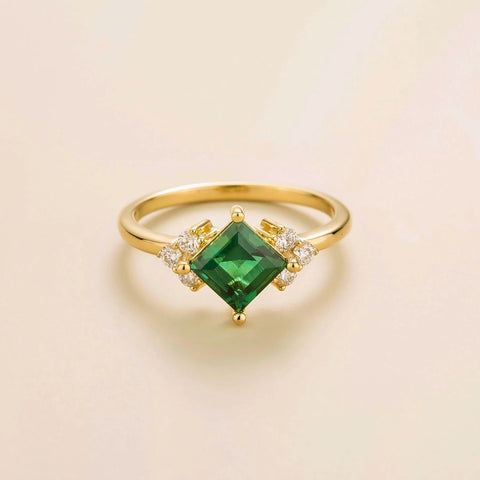
Brands like Juvetti have adopted this sustainable approach, specialising in fine jewellery made exclusively with lab-grown diamonds, rubies, sapphires, and emeralds that maintain the identical chemical structures and optical properties of their natural counterparts.
Key Trends Shaping Lab Grown Diamond Rings in 2026
Increased Global Market Share of Lab Diamonds
The lab grown diamond market is experiencing explosive growth, with projections indicating continued acceleration through 2026. This growth trajectory reflects not just shifts in consumer preferences but also improved production capabilities and supply chain optimisation.
Price accessibility remains a primary driver, with lab grown diamonds typically costing 60-80% less than equivalent natural diamonds. The price gap also widens as carat size increases, making larger stones far more attainable in lab-grown than mined alternatives. This pricing advantage allows couples to either save significantly or upgrade to larger, higher-quality stones within their budget. The economic benefits extend beyond initial purchase, as reduced costs enable more elaborate settings and custom design options. UK-based brands like Juvetti exemplify this value proposition, offering high-quality lab-grown diamond rings with recycled gold and silver settings that provide exceptional beauty without compromising on ethical standards.
Celebrity Influence and Social Media Adoption
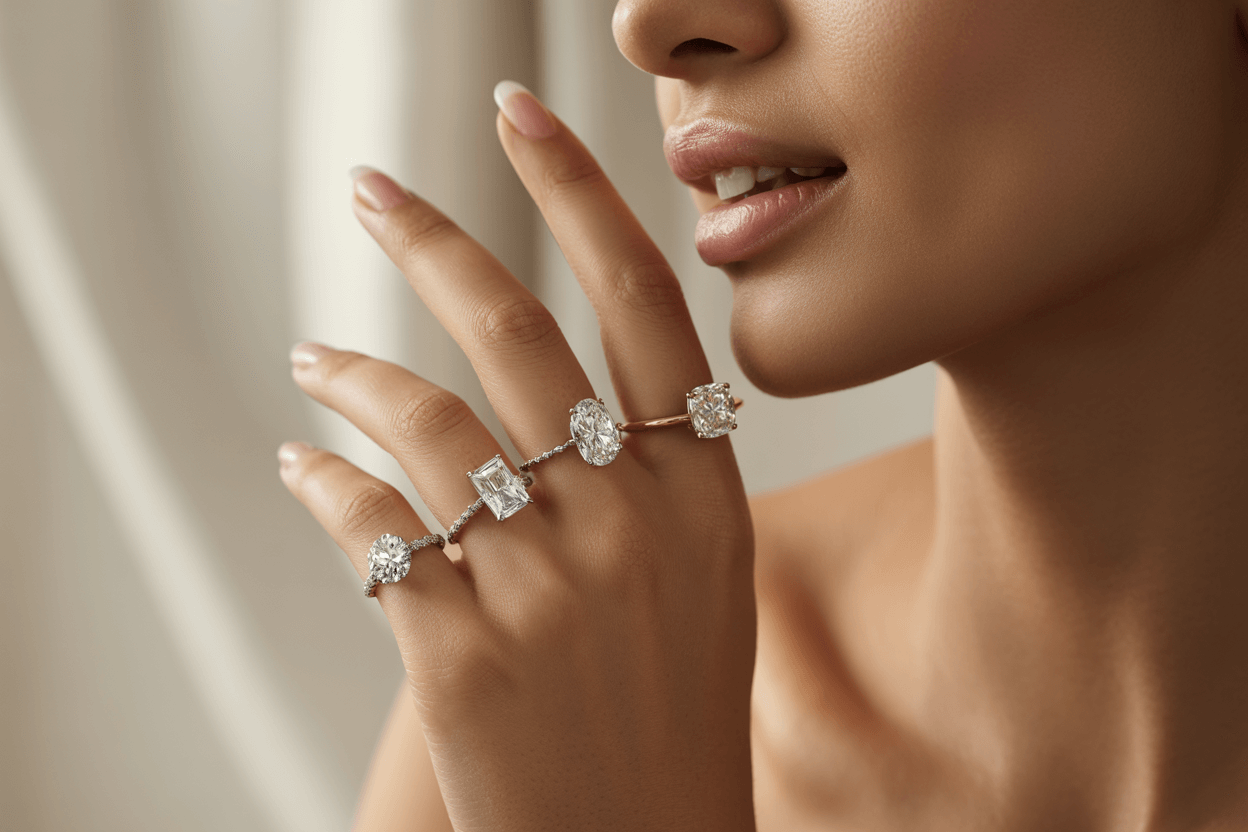
High-profile endorsements and social media visibility continue to normalise and elevate lab grown diamonds in popular culture. Celebrity couples choosing lab grown diamonds for their engagements create aspirational visibility that influences consumer perceptions. Social media platforms showcase stunning lab grown diamond jewellery, demonstrating their visual indistinguishability from natural diamonds while highlighting their ethical advantages.
Instagram and TikTok particularly drive awareness among younger demographics, with jewellery influencers and sustainable lifestyle advocates regularly featuring lab grown diamond content. This organic social proof helps overcome lingering misconceptions about lab grown diamonds while showcasing their beauty and desirability.
Affordability Driving Millennial & Gen Z Demand
Economic pressures facing younger generations make lab grown diamonds increasingly attractive. With student debt, housing costs, and economic uncertainty affecting many young couples, the significant cost savings of lab grown diamonds provide access to quality engagement rings that might otherwise be financially challenging.
The affordability factor doesn't just enable purchases, it enhances them. Couples can allocate savings toward other priorities, such as home purchases, travel, or wedding expenses, while still acquiring beautiful, high-quality diamond jewellery. This practical benefit aligns with generational values that prioritise experiences and financial flexibility over traditional luxury expenditures.
The Technology Behind Tomorrow's Diamonds
CVD vs HPHT: How Creation Methods Are Evolving
Two primary technologies dominate lab grown diamond production: Chemical Vapour Deposition (CVD) and High Pressure High Temperature (HPHT). Both methods recreate natural diamond formation conditions in controlled laboratory environments, producing diamonds that are chemically, physically, and optically identical to their natural counterparts.
CVD technology involves placing a diamond seed in a chamber filled with carbon-rich gas, typically methane. When heated to approximately 800°C, the gas breaks down, depositing carbon atoms onto the seed in crystal formation. This process allows precise control over diamond characteristics and can produce exceptionally pure stones with minimal inclusions.
HPHT technology replicates the high-pressure, high-temperature conditions deep within the Earth where natural diamonds form. Carbon material is subjected to pressures exceeding 870,000 pounds per square inch and temperatures around 1,500°C, crystallising into diamond formation around a small diamond seed.
Recent technological advances have improved both methods, enabling larger stone production, enhanced clarity grades, and more consistent colour results. These improvements continue narrowing any remaining quality gaps between lab grown and natural diamonds. Companies like Juvetti leverage these technological advances to create lab-grown diamond rings that meet the highest quality standards, ensuring their diamonds exhibit the same brilliance and durability as traditionally mined stones.
Breakthroughs in Diamond Quality & Size
Laboratory diamond technology has achieved remarkable quality improvements, with many lab grown diamonds now receiving the same high grades as premium natural diamonds. Modern production techniques consistently produce stones with VVS clarity grades and D-F colour ratings, often at superior levels to comparably priced natural alternatives.
Size capabilities have expanded dramatically, with laboratories now producing stones exceeding 10 carats while maintaining excellent quality standards. This advancement opens new possibilities for statement pieces and luxury jewellery applications previously limited by natural diamond availability and pricing.
Smart Jewellery & Digital Authentication
Emerging technologies are introducing innovative authentication and verification systems for lab grown diamonds. Blockchain technology enables immutable record-keeping throughout the creation and supply chain process, providing unprecedented transparency for consumers.
Digital certification systems offer enhanced verification capabilities, with some companies implementing QR codes or NFC chips that link to comprehensive diamond information, including creation details, quality specifications, and authenticity verification. These technological integrations appeal to tech-savvy consumers while providing additional security and transparency.
Consumer Demand and Buying Behaviour in 2026
Why Younger Generations Prefer Lab Grown Diamonds
Millennial and Gen Z preferences extend beyond cost considerations to encompass values-based decision-making. These generations prioritise sustainability, ethical sourcing, and transparency, areas where lab grown diamonds excel. Their comfort with technology makes them more receptive to scientifically created products, viewing laboratory production as innovation rather than compromise.
Research indicates that 81% of Gen Z consumers expect companies to demonstrate a commitment to the environment. When choosing engagement rings, this expectation translates into a preference for lab grown diamonds that align with their environmental values while delivering equivalent beauty and quality.
Emotional Value vs Resale Value
Traditional diamond marketing emphasised resale value and investment potential. However, modern consumers increasingly prioritise emotional significance and personal meaning over potential future financial returns. Engagement rings represent love, commitment, and shared values rather than investment vehicles.
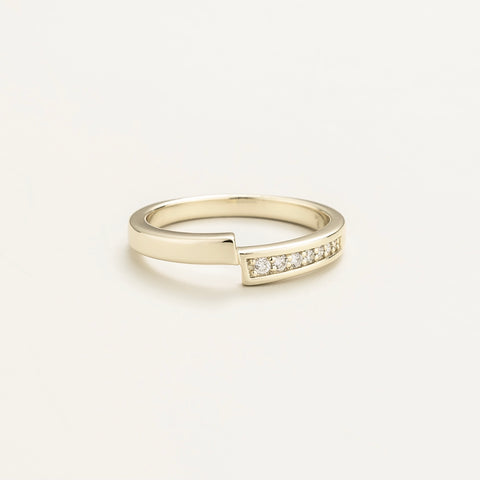
Lab grown diamonds offer an identical emotional impact while enabling couples to focus on design, quality, and personal significance rather than commodity pricing. The reduced cost allows for more elaborate settings, custom designs, or simply financial flexibility for other life priorities.
Online Shopping, Customisation, and Virtual Try-On
Digital shopping experiences continue evolving, with virtual try-on technology, 360-degree viewing capabilities, and augmented reality applications enhancing online jewellery purchasing. These technological tools particularly benefit lab grown diamond retailers, who often operate with direct-to-consumer models that leverage digital platforms.
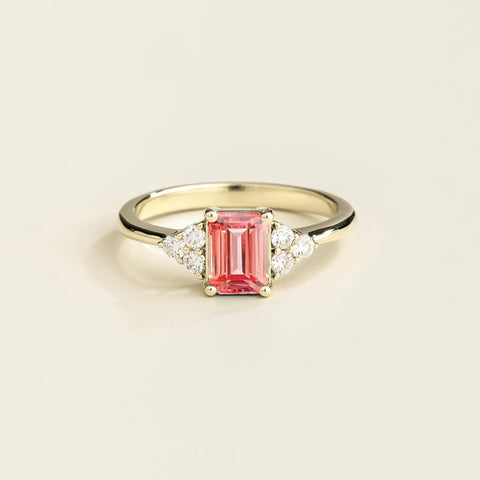
Customisation options have expanded significantly, with many retailers offering bespoke design services, setting modifications, and personalisation features. The lower cost of lab grown diamonds makes custom work more accessible, enabling couples to create truly unique pieces within reasonable budgets. Forward-thinking jewellers like Juvetti have embraced this trend, offering handcrafted lab-grown diamond jewellery that combines sustainable practices with personalised design, allowing couples to create meaningful pieces that reflect their individual style and values.
Future Challenges for Lab Grown Diamond Rings
Price Stabilisation and Market Perceptions
As lab-grown diamond production scales and technology improves, prices continue to decline. While beneficial for consumers, this trend raises questions about long-term value stability and market positioning. Industry experts predict eventual price stabilisation as production costs reach optimal efficiency levels.
Market perception challenges persist, with some consumers still associating lower prices with inferior quality or desirability. Education and awareness campaigns continue addressing these misconceptions while highlighting the identical physical properties and enhanced ethical profile of lab grown diamonds.
Competition with Natural Diamonds
Natural diamond marketing continues to emphasise rarity, tradition, and emotional significance. The competition between natural and lab grown diamonds drives innovation and consumer education on both sides, ultimately benefiting consumers through improved options and competitive pricing.
Some retailers offer both natural and lab grown options, allowing consumers to make informed choices based on personal preferences and values. This approach acknowledges that different consumers prioritize different factors in their jewellery purchases.
Ensuring Trust Through Certification and Transparency
As the lab grown diamond market expands, maintaining certification standards and transparency becomes increasingly important. Reputable grading institutes like IGI certify lab grown diamonds using the same rigorous standards applied to natural stones, providing consumer confidence and market standardisation.
Transparent disclosure of creation methods and origin remains essential for maintaining consumer trust. Ethical retailers clearly identify lab grown diamonds and provide comprehensive information about their creation process, quality characteristics, and certification details. Brands like Juvetti exemplify this transparency by fully disclosing their lab-grown diamond creation methods and providing detailed information about their sustainable production processes, enabling consumers to make informed decisions that align with their values.
What This Means for Buyers in 2026
Should You Buy a Lab Grown Diamond Now?
For couples prioritising value, sustainability, and quality, lab grown diamonds represent an excellent choice in 2026. Current technology produces exceptional stones at accessible prices, while ongoing innovations continue improving quality and options.
The decision ultimately depends on personal values and priorities. Couples valuing environmental responsibility, transparency, and financial flexibility often find lab grown diamonds perfectly align with their needs. To help with your decision, review the top reasons to choose a lab grown diamond engagement ring that go beyond price and sustainability.
How to Future-Proof Your Engagement Ring Choice
Future-proofing an engagement ring choice involves selecting timeless designs, quality craftsmanship, and stones that maintain their beauty and significance over time. Lab grown diamonds offer identical durability, brilliance, and longevity to natural diamonds, ensuring lasting beauty regardless of market trends.
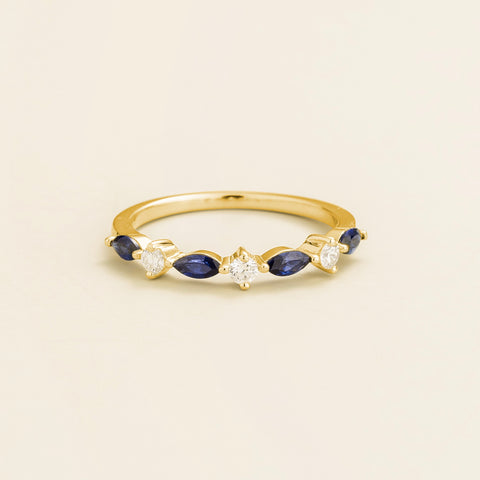
Choosing reputable retailers with comprehensive certification, warranties, and customer service provides additional security for long-term satisfaction. Quality settings and professional craftsmanship remain essential, regardless of the diamond's origin.
The Long-Term Value of Ethical & Sustainable jewellery
The actual value of ethical and sustainable jewellery extends beyond monetary considerations to encompass personal satisfaction, environmental responsibility, and alignment with values. Lab grown diamonds enable couples to enjoy luxury jewellery while supporting sustainable practices and ethical business models.
As environmental consciousness continues growing, the value proposition of sustainable luxury goods strengthens. Couples choosing lab grown diamonds position themselves ahead of this trend while enjoying the immediate benefits of quality, beauty, and affordability.
Frequently Asked Questions
Will lab grown diamonds hold their value in the future?
Lab grown diamonds typically retain value similar to other luxury goods rather than appreciating like rare commodities. Their value lies primarily in personal enjoyment and symbolic significance rather than investment potential.
Are lab grown diamonds really eco-friendly?
Yes. Lab-grown diamonds have a significantly lower environmental impact than mining operations, using less energy and eliminating ecosystem disruption, land displacement, and groundwater contamination associated with traditional mining. In our case, we use renewable energy sources in production, further reducing the carbon footprint.
How are lab grown diamond technologies improving in 2026?
Advances in CVD and HPHT methods enable larger stone production, better clarity grades, and more consistent colour results. Digital authentication and blockchain verification are also enhancing transparency and security.
Do millennials and Gen Z really prefer lab grown over natural?
Research indicates a strong preference among younger consumers for sustainable, ethical, and transparent products. Lab grown diamonds align with these values while offering superior affordability and equivalent quality.
Can lab grown diamonds replace natural diamonds entirely?
While lab grown diamonds continue gaining market share, complete replacement is unlikely. Different consumers prioritise different factors, and both options will likely coexist to serve diverse preferences and values.
Are lab grown diamonds considered "real" diamonds by jewellers?
Yes, lab grown diamonds are chemically, physically, and optically identical to natural diamonds. Major grading institutes, such as IGI, certify them using identical standards, confirming their authenticity as genuine diamonds.
Final Thoughts
The future of lab grown diamond rings represents more than technological advancement, it embodies a fundamental shift toward conscious luxury and values-based consumption. As we move through 2026 and beyond, lab grown diamonds are establishing themselves not as alternatives but as the preferred choice for environmentally conscious, value-oriented consumers who refuse to compromise on quality or beauty.
For couples embarking on their engagement journey, lab-grown diamonds offer an opportunity to celebrate love while honouring their responsibility to future generations. The convergence of advanced technology, ethical production, and exceptional value creates a compelling proposition that aligns personal milestones with global sustainability goals. Companies like Juvetti are at the forefront of this movement, demonstrating how luxury jewellery can be both beautiful and responsible, offering couples the perfect foundation for their forever commitment.
Those choosing lab grown diamonds in 2026 are not just selecting beautiful jewellery, they are choosing a future where luxury and responsibility coexist, where innovation enhances rather than compromises quality, and where love stories begin with choices that honour both partnership and planet. This represents the true future of diamonds: brilliant, sustainable, and perfectly aligned with the values of modern couples ready to build their lives together.