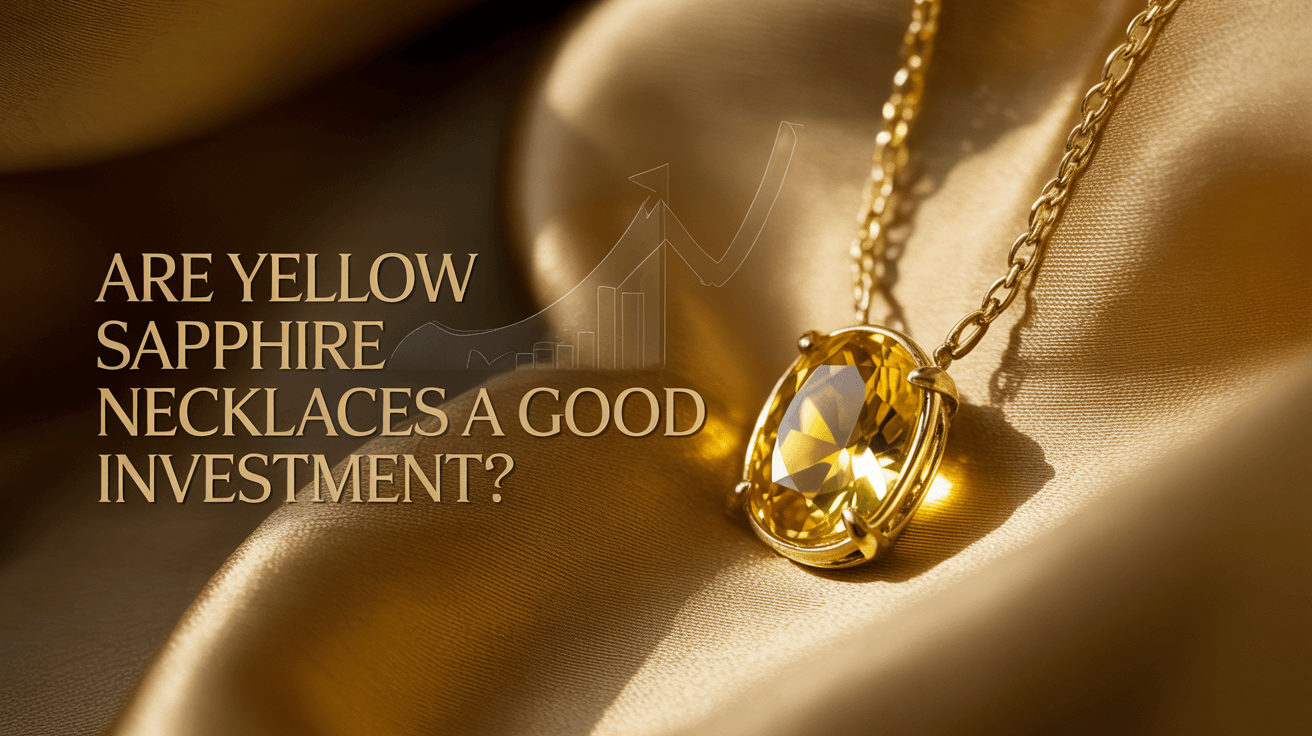
Are Yellow Sapphire Necklaces a Good Investment?
The word "investment" has become overused in luxury jewellery marketing. Every gemstone is positioned as a future fortune, every purchase framed as a savvy financial move. But let's be direct: if you're buying a yellow sapphire necklace expecting it to outperform the stock market or sell for double in five years, you're approaching this incorrectly.
If you're asking whether a yellow sapphire necklace retains value, offers decades of wearability, carries heirloom potential, and provides lasting beauty without requiring replacement, then yes, absolutely. If you're asking whether it's a liquid financial asset you can flip for profit, then no, and any jeweller claiming otherwise isn't being honest with you.
This article will give you the transparent, grounded truth about yellow sapphire necklaces as long-term purchases: where they hold value, where they don't, and how to make an informed decision that serves your actual goals.

What "Investment" Really Means in Fine Jewellery
Jewellery vs Traditional Financial Investments
Let's establish clarity from the outset: fine jewellery and traditional financial investments are fundamentally different asset classes.
Financial investments (stocks, bonds, property, commodities) are purchased primarily for monetary return. Their value is measured in resale potential, liquidity, and appreciation rates. You buy them to eventually convert back into cash - ideally, more cash than you started with.
Fine jewellery is purchased primarily for personal use, aesthetic pleasure, and emotional significance. Its value is measured in decades of wear, beauty that doesn't fade, and meaning that compounds over time. You buy it to own, to wear, to pass down - not to liquidate at a profit.
Value Retention vs Appreciation
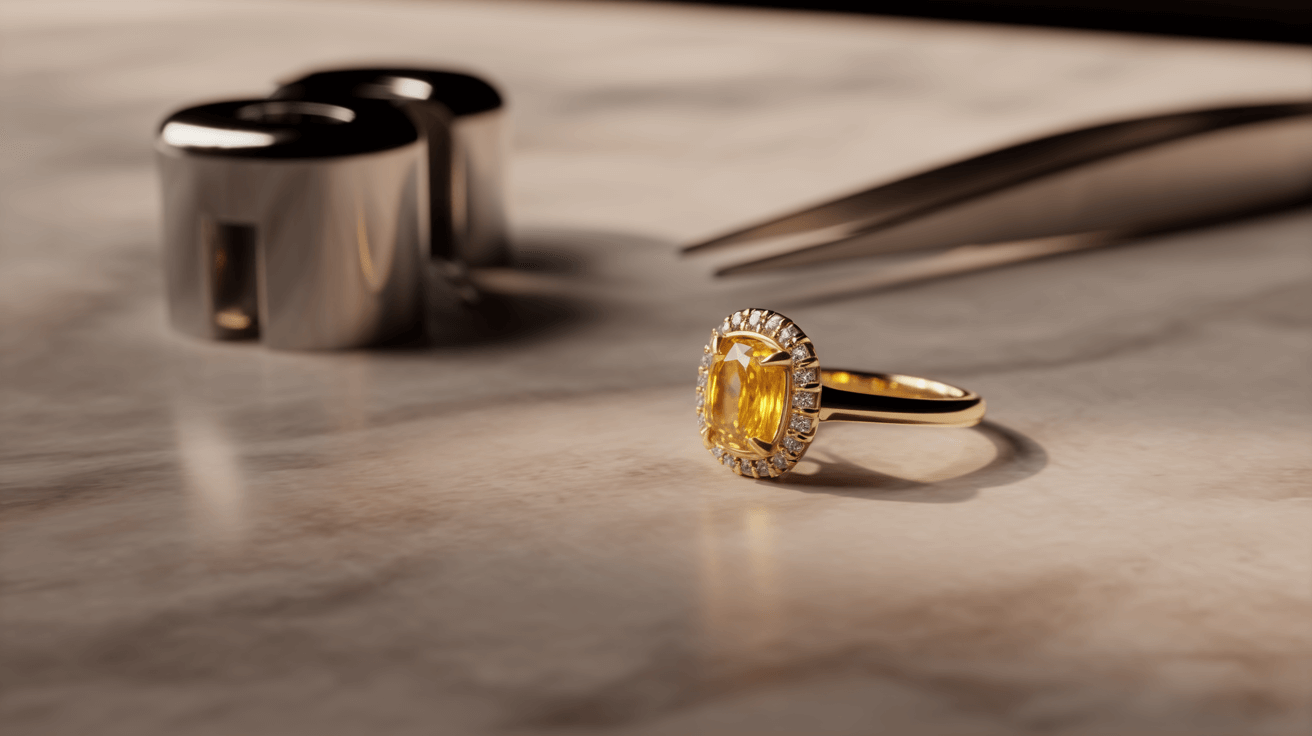
Value retention means a piece holds its intrinsic worth over time - it doesn't degrade, become obsolete, or lose relevance. A well-made yellow sapphire necklace retains value because the gemstone remains beautiful, the craftsmanship endures, and the design doesn't age poorly.
Appreciation means the piece increases in monetary value beyond inflation. This is rare in jewellery outside of exceptional circumstances: historically significant pieces, extremely rare gemstones, or items with celebrity provenance.
Most fine jewellery, including yellow sapphire necklaces, retains value but does not appreciate dramatically. And that's perfectly acceptable if you understand what you're buying.
Emotional, Aesthetic, and Functional Value Layers
The "return" on a yellow sapphire necklace isn't purely financial - it's multidimensional.
Emotional value: The piece marks a milestone, represents a relationship, or connects you to a meaningful moment. This value compounds over time, becoming richer with every year worn.
Aesthetic value: You derive daily pleasure from its beauty. Unlike a stock certificate, you see it, wear it, and enjoy it. The "return" is immediate and ongoing.
Functional value: It serves a purpose - completing outfits, boosting confidence, and expressing identity. Over the decades, the cost-per-wear has become negligible.
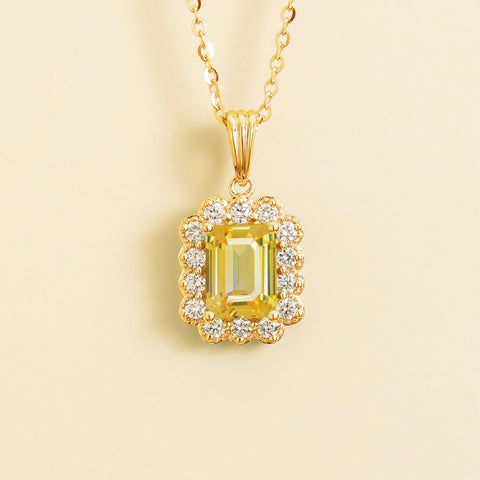
How Yellow Sapphire Necklace Value Is Determined (High-Level)
Why Gemstone Type Matters More Than Trends
Not all gemstones hold value equally. Some are inherently fragile, prone to damage, or subject to rapid shifts in fashion. Others, like yellow sapphire, possess qualities that ensure longevity regardless of trend cycles.
Yellow sapphire's value stability stems from three factors: rarity (natural yellow sapphires of fine quality are genuinely uncommon), durability (sapphire ranks 9 on the Mohs scale, second only to diamond), and timeless aesthetic (warm yellow hues have adorned jewellery for centuries and show no signs of fading from favour).
The Role of Rarity, Durability, and Demand
Rarity creates baseline value. Natural yellow sapphires, particularly those with vivid, unheated colour, are scarce. Scarcity doesn't guarantee appreciation, but it does provide a floor of intrinsic worth.
Durability ensures the piece survives generations without deterioration. A gemstone that scratches, chips, or dulls over time loses both beauty and value. Yellow sapphire's exceptional hardness means it remains pristine even with daily wear.
Demand reflects cultural and aesthetic desirability. Yellow sapphire has sustained demand across decades - not explosive, speculative demand (which creates bubbles), but steady, enduring appreciation. This stability is preferable for long-term ownership.
Craftsmanship and Design Longevity
A stunning gemstone in a poorly made setting is a tragedy waiting to happen. Value retention depends as much on craftsmanship as on the stone itself.
Quality metalwork (solid gold, platinum, expertly soldered joints) ensures structural integrity over decades. Flimsy settings fail, stones are lost, and the piece becomes unwearable.
Design timelessness matters enormously. Overly trendy designs - geometric extremes, novelty shapes, hyper-specific aesthetics - date quickly. Classic designs (simple pendants, elegant chains, refined settings) remain relevant across generations.
When assessing a yellow sapphire necklace's long-term value, examine the setting as critically as the stone. Both must endure.
For detailed guidance on selecting the finest quality stone and setting, our guide on how to choose a yellow sapphire necklace covers every consideration.
Certification, Provenance & Trust
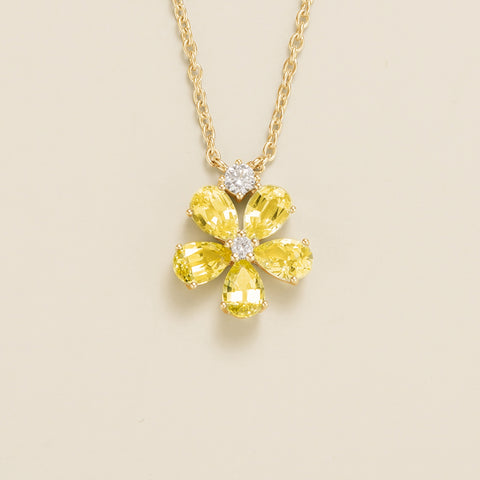
Gemstone certification from reputable laboratories (GIA, AGL, IGS) provides independent verification of quality, treatment disclosure, and origin. Certified stones retain value better because buyers trust documented authenticity.
Provenance - the documented history of where a piece came from - adds value, particularly for natural gemstones. Ethical sourcing, transparent supply chains, and clear origin stories enhance both resale potential and personal satisfaction.
Jewellery purchased from reputable, established sources holds value better than pieces of uncertain origin. Trust is a tangible asset.
Yellow Sapphire vs Other Jewellery Assets (Contextual Comparison)
Yellow Sapphire vs Diamond Necklaces (Value Philosophy, Not Price)
Diamond necklaces carry the advantage of universal recognition and an established resale infrastructure. On the other hand, yellow sapphire necklaces provide distinctive warmth and individuality whilst offering comparable durability (9 vs 10 on the Mohs scale - both exceptional).
Diamonds excel when you prioritise classic neutrality, maximum resale recognition, and tradition. Yellow sapphires excel when you value distinctive warmth, individuality, and personal meaning. Both are exceptional long-term purchases when chosen with realistic expectations and genuine appreciation for what each gemstone offers.
For a detailed visual and emotional comparison between the two, read our full guide on yellow sapphire necklace vs diamond necklace.
The best choice depends entirely on which aesthetic and symbolic qualities resonate with you personally. Both will serve you beautifully for decades.
Yellow Sapphire vs Gold-Only Jewellery
Gold jewellery retains value because gold is a commodity with transparent market pricing. A gold necklace can always be melted down and sold at spot price (minus refining costs).
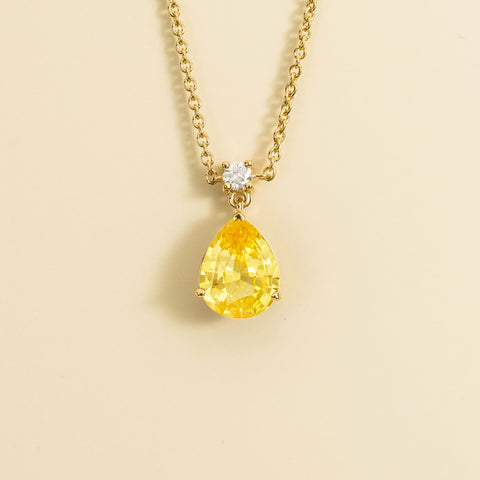
Yellow sapphire necklaces combine the intrinsic value of precious metal with the added beauty and rarity of a durable gemstone. While the gemstone doesn't have the same liquid commodity value as gold, it offers aesthetic and emotional value that plain gold cannot.
Why Coloured Gemstones Behave Differently Long-Term
Coloured gemstones, including yellow sapphires, aren't standardised commodities. Unlike gold or even diamonds (which have established grading systems and resale markets), coloured gemstones are valued individually based on colour saturation, cut quality, origin, and subjective beauty.
Resale depends on finding the right buyer who appreciates that specific stone's qualities. This isn't a weakness; it's simply the nature of the market. For long-term ownership (wearing for decades, passing to family), this individuality is an asset. For short-term resale, it's a limitation. Know which matters to you.

Lab-Grown vs Natural Yellow Sapphire - Value Reality Check
This is where absolute honesty matters most.
What "Value" Means for Lab-Grown Gemstones
Lab-grown yellow sapphires are chemically, physically, and optically identical to natural stones. They're real sapphires. But their value retention differs significantly.
Natural yellow sapphires benefit from geological rarity. Their scarcity creates baseline resale value. A well-documented natural sapphire from a reputable source can be resold, though typically at a fraction of retail price.
Lab-grown yellow sapphires do not carry rarity-based value. They can be produced in virtually unlimited quantities at relatively low cost. This means their resale value is minimal - not because they're inferior in quality, but because they're not as scarce as the naturally mined ones.
However, this doesn't mean lab-grown sapphires are poor purchases. It means they're excellent ownership pieces, not resale assets.
Moreover, lab-grown stones allow you to prioritise superior colour, cut, and craftsmanship within your budget. A 2-carat lab-grown yellow sapphire of exceptional quality offers more daily satisfaction than a 1-carat natural stone of mediocre colour, even if the natural stone theoretically holds more resale value.
For comprehensive guidance on this decision, read: Natural vs. Lab-Grown Yellow Sapphire Rings: What's the Real Difference?
Longevity & Durability - Why Yellow Sapphire Lasts Generations
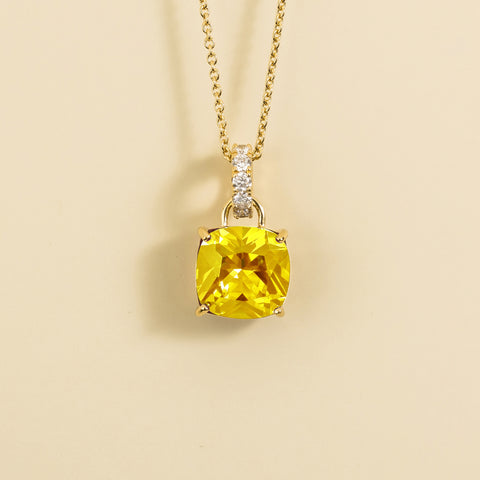
Yellow sapphire's durability is critical for long-term value. A gemstone that scratches easily loses visual appeal and requires replacement or re-polishing. Yellow sapphire, ranking 9 on the Mohs scale, can remain pristine for a lifetime.
When compared to rings, necklaces are also structurally safer. Rings endure constant impact. Necklaces experience far less mechanical stress. They hang freely, protected by clothing and distance from hard surfaces. This makes yellow sapphire necklaces particularly well-suited to long-term ownership.
However, even the finest gemstone can be lost to a failed setting. Long-term value depends on structural integrity: secure prongs or bezels, durable chains (ideally 1.5mm thickness or greater), and high-quality clasps.
Periodic professional inspections - every 12 to 18 months - ensure settings remain tight and chains remain sound. This minimal maintenance preserves both beauty and value across generations.
For detailed care guidance, read: How Do You Care for Yellow Sapphire Necklaces? Expert Tips
Heirloom Potential - The True Long-Term Value
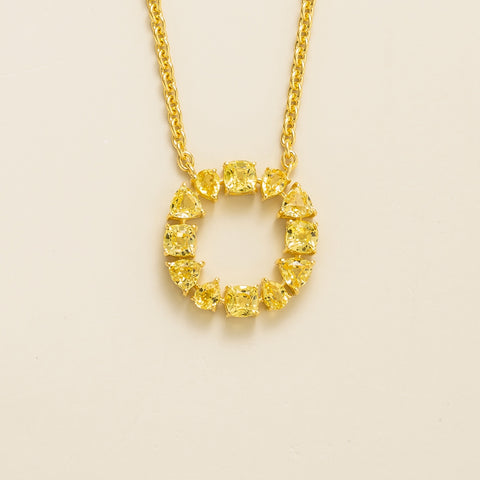
Pieces become heirlooms when they carry meaning across generations - when they're worn with pride, and when they connect family members to shared history. Yellow sapphire necklaces excel here. Their warm, joyful colour transcends age and style preferences.
The most valuable heirlooms aren't necessarily the most expensive. They're the pieces worn often, associated with love and memory, and treasured for connection rather than monetary worth.
A yellow sapphire necklace worn by your mother at her wedding, by you at yours, and eventually by your daughter carries incalculable emotional value. That continuity - that living history - is the truest "return on investment."
For a deeper exploration of yellow sapphire's symbolic resonance and spiritual significance, explore our dedicated meaning guide.
When a Yellow Sapphire Necklace Makes Sense Financially
Milestone Purchases (Birthdays, Anniversaries, Legacy Gifts)
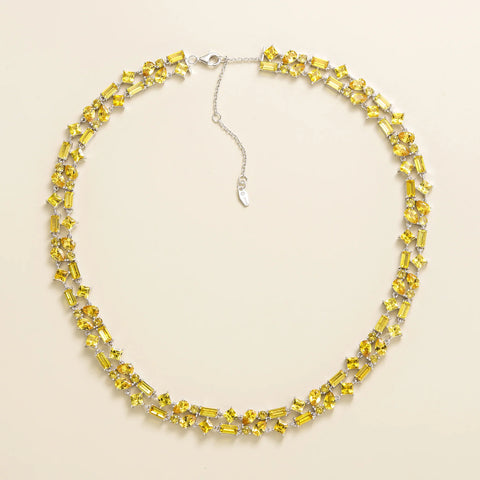
Yellow sapphire necklaces make exceptional sense for significant life moments: milestone birthdays, anniversaries, retirements, or achievements. These purchases are already emotionally weighted; the jewellery's longevity ensures the moment remains tangible for decades.
If you seek possessions that endure - objects you'll use, love, and never need to replace - yellow sapphire necklaces deliver extraordinary value.
Consider the cost-per-wear over 20 years. A £2,000 necklace worn 100 times annually costs £1 per wear. Over 30 years, it costs pennies per wear. Few purchases offer comparable longevity.
Once you have confirmed your investment decision, our Yellow Sapphire Necklace Length Guide will help you choose the style that suits your lifestyle and wardrobe perfectly.
Ethical Luxury Buyers
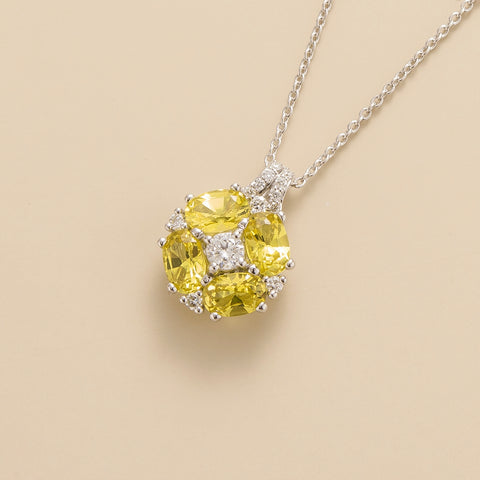
For buyers prioritising transparency, ethical sourcing, and conscious consumption, yellow sapphire necklaces - particularly lab-grown - offer guilt-free luxury. You're investing in beauty without compromise, in jewellery that aligns with your values long-term.
Those Building a Curated Jewellery Collection
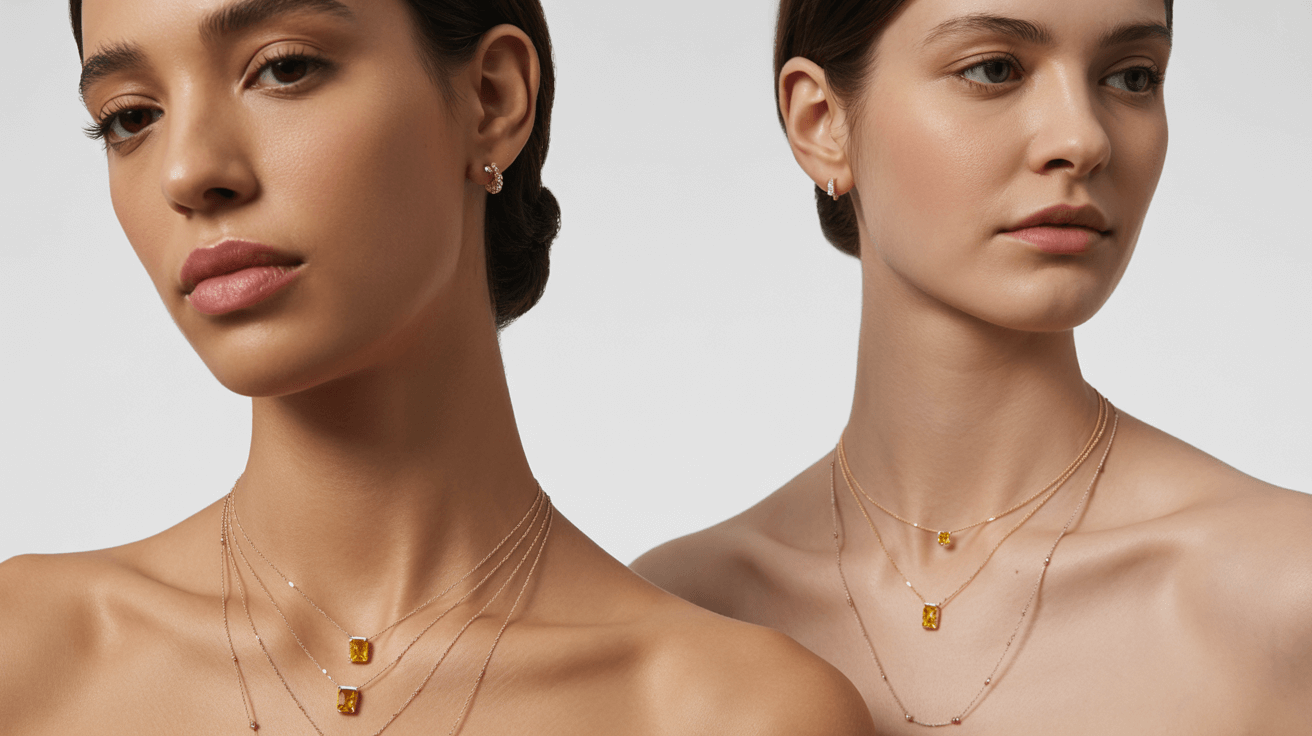
If you're building a personal jewellery wardrobe - pieces that complement each other, span occasions, and reflect your evolving taste - a yellow sapphire necklace fills a unique role. It adds warmth and colour without competing with other pieces, layers beautifully, and transitions seamlessly between casual and formal settings.
What Buyers Should NOT Expect
Not a Short-Term Resale Investment
Fine jewellery, including yellow sapphire necklaces, may depreciate immediately upon purchase. Retail markups (which fund craftsmanship, business operations, and service) mean resale prices are typically 30–60% of retail, even for pristine pieces.
If you need liquidity within five years, jewellery may not be a good option. Choose liquid assets instead.
Not Immune to Market Conditions
Gemstone markets fluctuate. While yellow sapphire enjoys stable demand, economic downturns reduce discretionary luxury spending. Resale values can temporarily decline during recessions.
However, for wearers rather than traders, market fluctuations are irrelevant. The necklace's beauty and utility remain constant.
Not a Replacement for Financial Assets
Jewellery should never constitute a significant portion of your investment portfolio. It lacks liquidity and doesn't benefit from compound growth.
Why Over-Expectation Damages Trust
When jewellers promise "investment-grade" returns, they create disillusionment. Buyers feel misled when resale values disappoint, and trust erodes - both in that jeweller and the industry broadly.
Juvetti's commitment is different: we tell you the truth. Yellow sapphire necklaces are exceptional long-term possessions, not financial instruments.
So, Is a Yellow Sapphire Necklace a "Good Investment"?
Yes, If You Value Longevity, Wearability & Meaning
If "investment" means acquiring something beautiful that lasts decades, requires no replacement, provides daily pleasure, and carries heirloom potential - then yes, absolutely.
Yellow sapphire necklaces are outstanding investments in quality of life. The return is measured in years of wear, compliments received, confidence boosted, and memories attached.
No, If You're Chasing Resale Profit
If "investment" means purchasing with the intent to resell at a profit, then no. Fine jewellery is not a wealth-building strategy.
The Balanced Truth
The question isn't "Will this appreciate?" but rather "Will I treasure this for decades?"
A yellow sapphire necklace you wear constantly, that makes you feel beautiful, that you eventually pass to someone you love - that is a profoundly valuable thing to own. The return is real; it's simply not financial in the traditional sense.
Reframe the Question: "Is This a Valuable Thing to Own for Decades?"
When you shift from speculative thinking to ownership thinking, the answer becomes clear.
Yellow sapphire necklaces offer exceptional durability, timeless beauty, ethical transparency (especially lab-grown), and emotional resonance. They don't depreciate in utility or aesthetic value - only in resale price, which matters only if you plan to sell.
If you intend to wear, love, and keep your yellow sapphire necklace, it's an outstanding long-term purchase.
Conclusion
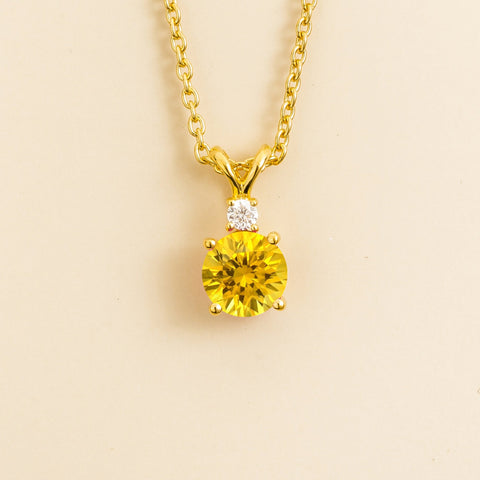
Yellow sapphire necklaces are not financial investments - they're investments in lasting beauty, personal meaning, and daily joy.
Juvetti creates yellow sapphire necklaces designed for exactly that: lifelong ownership, ethical integrity, and beauty that endures. We craft jewellery meant to be worn, treasured, and eventually passed down - not flipped for profit.
Frequently Asked Questions
Are yellow sapphire necklaces a good long-term investment?
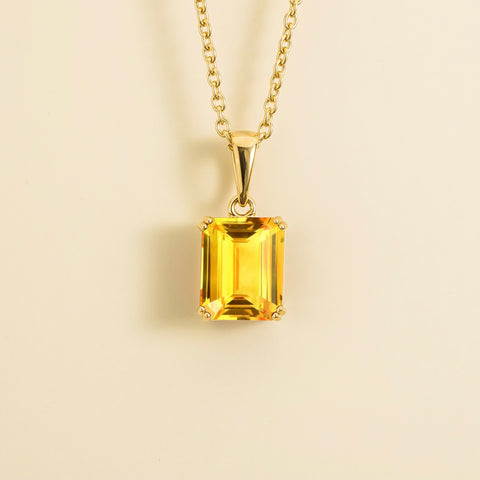
Yes, as long-term possessions offering decades of wearability, beauty, and heirloom potential. No, as financial assets expected to appreciate or provide liquid returns. The value lies in ownership, not resale.
Do yellow sapphire necklaces hold value over time?
Yellow sapphire necklaces retain intrinsic value through durability, timeless design, and enduring beauty. Resale values are typically lower than retail, but the piece's utility and aesthetic value remain constant across decades.
Is lab-grown yellow sapphire jewellery worth buying?
Absolutely, if you prioritise wearability, ethics, and quality over resale value. Lab-grown sapphires offer identical beauty and longevity to natural stones at a lower cost, making them excellent long-term ownership pieces.
Are sapphire necklaces considered heirlooms?
Yes. Yellow sapphire's durability, timeless colour, and symbolic warmth make it exceptionally suited to intergenerational transfer. Well-made pieces remain beautiful and wearable for generations.
Is a yellow sapphire necklace better than a diamond necklace for longevity?
Both offer excellent durability (sapphire: 9 Mohs, diamond: 10 Mohs). Yellow sapphire provides distinctive warmth and individuality; diamonds offer classic neutrality. Choose based on personal aesthetic preference, not longevity - both endure equally.
Should I buy jewellery as an investment?
Only if "investment" means acquiring something beautiful to wear for decades. Jewellery is not a wealth-building strategy. Buy for personal enrichment, heirloom potential, and lasting beauty - not financial returns.