How to Care for and Maintain Your Lab Grown Diamond Ring
Your diamond ring isn't simply a piece of jewellery; it's a precious symbol of love, commitment, and the promises you've made to one another. Thus, understanding how to properly care for your lab grown diamond ring ensures it continues to sparkle brilliantly for generations to come.
Whilst lab grown diamonds possess the same exceptional durability and hardness as mined diamonds, maintaining their breathtaking brilliance requires consistent care and attention. This comprehensive guide provides you with practical, expert-backed advice to protect your investment, preserve its stunning appearance, and keep your ring looking as magnificent as the day you first wore it.
If you're still exploring whether lab-grown diamonds are the right choice, discover the key reasons to choose a lab-grown diamond engagement ring.
Why Proper Care Matters for Lab Grown Diamonds
Understanding why your lab-grown diamond ring needs regular care helps you develop habits that protect both the stone and its setting. Lab-grown diamonds are chemically, physically, and optically identical to mined diamonds, meaning they require the same maintenance practices to remain in pristine condition.
Diamonds Are Durable, But Not Indestructible
Lab grown diamonds rank 10 on the Mohs hardness scale, making them the hardest naturally occurring substance on Earth. This exceptional hardness means your diamond resists scratching from most materials you'll encounter in daily life. However, according to the Gemological Institute of America, diamonds can still chip or fracture if struck at certain angles, particularly along their cleavage planes. The brilliant facets that create your diamond's spectacular sparkle can also accumulate oils, lotions, and everyday grime, which gradually dull the stone's fire and brilliance. Regular cleaning and mindful wearing habits prevent these issues, ensuring your diamond continues to capture and reflect light beautifully.
For guidance on choosing the right cut and clarity to ensure long-term durability, explore our comprehensive lab-grown diamond buying guide.
Protecting the Setting and Metal Band
Whilst your diamond itself is remarkably hard, the metal setting that holds it requires equal attention. Whether your ring features platinum, white gold, yellow gold, or rose gold, the prongs, bezels, or channels securing your diamond can loosen over time through normal wear. To better understand how different settings influence durability, explore our guide to popular lab-grown diamond cuts and settings.
Daily activities create subtle stresses on these delicate components-catching your ring on clothing, bumping it against hard surfaces, or even the natural compression from temperature changes. At Juvetti, our expert jewellers recommend inspecting your setting regularly to catch any loosening before it becomes serious. A slightly bent prong caught early prevents the heartbreak of a lost diamond later.
Maintaining Sparkle Over Time
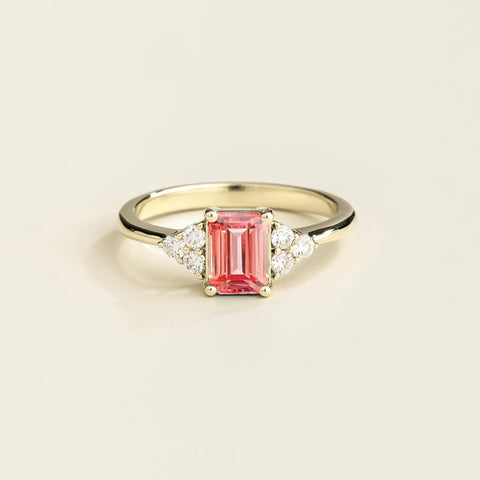
The captivating sparkle that initially drew you to your lab grown diamond doesn't diminish with age, but it can become obscured by build-up from everyday life. Soaps, hand lotions, cooking oils, and natural skin oils create an invisible film on your diamond's surface, reducing light transmission and dulling its brilliance. This accumulation happens gradually, so you might not notice the change until you clean your ring and suddenly remember just how brilliantly it can shine. Establishing a consistent cleaning routine prevents this build-up, ensuring your diamond maintains its eye-catching sparkle day after day.
If you're exploring their long-term value, here are the key benefits of lab-grown diamond rings.
Daily Habits to Protect Your Diamond Ring
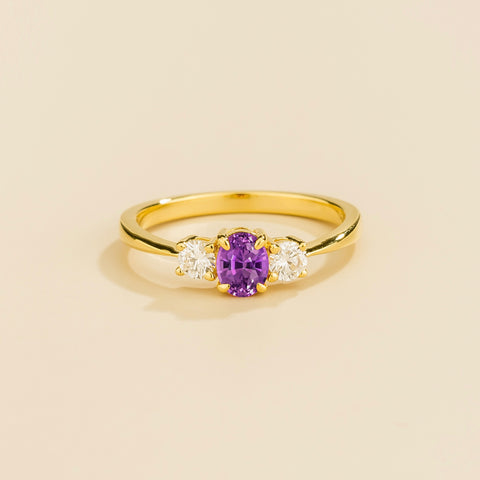
The most effective way to preserve your lab grown diamond ring's beauty is through mindful daily habits. Small preventative measures protect your ring from unnecessary wear, damage, and loss, extending its life and maintaining its appearance.
When to Take Off Your Ring (Gym, Cleaning, Swimming, Sleeping)
Certain activities pose significant risks to your diamond ring and warrant removing it temporarily. Take off your ring before exercising at the gym-weights and exercise equipment can bend prongs, scratch metal bands, or even crack diamonds if struck forcefully. Similarly, remove your ring before cleaning with household chemicals, as harsh substances like bleach, chlorine, and abrasive cleaners can damage both the diamond's brilliance and the metal setting. Swimming, particularly in chlorinated pools or the ocean, exposes your ring to chemicals and salt that can corrode certain metals over time, whilst cold water can cause your fingers to shrink, increasing the risk of your ring slipping off.
Many people wonder about sleeping whilst wearing their ring. Whilst not immediately damaging, sleeping with your ring on increases the likelihood of catching it on bedding, potentially loosening prongs. If you prefer to keep your ring on whilst sleeping, ensure it fits properly and inspect it regularly for any signs of wear.
How to Store Your Ring Safely
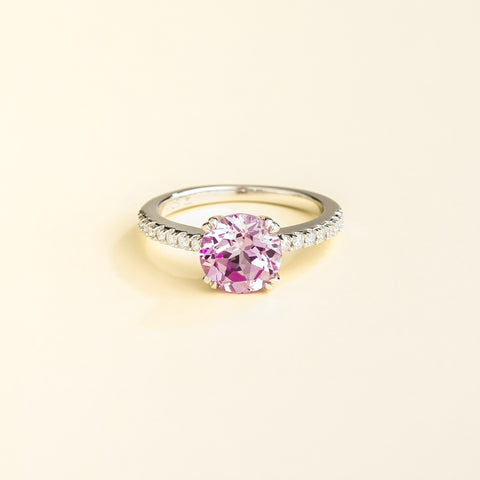
When you do remove your ring, proper storage protects it from damage and ensures you always know where it is. Designate a specific, safe location for your ring-never place it on the edge of a sink where it might slip down the drain or in a pocket where it could be forgotten. A soft-lined jewellery box with individual compartments prevents your diamond from scratching other jewellery pieces, whilst a ring dish on your bedside table creates a consistent, memorable storage spot. For travel, use a padded jewellery roll or small case that secures your ring without allowing it to move around freely.
Avoiding Harsh Chemicals and Abrasives
Your lab grown diamond ring's greatest enemies are harsh chemicals and abrasive substances. Whilst diamonds themselves resist chemical damage, the metals holding your diamond can tarnish, discolour, or corrode when exposed to certain substances. Avoid wearing your ring whilst using bleach, ammonia-based cleaners, chlorine, or paint thinners. Beauty products, including hair spray, perfume, and fake tan, can also create build-up on your diamond and potentially damage delicate settings. Apply these products before putting on your ring, allowing them to dry completely first. At Juvetti, we advise adopting a simple rule: last on, first off-your ring should be the last thing you put on when getting ready and the first thing you remove when beginning any potentially damaging activity.
Cleaning Your Lab Grown Diamond Ring at Home
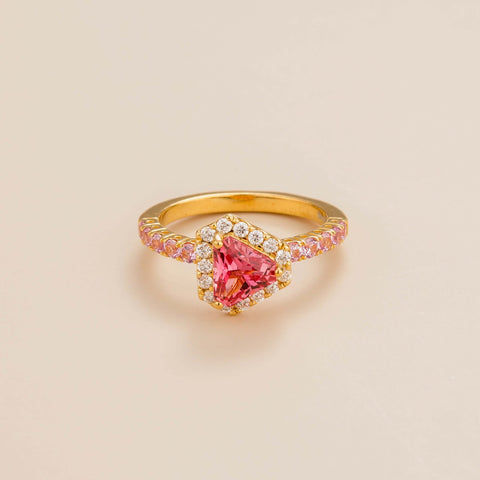
Regular at-home cleaning maintains your diamond's brilliance between professional services. Brides' jewellery care guide recommends weekly cleaning for rings worn daily, and these simple methods safely restore your diamond's sparkle without risking damage.
Gentle Soap and Warm Water Method
The safest, most effective at-home cleaning method uses only mild soap and warm water. Fill a small bowl with warm (not hot) water and add a few drops of gentle, phosphate-free dish soap. Avoid soaps with moisturisers, degreasers, or antibacterial agents that might leave residue. Place your ring in the soapy water and let it soak for 20-30 minutes to loosen dirt, oils, and build-up. This gentle soaking method is particularly effective for intricate settings like halos or vintage designs where grime accumulates in hard-to-reach areas. The warm water and mild soap work together to dissolve oils without any harsh chemicals that might damage your ring.
Using a Soft Brush for Dirt Removal
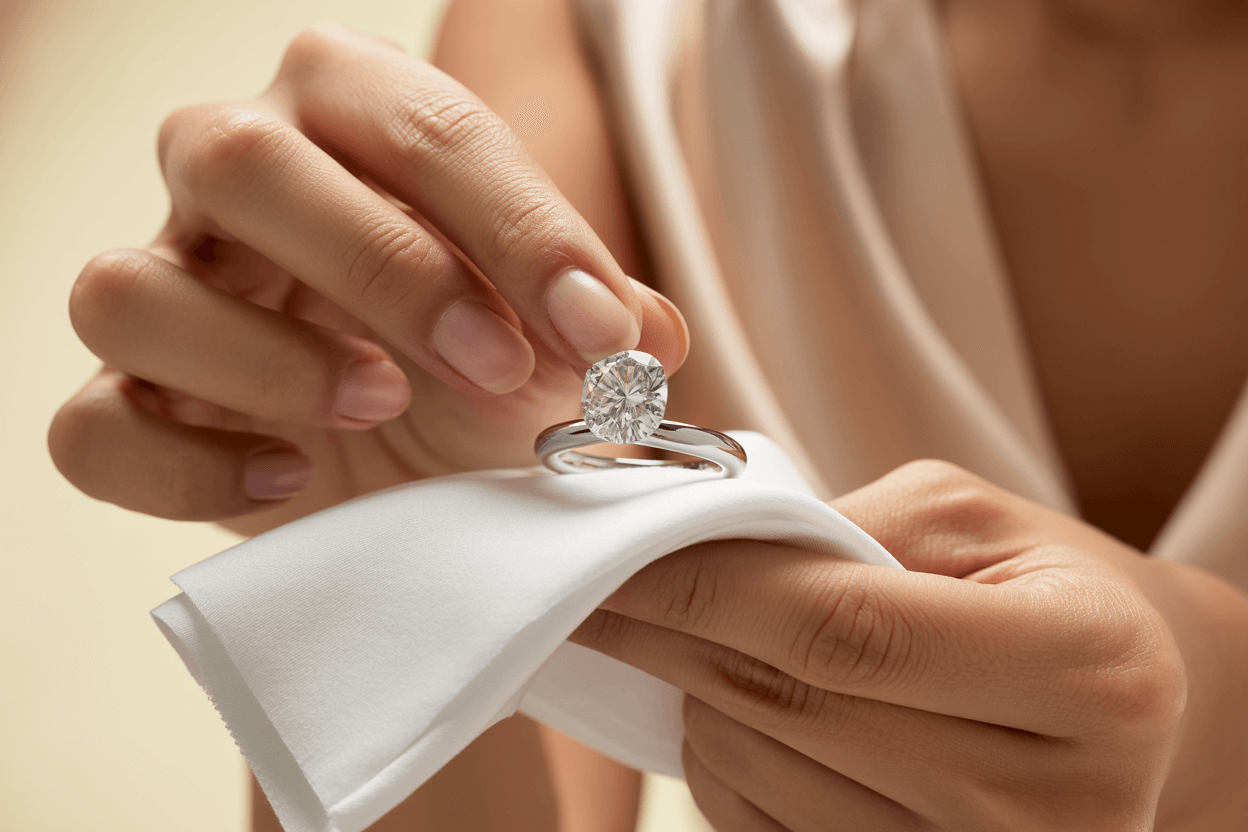
After soaking, use a very soft brush to gently clean around the diamond and setting. A baby toothbrush with extra-soft bristles works perfectly, as does a dedicated jewellery cleaning brush. Gently brush around the diamond's pavilion (underside), along the prongs or bezel, and across the band, paying special attention to crevices where dirt accumulates. Use light pressure and gentle circular motions. Aggressive scrubbing isn't necessary and risks loosening prongs. For particularly stubborn build-up, extend the soaking time rather than increasing brushing pressure. Rinse thoroughly under warm running water, ensuring all soap residue is removed. Pat dry with a soft, lint-free cloth. Microfibre cloths work beautifully for this purpose.
What NOT to Use (Ultrasonic at Home, Bleach, Toothpaste)
Specific cleaning methods popular on the internet can actually damage your lab grown diamond ring. Never use toothpaste, despite its frequent recommendation. Toothpaste contains abrasives that can scratch gold, platinum, and other precious metals, dulling your band's finish over time. Avoid bleach, ammonia, and other harsh household cleaners, as these can discolour or damage metal settings and loosen diamonds from their mountings. Whilst professional jewellers use ultrasonic cleaners safely, home ultrasonic devices can loosen stones if settings are already compromised, making them risky without professional oversight. Similarly, avoid abrasive materials like baking soda or rough cloths that might scratch softer metals.
To see how these advancements fit into broader industry shifts, explore the future innovations in lab-grown diamond jewellery.
DIY vs. Store-Bought Jewellery Cleaners
Commercial jewellery cleaning solutions offer convenience but require careful selection. Choose cleaners specifically formulated for diamonds and precious metals, avoiding generic "all-purpose" solutions that might harm certain settings or decorative elements. Read labels carefully to ensure compatibility with your ring's specific materials. White gold, rose gold, and platinum each have slightly different care requirements. However, the simple soap-and-water method often proves equally effective whilst being gentler and more cost-effective. Juvetti provides a complimentary cleaning solution with every ring purchase, explicitly formulated for lab grown diamonds and the precious metal settings we use.
Professional Cleaning and Maintenance
Whilst at-home care maintains your ring's daily brilliance, professional cleaning and inspection by qualified jewellers provides essential long-term protection. According to The Knot's engagement ring maintenance guide, professional servicing catches potential problems before they become costly repairs.
How Often Should You Get a Professional Cleaning?
Most jewellery experts recommend professional cleaning and inspection every six months for rings worn daily. These appointments provide thorough cleaning that removes build-up from areas you cannot easily reach at home, whilst ultrasonic and steam cleaning equipment safely restores your diamond's maximum brilliance. Professional jewellers use specialised tools and techniques that clean more deeply than home methods without risking damage. If you lead a particularly active lifestyle or work with your hands frequently, consider quarterly professional cleanings. At Juvetti, we offer complimentary professional cleaning services for life with every ring purchase, making it effortless to maintain your ring's pristine condition.
Checking the Prongs and Settings for Security
Professional inspections aren't just about cleaning; they're crucial safety checks that prevent diamond loss. Experienced jewellers examine each prong, checking for wear, bending, or loosening that might allow your diamond to slip free. They inspect bezels for gaps, check channel settings for security, and assess overall structural integrity. Catching a slightly loose prong early allows for a simple tightening, whilst missing it might result in losing your diamond entirely. Professional jewellers use magnification and proper lighting to spot issues invisible to the untrained eye, providing peace of mind that your precious symbol remains secure.
Re-polishing the Band and Replating White Gold
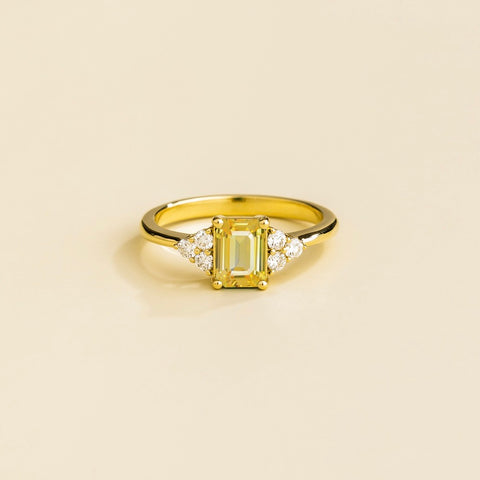
Over years of wear, even the most durable precious metals develop fine scratches and surface wear that dull their lustre. Professional jewellers can re-polish your band, buffing away these imperfections and restoring the original mirror-like finish. For white gold rings, replating becomes necessary every few years as the rhodium plating that gives white gold its brilliant silvery appearance gradually wears away, revealing the slightly warmer natural colour of white gold beneath. Professional replating restores that crisp, bright white finish, making your ring look brand new again. These services, whilst requiring professional expertise, are routine maintenance that keeps your ring looking spectacular for decades.
Common Mistakes to Avoid
Understanding common ring care mistakes helps you prevent unnecessary damage and maintain your lab grown diamond ring's beauty and structural integrity. Many of these errors seem harmless but create cumulative damage over time.
Wearing Your Ring During Heavy Activities
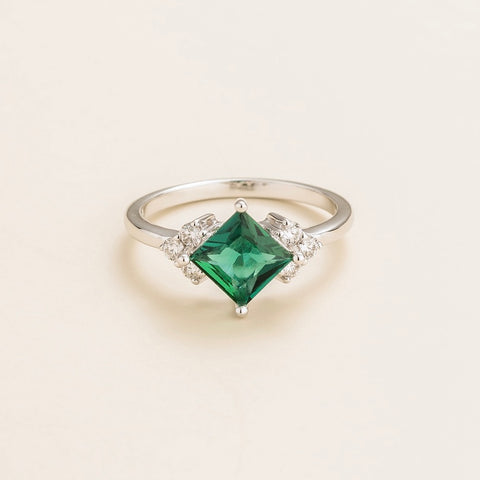
One of the most frequent mistakes is wearing your diamond ring during activities that subject it to impacts, pressure, or entanglement risks. Gardening, DIY projects, moving furniture, and similar activities can bend prongs, chip diamonds, or scratch bands. Even activities like enthusiastic cooking, particularly kneading dough or handling heavy pots, can damage your ring gradually. The mindset shift many ring owners need is recognising that removing your ring for certain activities isn't about mistrust or disrespect for the symbol, it's about preserving it for a lifetime. A ring safely stored during potentially damaging activities will remain beautiful far longer than one subjected to unnecessary stress.
Neglecting Regular Inspections
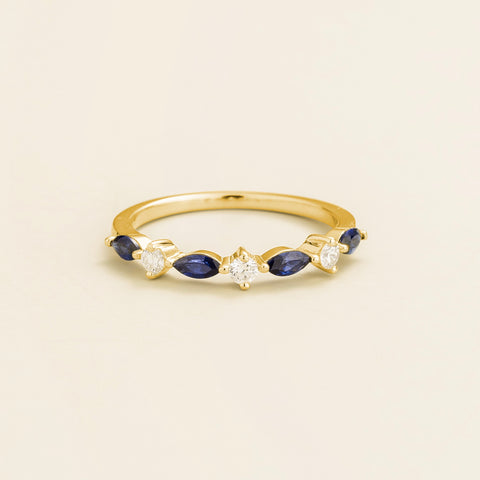
Many people clean their rings regularly but never actually inspect them for potential problems. Make it a habit to examine your ring closely each time you clean it, checking that prongs haven't bent, the diamond hasn't loosened, and the band shows no concerning cracks or wear. Gently try to move the diamond with your fingertip-it shouldn't wiggle at all. If you notice any movement, unusual sounds, or visible damage, visit a professional jeweller immediately. Early intervention prevents minor issues from becoming major repairs or, worse, losing your diamond entirely.
Using the Wrong Cleaning Solutions
As mentioned earlier, many popular home cleaning methods actually damage rings rather than helping them. Beyond the specific products to avoid, the broader mistake is assuming that because something cleans other items effectively, it's safe for jewellery. Your lab grown diamond ring requires gentle, pH-neutral cleaning solutions specifically safe for precious metals and gemstones. When in doubt, stick with mild soap and warm water-it's nearly impossible to damage your ring with this method, whilst many other approaches carry risks.
Insurance and Long-Term Protection
Beyond physical care, protecting your lab-grown diamond ring financially provides crucial peace of mind. Insurance and warranty coverage safeguard your investment against life's unexpected events whilst ensuring access to professional maintenance services.
Why Insuring Your Lab-Grown Diamond Ring Matters
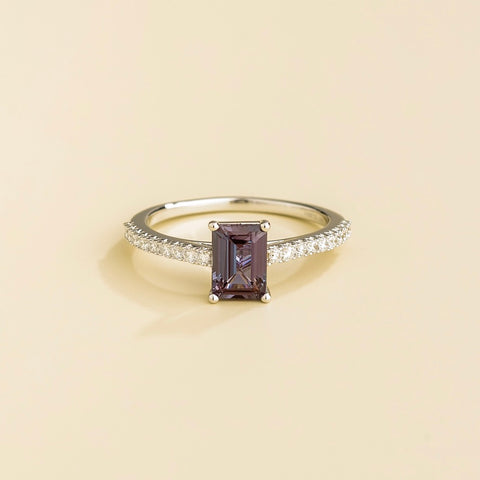
Jewellery insurance protects you from devastating financial loss if your ring is stolen, lost, or damaged beyond repair. Whilst homeowner's or renter's insurance may provide some coverage, these policies typically have low limits for jewellery and may not cover loss (as opposed to theft). Specialised jewellery insurance offers comprehensive coverage, including mysterious disappearance, accidental damage, and even loss of stones from their settings. Given the significant emotional and financial value of your engagement ring, insurance premiums represent a small investment for substantial protection. Document your ring thoroughly with photographs, certification, and appraisal, storing these records separately from the ring itself.
Warranty and Aftercare Policies
When purchasing your lab grown diamond ring, understand what warranty and aftercare services the jeweller provides. Quality jewellers typically offer warranties covering manufacturing defects, whilst some provide complimentary services like resizing, cleaning, and inspection. At Juvetti, every ring includes a comprehensive lifetime warranty covering craftsmanship issues, along with free professional cleaning, inspection, and prong tightening for as long as you own your ring. These services ensure your ring receives expert care throughout its lifetime, maintaining both its beauty and structural integrity. Review your warranty terms carefully, noting any requirements like regular professional inspections to maintain coverage.
Peace of Mind for Life's Unexpected Events
Life brings unexpected challenges-rings slip off during swimming, get lost during house moves, or suffer damage in accidents. Comprehensive insurance combined with strong warranty coverage provides peace of mind that whatever happens, you're protected. This security allows you to wear and enjoy your ring confidently, knowing that you've taken sensible precautions against life's uncertainties. The emotional value of your ring is irreplaceable, but ensuring you can repair or replace it if necessary reduces the anxiety many people feel about wearing such precious jewellery daily.
Frequently Asked Questions
Can I clean my lab grown diamond ring with vinegar or baking soda?
Whilst vinegar is relatively safe for diamonds themselves, it can damage specific metal settings and should be avoided. Baking soda's abrasiveness can scratch gold and other softer precious metals, dulling your band's finish. The mild soap and warm water method provides equally effective cleaning without these risks, making it the superior choice for home care.
How often should I take my ring for professional cleaning?
For rings worn daily, professional cleaning every six months maintains optimal brilliance and allows jewellers to inspect for potential problems. If you lead an active lifestyle or work with your hands frequently, consider quarterly professional services. Many jewellers, including Juvetti, offer complimentary lifetime cleaning, making regular professional care convenient and affordable.
Is ultrasonic cleaning safe for lab grown diamonds?
Professional ultrasonic cleaning is safe for lab grown diamonds and actually provides superior cleaning compared to manual methods. However, home ultrasonic cleaners can loosen already-compromised settings or damage rings with certain gemstone accents. Leave ultrasonic cleaning to professional jewellers who can assess your ring's condition first and use commercial-grade equipment properly.
Should I take off my ring before sleeping or showering?
Showering with your ring on isn't immediately damaging, though soap and shampoo contribute to build-up that dulls sparkle. Sleeping whilst wearing your ring increases the risk of catching it on bedding and potentially loosening prongs. Many people find removing their ring at night creates a consistent storage routine and allows skin underneath to breathe. Ultimately, personal preference matters, but if you keep your ring on during these activities, inspect it regularly for signs of wear.
How do I keep white gold bands from turning yellow?
White gold's slightly warm tone is its natural colour-the bright silvery-white appearance comes from rhodium plating applied during manufacturing. As this plating wears through everyday use, the warmer tone gradually shows through. Professional replating every 1-3 years (depending on wear) restores the crisp white finish. There's no way to prevent this natural process, but avoiding harsh chemicals and removing your ring during activities that cause friction extends the time between replating needs.
Does cleaning affect the diamond's certification or value?
Regular cleaning has absolutely no effect on your diamond's certification or intrinsic value. Your diamond's certified characteristics-cut, colour, clarity, and carat weight-are permanent features that cleaning cannot alter. In fact, proper cleaning maintains your diamond's appearance and therefore its market value by preventing damage and keeping it looking its absolute best.
Final Thoughts
With consistent care and attention, your lab grown diamond ring will continue to sparkle brilliantly for decades, becoming a treasured heirloom you'll one day pass down to future generations. The beauty of lab grown diamonds lies not only in their ethical origins and environmental sustainability but also in their incredible durability. Given proper care, they truly are forever. By incorporating simple daily habits, regular at-home cleaning, and periodic professional maintenance into your routine, you protect both the financial investment and the emotional significance your ring represents.
Remember that caring for your diamond ring isn't a burden-it's an extension of the love and commitment it symbolises. Each time you clean your ring, inspect its setting, or visit your jeweller for professional service, you're actively preserving the physical manifestation of your promises to one another. Lab grown diamonds offer the same breathtaking beauty and remarkable durability as mined diamonds, whilst representing more conscious, ethical choices, making them ideal symbols for modern love.
You can also explore how lab-grown diamonds are redefining engagement traditions for modern couples.
At Juvetti, we're committed to supporting you throughout your ring's lifetime with expert advice, complimentary professional services, and the assurance that comes from choosing certified, ethically created diamonds. Whether you're exploring our collection for the first time or you've treasured your Juvetti ring for years, our team of experienced jewellers remains available to answer questions, provide care guidance, and ensure your ring continues to sparkle as brilliantly as your love story. Visit our showroom or contact our care specialists to learn more about protecting and maintaining your precious symbol of commitment for generations to come.