
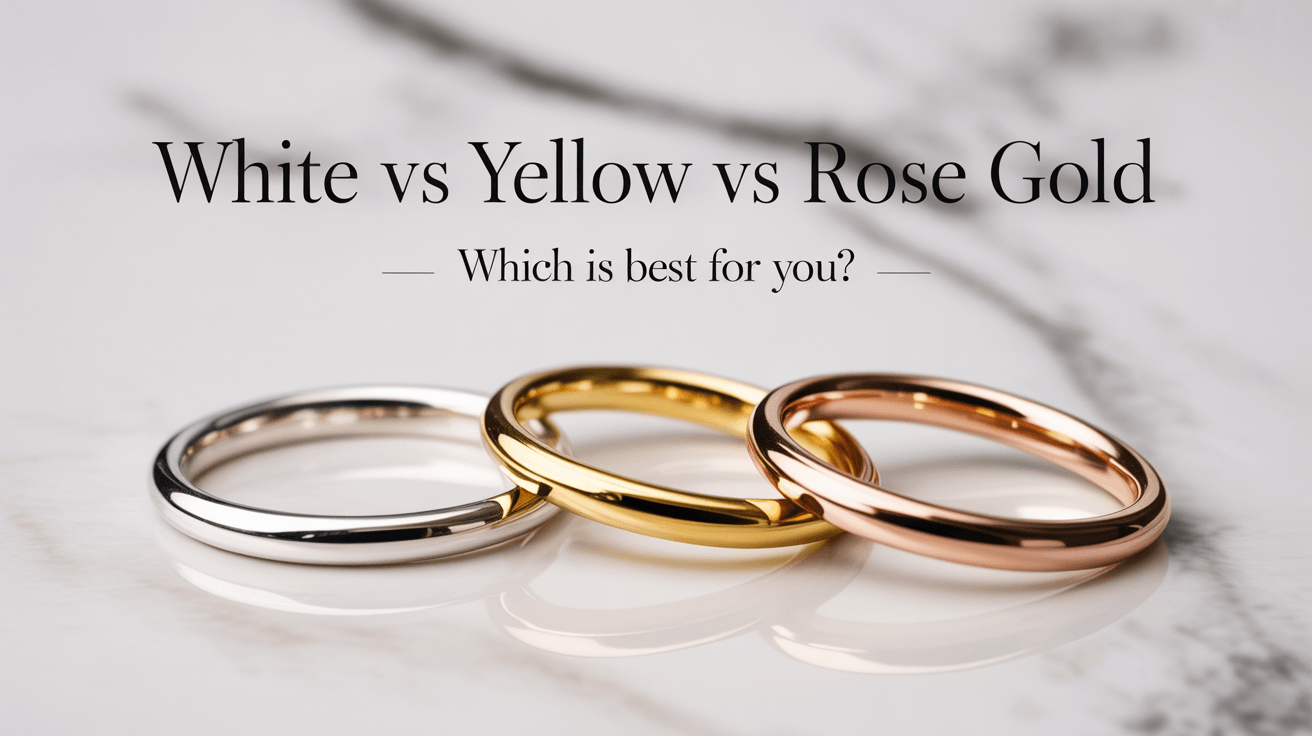
White Gold vs Yellow Gold vs Rose Gold: Complete Comparison Guide
Choosing between white gold, yellow gold, and rose gold isn't simply about aesthetic preference - it's a decision that affects durability, maintenance requirements, skin compatibility, and long-term value. Whether you're selecting an engagement ring, investing in a statement necklace, or building a jewellery collection, understanding the nuances between these three gold colours empowers you to make a choice that aligns with your lifestyle, budget, and personal style.
There's no universally "best" gold colour. Rather, there's the right choice for you - one that complements your skin tone, matches your daily routine, and reflects your individual aesthetic. This comprehensive guide compares white gold vs yellow gold vs rose gold across every critical factor, from appearance and durability to cost and care requirements, helping you navigate this common jewellery dilemma with confidence.
Quick Answer: Which Gold Colour Is Best?
Best for durability → Rose gold (copper content increases hardness)
Best for low maintenance → Yellow gold (no plating required)
Best for diamonds → White gold (maximises brilliance)
Best for sensitive skin → Yellow gold or nickel-free white gold
Best for timeless appeal → Yellow gold (4,000+ years of proven style)
Best for unique, romantic aesthetic → Rose gold

What Is White Gold, Yellow Gold & Rose Gold? A Quick Overview
Before diving into comparisons, let's establish what distinguishes each gold colour at a fundamental level.
White Gold
White gold is pure gold alloyed with white metals such as palladium, nickel, or silver to achieve its silvery appearance. Most white gold jewellery receives a rhodium plating - a thin layer of a precious metal that enhances the bright, reflective finish and provides additional scratch resistance. This plating wears over time and requires periodic renewal to maintain that signature lustrous appearance.
The alloy composition typically includes 58.3% pure gold (for 14K) or 75% pure gold (for 18K), with the remainder consisting of white metals. The white gold collection showcases how this metal creates a contemporary, sophisticated look that beautifully complements diamonds and coloured gemstones alike.
Yellow Gold
Yellow gold represents the most traditional and recognisable form of gold jewellery. Created by alloying pure gold with copper and silver, yellow gold maintains gold's natural, warm, rich tone without requiring any plating. The percentage of pure gold determines the karat - 14K gold contains 58.3% pure gold, whilst 18K gold contains 75% pure gold, with 18K displaying a richer, more saturated yellow hue.
This classic metal requires minimal maintenance and offers timeless appeal that transcends fleeting fashion trends. Explore the yellow gold collection to discover pieces that honour centuries of jewellery-making tradition.
Rose Gold
Rose gold, sometimes called pink gold or red gold, achieves its distinctive warm, rosy hue through a higher copper content in its alloy composition. The copper gives rose gold its characteristic blush tone whilst also enhancing the metal's durability and hardness. Unlike white gold, rose gold requires no plating, and its colour remains consistent throughout the metal's depth.
Rose gold has experienced a significant resurgence in contemporary jewellery design, appealing to those seeking something both romantic and modern. The rose gold collection demonstrates how this metal adds a soft, feminine warmth to everything from delicate necklaces to bold statement rings.
White Gold vs Yellow Gold vs Rose Gold: Complete Comparison
| Comparison Factor | White Gold | Yellow Gold | Rose Gold |
|---|---|---|---|
| Colour Tone | Bright, silvery | Warm, rich yellow | Soft pink / rosy |
| Durability | Good (with rhodium plating) | Good | Excellent (hardest alloy) |
| Maintenance | High (periodic replating required) | Minimal | Minimal |
| Hypoallergenic | Depends on alloy composition | Yes | Yes |
| Best For | Diamonds, modern styles | Timeless pieces, strong contrast | Daily wear, romantic aesthetic |
| Plating Required | Yes (rhodium) | No | No |
| Long-term Costs (10 yrs) | £200–£500 (replating) | Minimal | Minimal |
| Skin Tone Match | Cool undertones | Warm / neutral undertones | Warm / neutral undertones |
Appearance & Colour Tone: How Each Gold Looks
White gold projects a bright, silvery appearance that reads as cool and contemporary. Its neutral tone creates a sleek, modern aesthetic, particularly popular in engagement rings and professional jewellery. The rhodium plating enhances brilliance, though it requires maintenance to sustain that mirror-like finish.
Yellow gold offers warmth and richness, with a classic appearance that evokes heritage and tradition. Its natural golden glow provides excellent contrast against the skin, making it highly visible and instantly recognisable. The colour intensity varies with karat weight - 18K yellow gold displays a deeper, more luxurious tone than 14K. To understand how karat weight affects appearance and value, explore the guide on 14K vs 18K Gold: Understanding the Differences.
Rose gold delivers a romantic, vintage-inspired aesthetic with its soft pink undertones. This distinctive colour has gained tremendous popularity for its ability to complement a wide range of skin tones whilst offering something visually unique. Rose gold creates an intimate, personal feel that many find more approachable than the formality of white or yellow gold.
Durability & Strength: Which Gold Lasts Longest?
The copper content in rose gold makes it the most durable of the three options. Copper is harder than other alloying metals, resulting in increased scratch resistance and structural integrity. This makes rose gold particularly suitable for rings that endure daily wear.
Yellow gold, whilst durable, is slightly softer than rose gold due to its specific alloy composition. However, it's still perfectly suitable for everyday jewellery, especially when chosen in 14K, which offers enhanced strength compared to 18K.
White gold provides good durability, though the rhodium plating - whilst adding scratch resistance - will gradually wear away with use. The underlying white gold alloy remains strong, but the metal's appearance will change as the plating thins.
Which Gold Is Best for Different Jewellery Types?
For engagement rings and wedding bands: Rose gold edges ahead due to its superior hardness and scratch resistance. Yellow gold in 14K composition provides excellent durability whilst maintaining traditional appeal. White gold works beautifully but requires commitment to periodic replating.
For necklaces: All three colours perform well, as necklaces endure less friction than rings. Yellow gold offers exceptional longevity with zero maintenance requirements. Rose gold creates distinctive warmth against the décolletage. White gold provides contemporary elegance.
For bracelets: Bracelets experience moderate wear. Rose gold and 14K yellow gold prove most practical, resisting scratches from desk work and daily movement. White gold benefits from rhodium's scratch resistance but eventually requires replating.
For earrings: Earrings undergo minimal wear, making all three gold colours equally durable. Choose based purely on aesthetic preference and skin tone compatibility.
Maintenance & Care Requirements: The Real Cost of Ownership
This factor often surprises buyers, as the ongoing maintenance differences significantly impact long-term satisfaction and costs.
White Gold Maintenance
White gold demands the highest maintenance among the three. The rhodium plating typically requires professional reapplication every 1-3 years, depending on wear patterns. This service costs between £40-100 per session and is essential for maintaining white gold's characteristic bright appearance.
Total 10-year maintenance cost: £200-500
Without replating, white gold takes on a slightly yellowish tint - revealing the natural colour of the underlying gold alloy. This doesn't damage the metal or reduce its value, but it does alter the aesthetic that many people originally purchased the piece for.
Yellow Gold & Rose Gold Maintenance
Yellow gold and rose gold require minimal maintenance beyond regular cleaning. Neither requires plating, and both develop a soft patina over time that many wearers find appealing.
Simple home care:
- Clean with mild soap and warm water
- Gentle brush for detailed areas
- Professional polishing every few years (£20-40) to remove scratches and restore the original finish
Total 10-year maintenance cost: £60-120
For those seeking low-maintenance luxury, yellow or rose gold presents clear advantages. If you appreciate white gold's aesthetic but want to minimise upkeep, consider platinum as an alternative - though it comes at a significantly higher price point.
Hypoallergenic Properties: Critical for Sensitive Skin
This consideration proves crucial for individuals with metal sensitivities, affecting both comfort and wearability.
Rose Gold & Yellow Gold (Safest Options)
Rose gold and yellow gold rarely cause allergic reactions. Their primary alloying metals - copper and silver - are generally well-tolerated by most people, even those with sensitive skin. These options provide peace of mind for anyone concerned about metal allergies.
White Gold (Requires Attention)
White gold sometimes contains nickel in its alloy composition, particularly in older pieces or lower-quality jewellery. Nickel is a common allergen that can cause:
- Skin irritation and redness
- Itching and discomfort
- Contact dermatitis
- Rashes at contact points
Important: Modern, high-quality white gold pieces increasingly use palladium-based alloys, which are nickel-free and suitable for sensitive skin. Always inquire about the specific alloy composition before purchasing white gold, especially if you have known metal allergies or sensitive skin.
Practical tip: If you've experienced reactions to costume jewellery or belt buckles in the past, you may have nickel sensitivity. Choose yellow gold, rose gold, or certified nickel-free white gold to avoid issues.
Longevity Over Time: How Gold Colour Ages
Understanding how each gold colour changes over years of wear helps set realistic expectations.
Yellow gold maintains its colour indefinitely. The warm golden hue is inherent to the metal itself, not applied as a surface treatment. Whilst it may develop minor scratches with wear, these can be professionally buffed away without affecting the colour. Yellow gold develops a beautiful patina over decades that many collectors prize.
Rose gold similarly retains its distinctive pink tone throughout its lifetime. Some wearers notice a slight darkening over many years due to copper oxidation, but this typically enhances the vintage character rather than detracting from it. The colour remains consistent and doesn't fade.
White gold's appearance changes most dramatically over time as the rhodium plating wears away. Without regular replating, it develops a warmer, slightly yellowish tone. This transformation is purely cosmetic - it doesn't damage the metal, reduce its value, or affect structural integrity. However, it does alter the aesthetic, which is why many white gold owners choose regular replating.

Which Gold Colour Looks Best on Your Skin Tone?
Matching gold to your skin's undertones creates harmony and enhances both your complexion and your jewellery's appearance. This might be the single most important factor in your decision.
Cool Undertones
If your skin has pink, red, or blue undertones - often indicated by veins that appear blue or purple - white gold typically provides the most flattering complement. The silvery tone harmonises with cool undertones, creating a cohesive, elegant look.
Rose gold can also work beautifully by providing warm contrast, whilst yellow gold may appear too warm against very cool skin tones.
Warm Undertones
Those with golden, peachy, or yellow undertones - characterised by greenish-appearing veins - find yellow gold and rose gold most complementary. These warm metals enhance the natural glow of warm-toned skin, creating a luminous effect.
Yellow gold provides rich contrast that makes skin appear radiant, whilst rose gold offers a softer, more subtle warmth. White gold works as well, but may not create the same synergistic effect.
Neutral Undertones
Lucky individuals with neutral undertones - a balanced mix of warm and cool - can wear all three gold colours with equal success. Your choice becomes purely a matter of personal preference and style. Consider your wardrobe colours, other jewellery pieces, and the overall aesthetic you wish to project.
Practical tip: Hold different gold colours against your wrist in natural daylight. The metal that makes your skin appear brighter and more vibrant is typically your most flattering choice. If you're shopping online, many jewellers offer sample swatches to help with this decision.
Which Gold Is More Expensive or Valuable?
Price variations between gold colours often surprise buyers, as the differences are more nuanced than many assume.
Initial Purchase Price
At identical karat weights (14K or 18K), the three gold colours typically cost approximately the same amount. The gold content - which determines the base value - remains constant across colours. You're paying for the same amount of pure gold, simply alloyed with different metals.
Minor price variations may occur based on current market values of alloying metals, but these differences are negligible - perhaps £20-50 on a £1,000 piece. Some retailers charge slightly more for white gold due to the rhodium plating process, though this isn't universal.
Long-Term Cost Comparison
This is where meaningful financial differences emerge:
White gold total 10-year cost: Initial price + £200-500 (replating). Yellow gold total 10-year cost: Initial price + £60-120 (cleaning/polishing). Rose gold total 10-year cost: Initial price + £60-120 (cleaning/polishing)
Over a lifetime of ownership, white gold costs significantly more than yellow or rose gold - a factor worth considering for budget-conscious buyers or those purchasing multiple pieces.
Resale Value & Investment Perspective
When selling or trading gold jewellery, colour makes no difference to intrinsic value. Buyers assess pieces based on:
- Gold weight (grams)
- Karat purity (14K, 18K, etc.)
- Current gold market price
A 5-gram 18K yellow gold ring contains the same gold value as a 5-gram 18K white gold ring.
However, market demand influences resale ease. Currently, white and rose gold enjoy strong demand in the secondary market due to their contemporary appeal, potentially selling more quickly than yellow gold. Conversely, yellow gold's timeless status ensures consistent, stable demand across all market conditions.
Important clarification: Gold colour doesn't affect purity. An 18K white gold piece contains the same 75% pure gold as 18K yellow or rose gold. The remaining 25% consists of different alloying metals that create colour variations - not different amounts of gold.

Is One Gold Colour Better for Diamonds or Gemstones?
The metal colour you choose dramatically affects how gemstones appear - sometimes enhancing their beauty, sometimes diminishing it.
White Gold & Diamond Brilliance
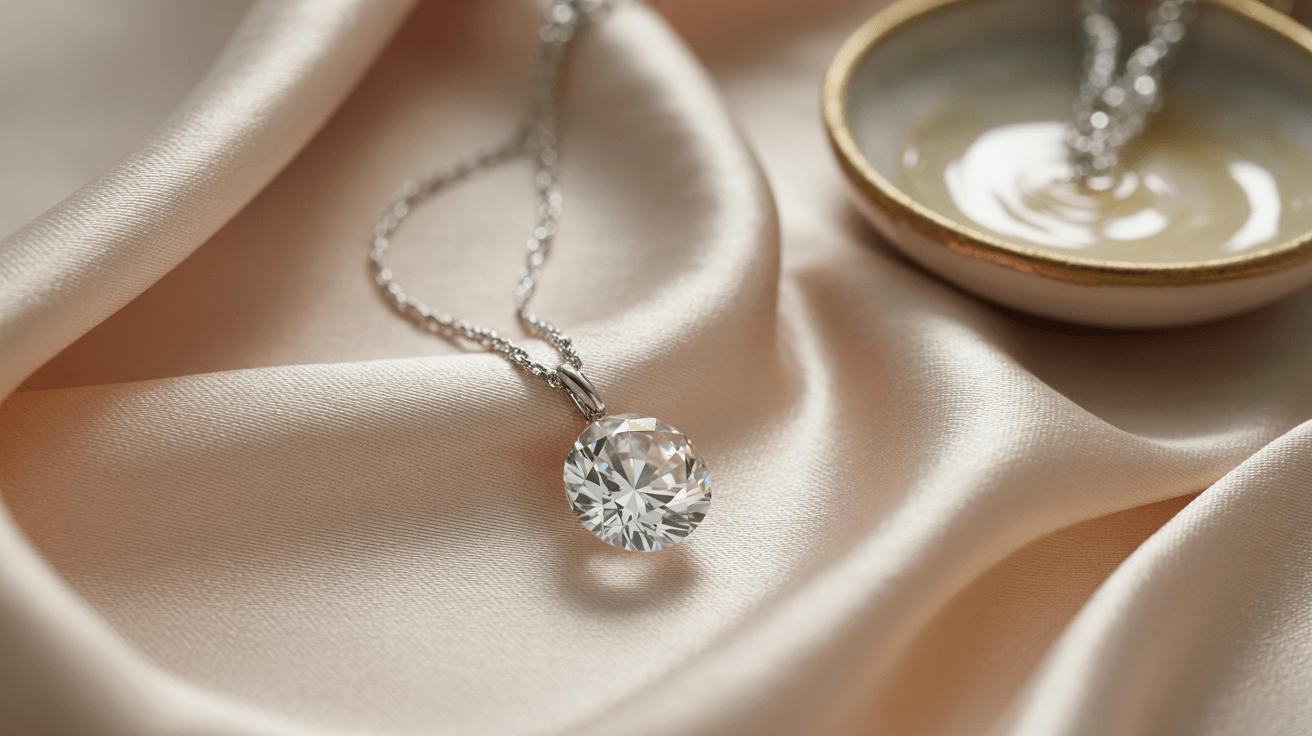
White gold maximises diamond sparkle by providing a neutral backdrop that doesn't compete with or tint the stone. The metal's silvery tone allows diamonds to reflect pure white light, enhancing brilliance. This is why most diamond engagement rings feature white gold or platinum settings.
However, this advantage diminishes with lower colour grades. For diamonds graded J-M (showing slight yellow tints), yellow gold actually provides better visual harmony by complementing rather than contrasting with the stone's warmth.
Yellow Gold & Colour Contrast
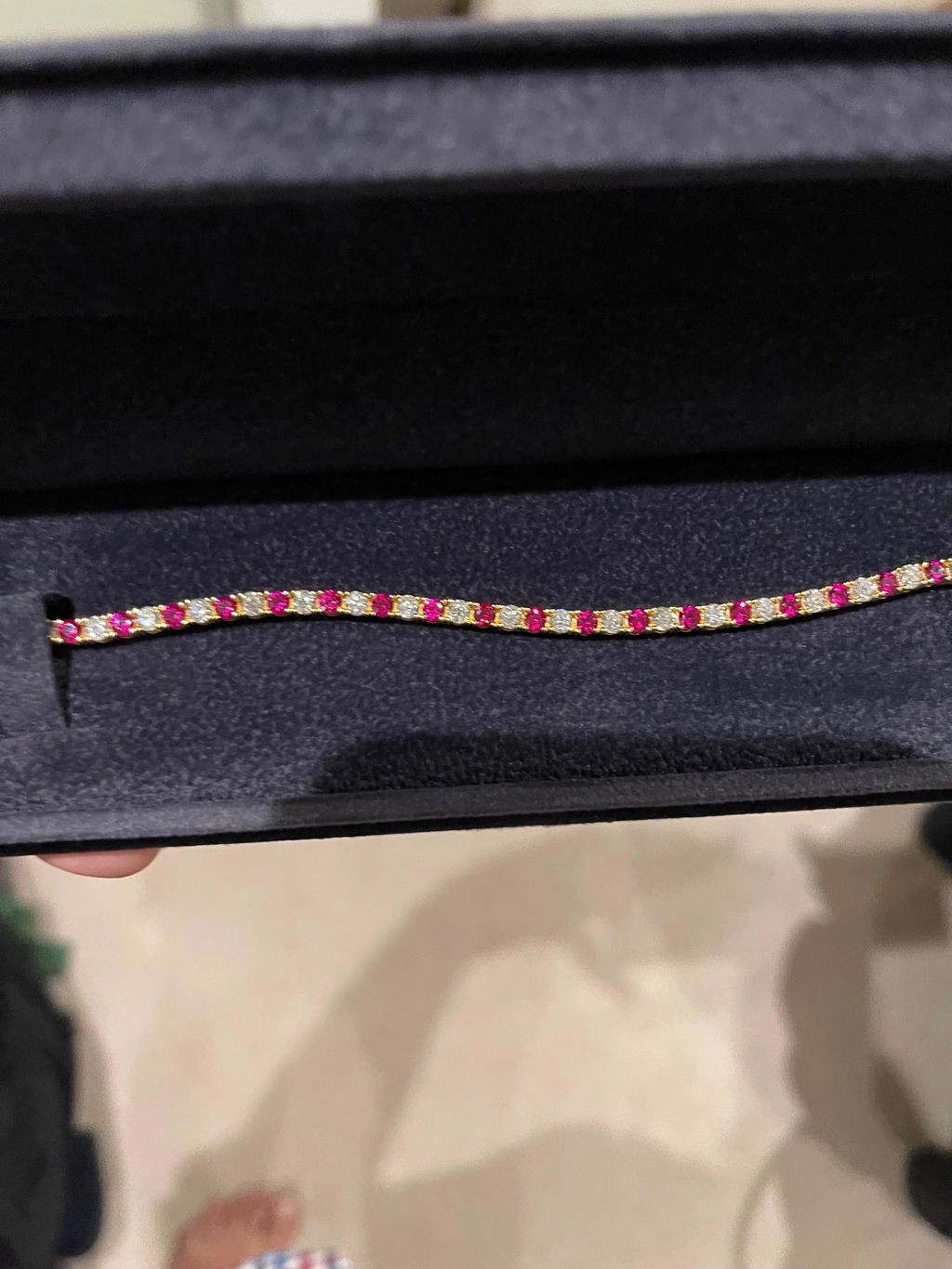
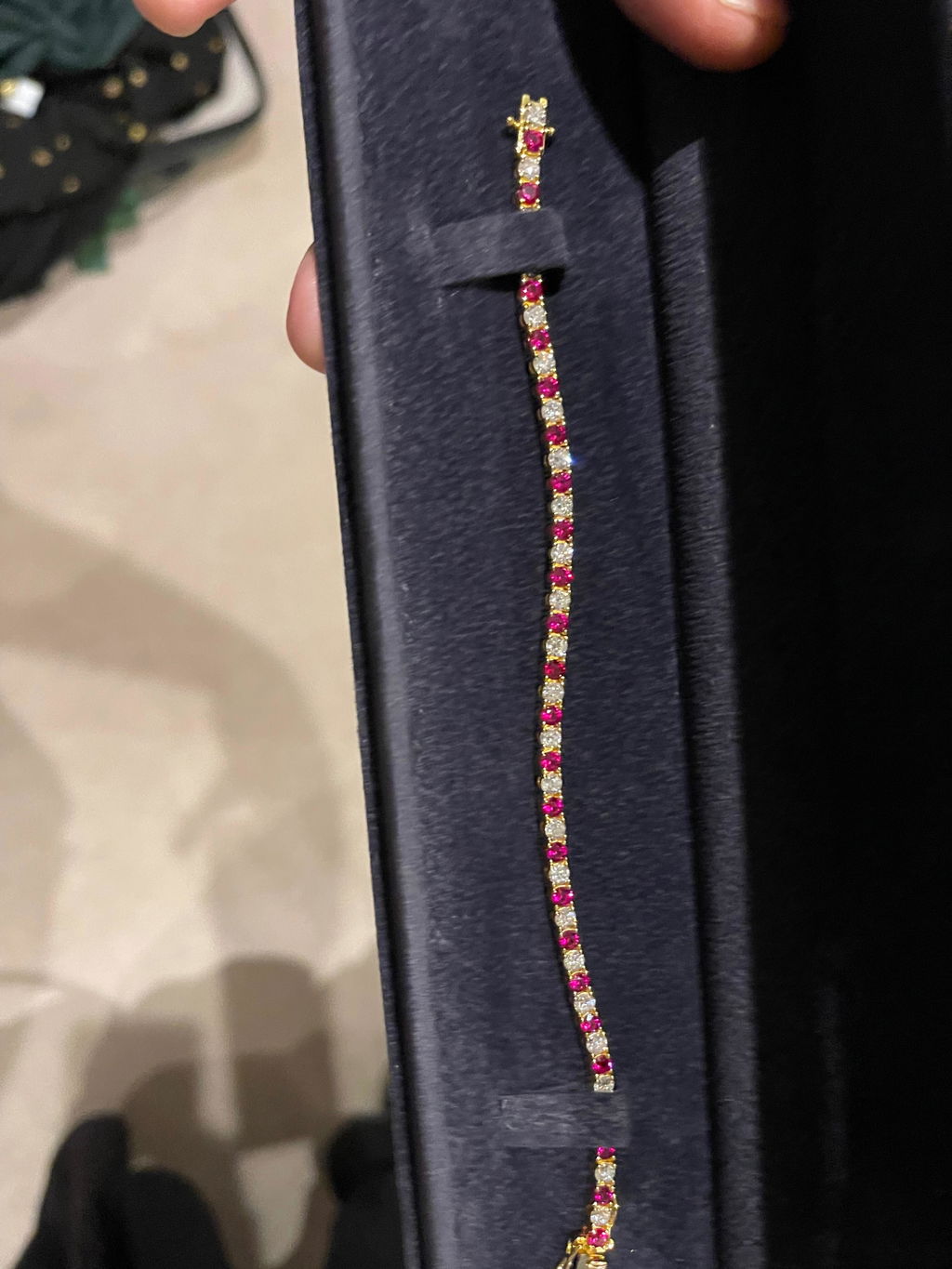
Yellow gold creates a magnificent contrast with coloured gemstones, particularly:
- Blue sapphires (stunning contrast)
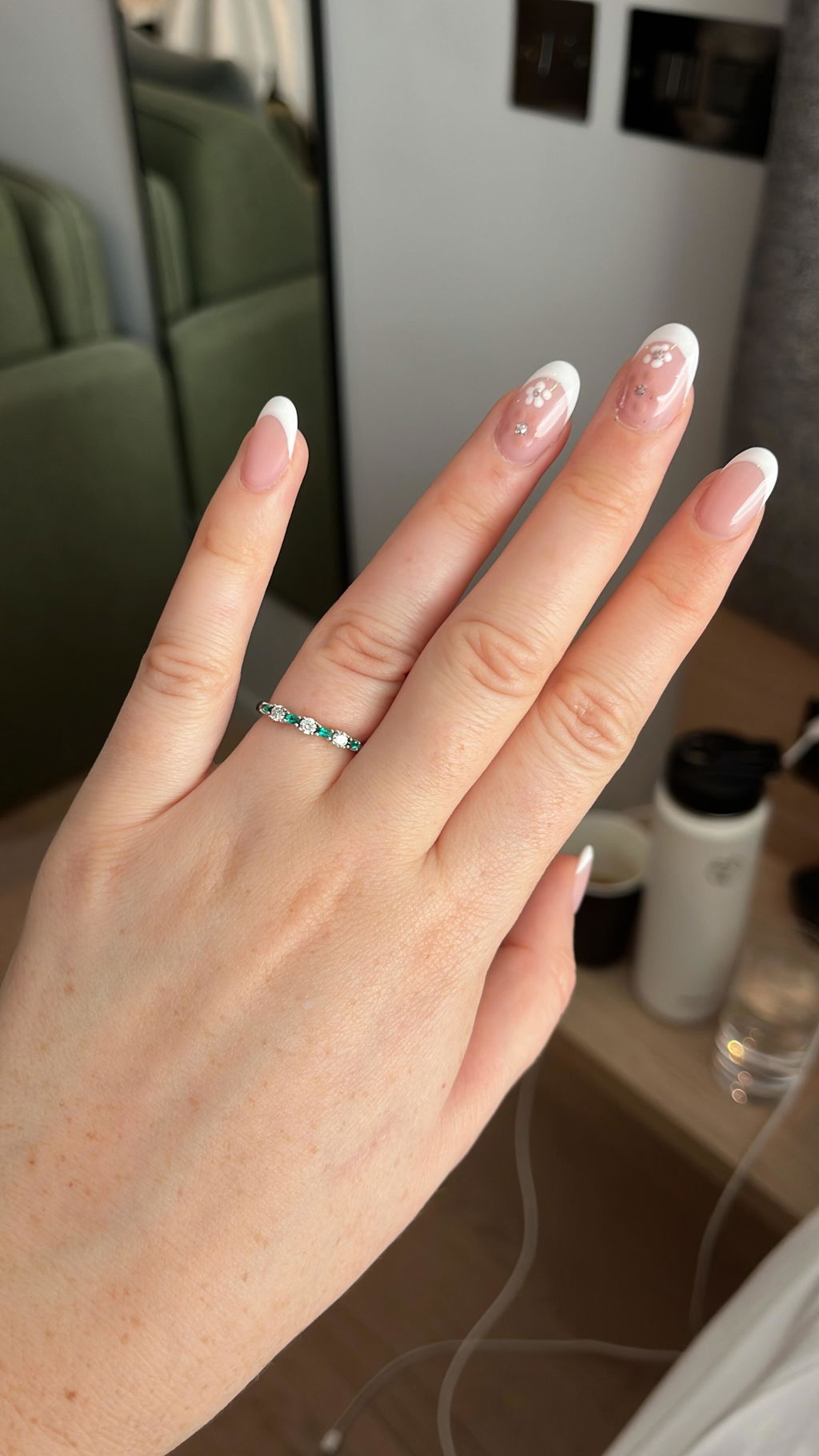
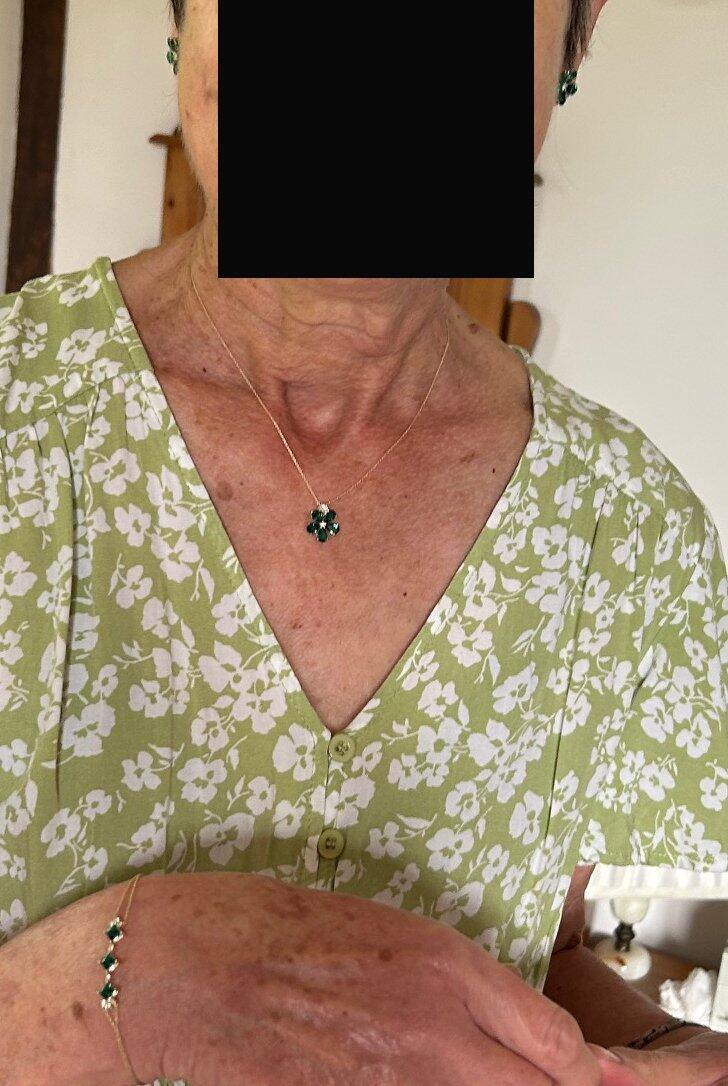
- Deep green emeralds (classic luxury)
- Rubies (regal, traditional pairing)
- Purple amethysts (vintage appeal)
The warm metal intensifies cool-toned stones' vibrancy. For vintage-style designs, yellow gold provides authentic period accuracy, as it dominated jewellery making until the late 20th century.
Rose Gold & Warm Gemstones
Rose gold pairs exquisitely with warm-toned gemstones:
- Morganite (perfect harmony)
- Champagne diamonds (cohesive warmth)
- Pink sapphires (romantic continuity)
- Garnets (vintage elegance)
Interestingly, rose gold also provides stunning contrast with blue sapphires and aquamarines, creating a warm-cool tension that feels both classic and contemporary.
Common Myths About Gold Colours (Debunked)
Let's address persistent misconceptions that confuse jewellery buyers and prevent informed decisions.
Myth: "White Gold Is Platinum"
Reality: White gold and platinum are entirely different metals. Platinum is a naturally white, dense metal that's rarer and more expensive than gold. White gold is gold alloyed with white metals and plated with rhodium to achieve a similar appearance. Whilst they look comparable when new, platinum doesn't require plating and develops a distinctive patina over time rather than needing colour maintenance.
Myth: "Rose Gold Isn't Real Gold"
Reality: Rose gold contains the exact same gold purity as white or yellow gold at equivalent karat ratings. An 18K rose gold ring contains 75% pure gold - identical to 18K white or yellow gold. The difference lies solely in the alloying metals (more copper, less silver) that create the pink hue. Rose gold is absolutely "real" gold with identical value.
Myth: "Yellow Gold Is Outdated and Old-Fashioned"
Reality: Yellow gold represents timeless elegance rather than dated styling. Whilst it experienced decreased popularity during the 1990s-2000s when white metals dominated, it has never ceased being a sophisticated, luxurious choice. Contemporary designers create stunningly modern pieces in yellow gold that feel fresh and current. Additionally, many of history's most iconic jewellery pieces - from royal crowns to Cartier's legendary designs - feature yellow gold, demonstrating its enduring prestige.
Myth: "Rose Gold Is Just a Passing Trend"
Reality: Whilst rose gold's mainstream popularity peaked recently, the metal itself has existed for over 200 years. Russian jewellers crafted rose gold pieces in the early 19th century, and Cartier famously incorporated it into the Trinity ring in 1924. Its current visibility reflects rediscovery rather than invention. Given this historical foundation, rose gold will likely remain a permanent jewellery option even as its market share fluctuates.
Myth: "You Can't Mix Gold Colours"
Reality: Mixed-metal jewellery has become not only acceptable but highly fashionable. Wearing white gold earrings with a yellow gold necklace, or stacking rings in different gold colours, creates visual interest and demonstrates confidence in personal style. The key is intentional mixing rather than accidental mismatching - choose pieces that clearly showcase different metals rather than trying to make them appear cohesive.
Trend Insights: Which Gold Colour Is Most Popular?
Current Popularity Rankings
White gold currently dominates the engagement ring market, with approximately 50-60% of couples choosing this metal for its modern, clean aesthetic. Its versatility with various diamond cuts and settings contributes to this leadership position.
Rose gold has experienced remarkable growth over the past decade, evolving from a niche preference to a mainstream favourite. Its unique colour appeals to buyers seeking individuality. Approximately 25-30% of engagement rings now feature rose gold.
Yellow gold claims about 15-20% of the contemporary market but shows signs of resurgence. Fashion influencers and celebrities increasingly showcase yellow gold pieces, particularly in vintage-inspired and maximalist styles.
Timeless vs Trend-Driven Choices
If you're concerned about your jewellery appearing dated, consider this: yellow gold has remained continuously wearable for over 4,000 years. Its status as the original precious metal ensures it never truly goes "out of style" - it simply experiences fluctuating popularity.
The most important consideration isn't what's trending - it's what resonates with your personal aesthetic. The right gold colour is the one you'll love wearing in 5, 10, and 20 years, regardless of temporary fashion cycles.
How to Choose the Right Gold Colour: Your Decision Checklist
Apply this systematic approach to identify your ideal gold colour.
- Assess Your Skin Tone
- Cool undertones → White gold or rose gold
- Warm undertones → Yellow gold or rose gold
- Neutral undertones → Any colour works; choose by preference
- Consider Your Lifestyle & Wear Patterns
- Daily rough wear (construction, gardening, sports) → Rose gold for maximum durability
- Office/gentle daily wear → Any colour suitable; choose by aesthetic
- Occasional special occasion wear → Prioritise appearance over durability.
- Evaluate Your Maintenance Tolerance
- Minimal maintenance desired → Yellow gold or rose gold
- Willing to invest in periodic professional care → White gold acceptable
- Want to avoid all ongoing costs → Yellow gold or rose gold strongly preferred.
- Set Your Total Budget (Including Long-Term Costs)
- Tight budget → Yellow gold or rose gold (no replating costs)
- Moderate budget with maintenance allocation → White gold viable
- Investment piece perspective → Consider all colours.
- Identify Your Jewellery Type & Gemstone
- Diamond solitaire → White gold maximises brilliance.
- Coloured gemstone → Yellow or rose gold creates a beautiful contrast.
- Vintage-inspired design → Yellow gold provides authenticity
- Contemporary minimalist style → White or rose gold suits modern aesthetic
- Honour Your Personal Style
- Classic, traditional preferences → Yellow gold
- Modern, contemporary tastes → White gold
- Romantic, unique sensibilities → Rose gold
- Think Long-Term. Ask yourself: Will I still love this metal colour in 10 years? If uncertain, yellow gold's timelessness provides the safest choice.

Frequently Asked Questions
Is white gold better than yellow gold?
No, neither is objectively better. White gold offers contemporary style and brilliant diamond enhancement but requires periodic rhodium replating (£40-100 every 1-3 years). Yellow gold provides timeless warmth, zero maintenance, and historical prestige. Choose based on your skin tone, style preferences, and maintenance tolerance rather than perceived superiority.
Does rose gold fade over time?
No. Rose gold does not fade because its colour comes from copper mixed throughout the metal, not a surface coating. Over time, it may develop a slightly deeper tone due to copper oxidation, which many people find appealing and which enhances its vintage character.
Which gold is best for everyday wear?
Rose gold offers the best scratch resistance due to copper's hardness, making it ideal for rings and bracelets. 14K yellow gold provides excellent durability with minimal maintenance. White gold works well but needs rhodium replating every 1-3 years. For truly no-maintenance daily wear, rose gold and yellow gold are superior choices.
Is white gold harder to maintain than other gold colours?
Yes, significantly. White gold requires professional rhodium replating every 1-3 years (£40-100 per session) to maintain its bright, silvery appearance. This adds £200-500 in costs over 10 years. Yellow and rose gold need only occasional cleaning and polishing (£20-40 every few years), making them substantially lower-maintenance options.
Which gold colour is most expensive?
At identical karat weights, white gold, yellow gold, and rose gold cost approximately the same initially. However, white gold becomes more expensive over time due to rhodium replating costs (£200-500 over 10 years). Yellow and rose gold have minimal long-term costs (£60-120 over 10 years), making them more economical choices for lifetime ownership.
Can I mix different gold colours?
Absolutely. Mixed-metal styling is increasingly popular and sophisticated. You can wear white gold earrings with a yellow gold bracelet, stack rings in different gold colours, or choose jewellery designed to combine multiple gold tones. The key is wearing mixed metals confidently and intentionally, which adds visual interest and allows you to enjoy pieces regardless of their metal colour.
Final Verdict: Which Gold Should You Choose?
The ideal gold colour isn't determined by objective superiority but by personal alignment - with your colouring, your lifestyle, your aesthetic sensibilities, and your long-term vision for your jewellery.
Choose white gold if you love contemporary, sleek aesthetics, want to maximise diamond brilliance, and don't mind periodic professional maintenance. It's the modern classic that dominates current engagement ring trends.
Choose yellow gold if you appreciate timeless tradition, want zero-maintenance luxury, and possess warm undertones that yellow gold beautifully complements. It's the original precious metal with 4,000 years of proven appeal.
Choose rose gold if you seek distinctive warmth, appreciate romantic vintage styling, need maximum durability for daily wear, and want something that feels both classic and contemporary. It's the unique option that has transcended trend status to claim permanent jewellery relevance.
Remember: there's no universal "best" choice, only the right choice for you. Trust your instincts, consider practical factors like maintenance and durability, and select the metal that makes you feel most confident and beautiful.
Explore how each gold colour brings its unique character to rings, necklaces, bracelets, and earrings. Whether you choose the modern elegance of white gold, the timeless warmth of yellow gold, or the romantic allure of rose gold, you're investing in jewellery designed to be treasured for a lifetime.