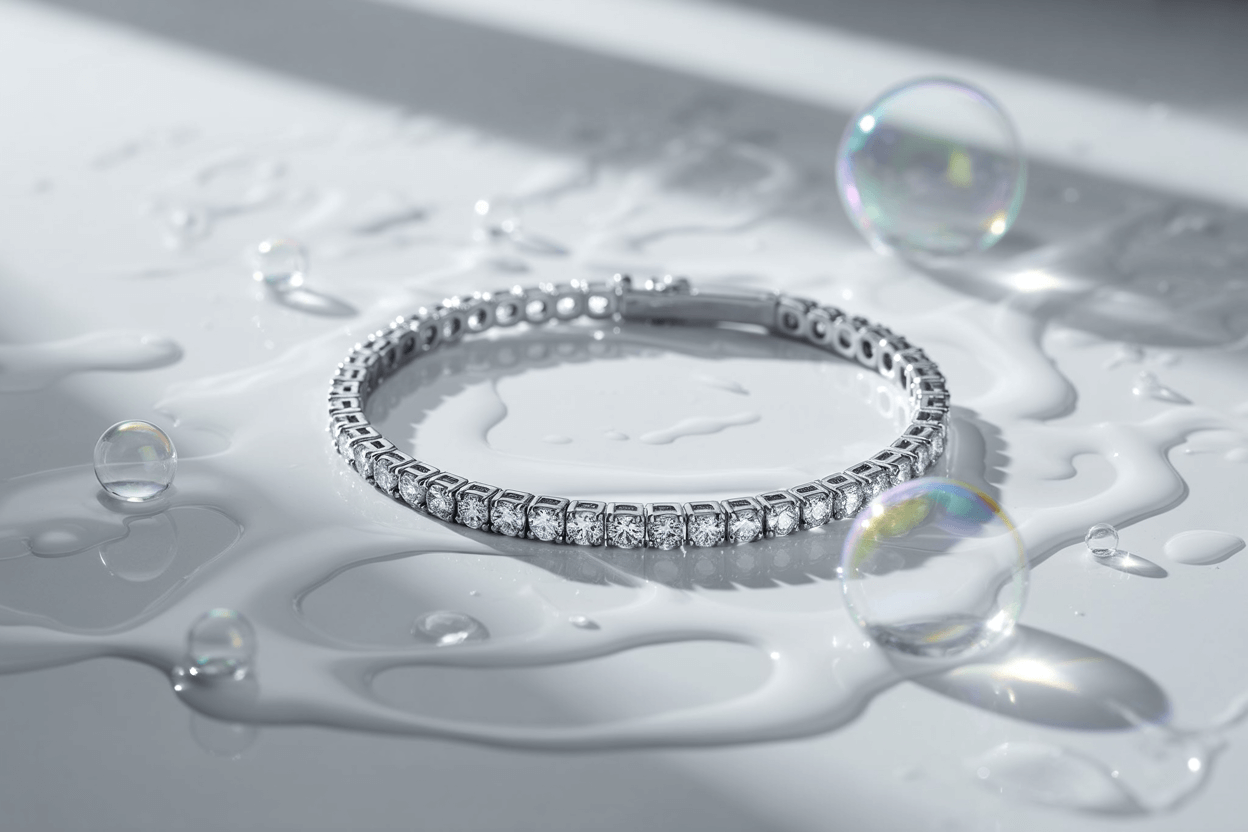
How to Clean and Care for Your Lab Grown Diamond Bracelet
"Proper care reveals your diamond's true brilliance"
This wisdom rings especially true for lab grown diamond bracelets that grace your wrist daily.
Research shows that properly maintained diamond jewellery retains up to 90% more sparkle compared to neglected pieces, making regular care not just an aesthetic preference but essential preservation. And beyond care, learn why a lab grown diamond bracelet is the perfect gift in today’s world of ethical luxury
Your lab-grown diamond bracelet represents more than just beautiful jewellery—it's a symbol of your refined taste and commitment to ethical luxury.
Whether you own a delicate tennis bracelet or a statement piece, maintaining its brilliant sparkle requires proper care and attention.
Lab created diamond bracelets possess the same stunning optical properties as natural diamonds, but they deserve specialised care to preserve their exceptional beauty.
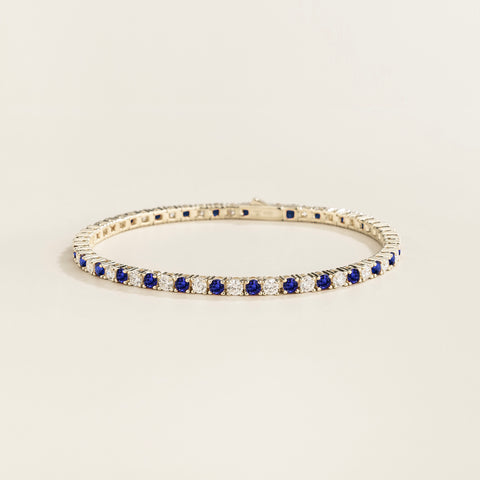
This comprehensive guide will teach you exactly how to clean lab grown diamond bracelet pieces at home, when to seek professional help, and essential storage tips that protect your investment.
Why Regular Cleaning Matters
Impact of Daily Wear on Diamond Shine
Even the most pristine lab grown diamond bracelet faces constant exposure to elements that diminish its sparkle throughout daily wear.
Body lotions, perfumes, soap residue, and natural skin oils create a thin film over diamond surfaces, reducing their ability to refract light effectively.
This buildup is particularly problematic for bracelets since they sit directly against your wrist, where they encounter moisturisers and sweat throughout the day.
Unlike other jewellery pieces that might only face occasional contact with these substances, your cleaning lab grown diamond bracelet routine becomes essential because bracelets experience continuous exposure.
The intricate settings of tennis bracelets and delicate link designs can trap particles of dirt, dead skin cells, and cosmetic products between stones.
Over time, this accumulation creates a dull appearance that masks the exceptional brilliance lab created diamonds are known for.
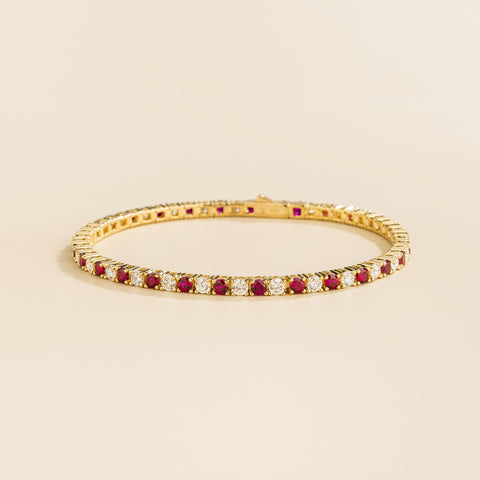
Benefits of Routine Maintenance
Establishing a regular care routine for lab grown diamond bracelets delivers both immediate and long-term benefits that extend far beyond surface-level sparkle.
Consistent cleaning preserves the structural integrity of your bracelet's setting, preventing the buildup of debris that can loosen prongs or weaken clasps.
This proactive approach significantly reduces the risk of losing precious stones and maintains the overall security of your piece.
Professional jewellers consistently emphasise that well-maintained lab created diamond bracelets retain their value better than neglected pieces.
Regular cleaning also allows you to inspect your bracelet for potential issues, such as loose stones, worn prongs, or damaged links, before they become serious problems.
The confidence that comes from wearing a brilliantly clean diamond bracelet enhances your overall appearance and ensures your ethical jewellery choice continues to make the impression you intended.
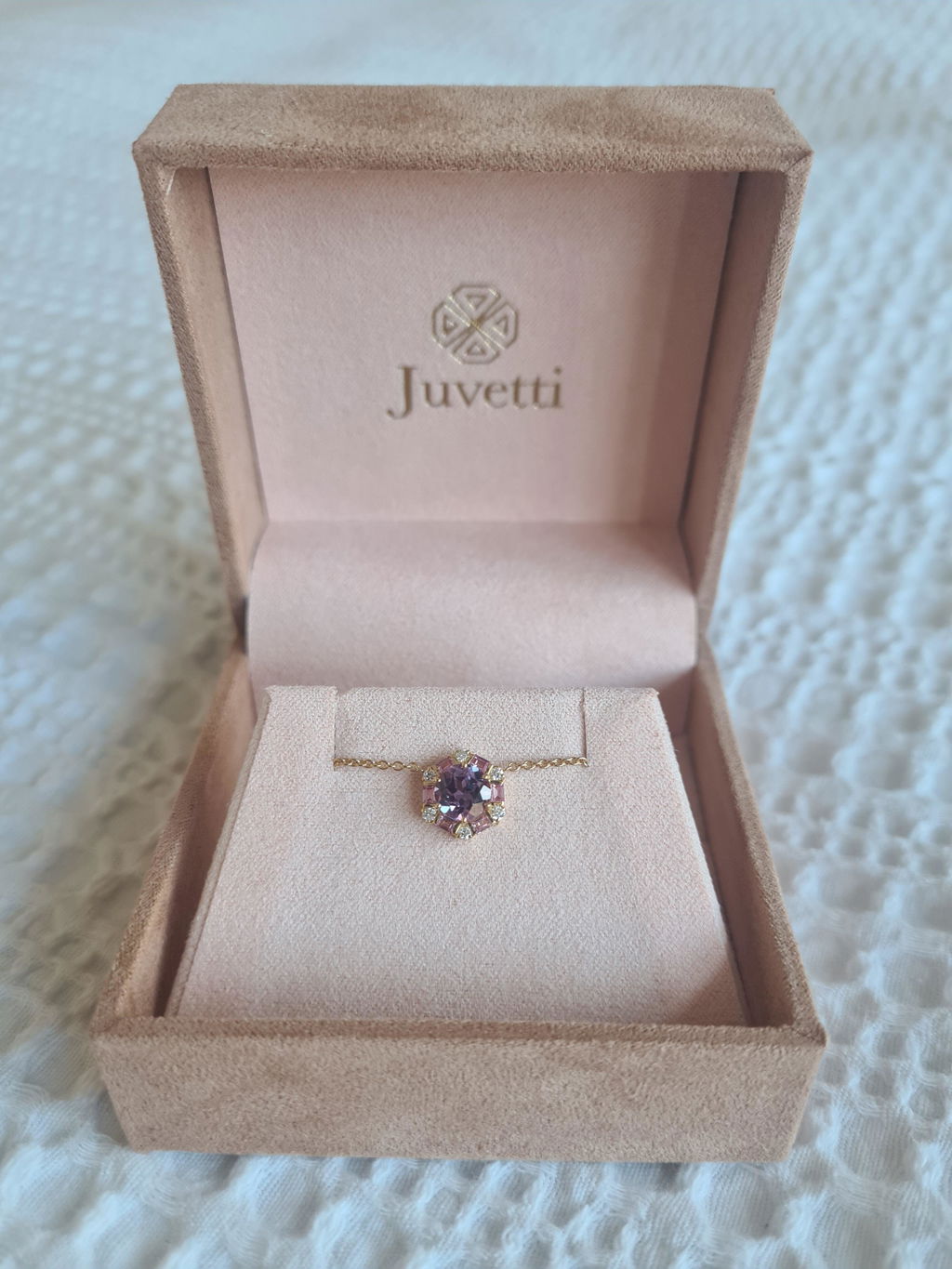
Juvetti often provide detailed care guides with their bracelets, recognising that proper maintenance is essential for preserving both beauty and the ethical values their pieces represent.
Safe Home Cleaning Methods
Using Mild Dish Soap and Warm Water
The most effective and safest method for home care of your lab grown diamond bracelet involves simple ingredients you likely already have in your kitchen.
Mild dish soap, specifically designed to cut through grease, works perfectly for removing the oil-based residues that commonly accumulate on diamond jewellery.
This gentle approach respects the delicate nature of your bracelet's setting while effectively restoring its original sparkle.
Create your cleaning solution by mixing one teaspoon of mild dish soap with one cup of warm water in a small bowl.
The water temperature should be comfortably warm to the touch—never hot enough to cause thermal shock to the stones or metals.
This temperature balance ensures effective cleaning while protecting both the lab grown diamonds and the precious metal components of your bracelet from unnecessary stress.
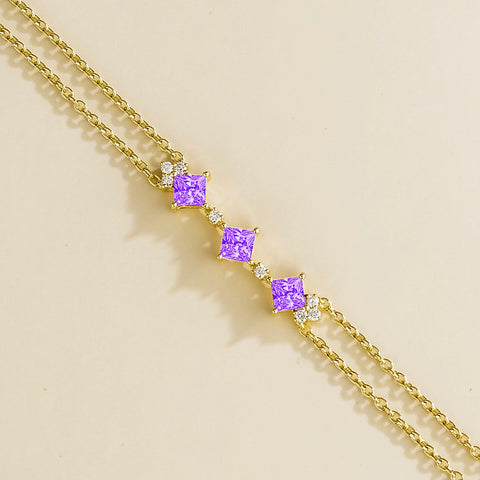
Tools Needed: Soft-bristled toothbrush, Lint-Free Cloth
Successful cleaning of lab grown diamond bracelets requires the right tools to achieve professional-level results without causing damage.
A soft-bristled toothbrush serves as your primary cleaning instrument, with bristles gentle enough to protect delicate areas while being firm enough to dislodge stubborn buildup.
Choose a toothbrush specifically designated for jewellery cleaning to avoid transferring toothpaste residue or bacteria to your precious piece.
Complement your toothbrush with high-quality lint-free cloths designed for jewellery care. These specialised cloths prevent scratching whilst absorbing moisture effectively during the drying process.
Microfibre cloths work exceptionally well for this purpose, though jewellery-specific polishing cloths offer superior results.
Premium brands like Juvetti often include professional-grade cleaning cloths with their bracelets to ensure customers have the proper tools for at-home maintenance, reflecting their commitment to long-term customer satisfaction and jewellery preservation.
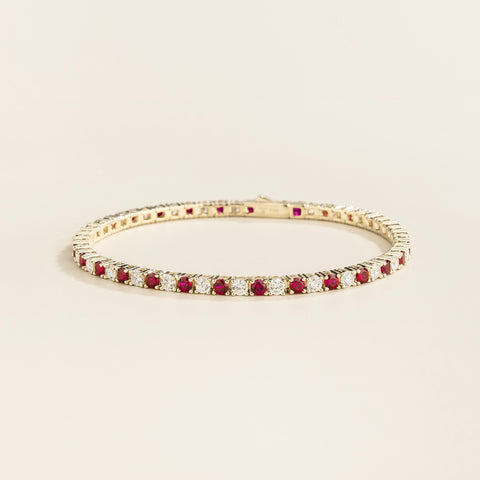
Step-by-Step Cleaning Guide
Begin your lab-created diamond bracelet maintenance routine by soaking the piece in your prepared, warm, soapy water for 10-15 minutes.
This initial soaking softens the accumulated buildup, making the subsequent cleaning process more effective and gentler on your bracelet.
During this time, the soap solution penetrates between stones and into crevices where debris typically accumulates.
After soaking, use a soft-bristle toothbrush to clean each diamond and its surrounding setting gently.
Work systematically around the bracelet, paying special attention to the areas where stones meet their settings, as these spaces tend to harbour the most buildup.
Use circular motions with light pressure, allowing the bristles to do the work rather than forcing them against the metal or stones.
Rinse your bracelet thoroughly under lukewarm running water, ensuring all soap residue is completely removed.
Any remaining soap can create a film that attracts more dirt and reduces sparkle.
Finally, pat the bracelet dry with your lint-free cloth and allow it to air dry completely before storing or wearing.
| Care Aspect | At-Home Care | Professional Care |
|---|---|---|
| Cleaning Frequency | Weekly (daily wear) Every 2–3 weeks (occasional wear) |
Every 6–12 months |
| Method | Mild dish soap + warm water Soft-bristle toothbrush |
Ultrasonic cleaning Steam cleaning Professional polishing |
| Tools Needed | Small bowl, soap, soft toothbrush, lint-free cloth | Jeweller’s specialised equipment |
| Benefits | Maintains daily sparkle Removes lotions, oils & dirt Prevents buildup |
Deep cleaning Detects loose stones & worn prongs Restores original brilliance |
| When To Choose | For regular upkeep and quick sparkle renewal | If stones look dull, prongs are loose, or before special occasions |
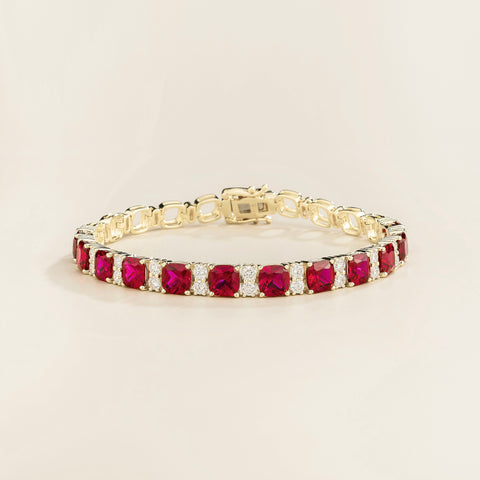
Professional Cleaning Options
When to Seek Professional Help
While regular home cleaning maintains your lab-grown diamond bracelet's daily sparkle, professional cleaning services provide a deep clean that home methods cannot achieve.
Schedule professional cleaning for your lab created diamond bracelet every six to twelve months, depending on how frequently you wear it.
Daily wearers benefit from professional attention twice a year, while occasional wear pieces require professional care annually.
Professional intervention becomes immediately necessary when you notice loose stones, damaged prongs, or significant scratching on the metal components. These issues require expertise beyond home cleaning and should never be addressed through DIY methods.
Additionally, if your home cleaning efforts fail to restore your bracelet's original brilliance, professional jewellers have access to specialised equipment and techniques that can revitalise even heavily soiled pieces.
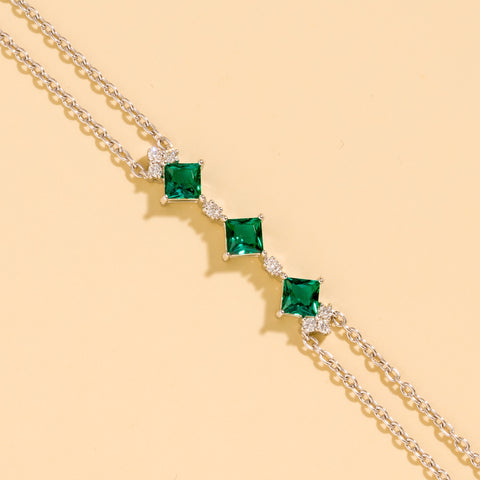
Methods Used by Jewellers (e.g., Ultrasonic Cleaning)
Professional jewellers employ sophisticated cleaning methods that surpass home care capabilities, with ultrasonic cleaning being the most common and effective technique.
Ultrasonic cleaners use high-frequency sound waves to create microscopic bubbles in cleaning solution, which implode and create decisive cleaning action that reaches every crevice of your bracelet's design.
Steam cleaning represents another professional method that uses pressurised steam to remove stubborn residues and thoroughly sanitise your jewellery.
This technique is particularly effective for intricate bracelet designs where traditional cleaning methods struggle to reach all surfaces.
Professional jewellers also have access to specialised polishing compounds and techniques that can restore the metal components of your bracelet to their original lustre, complementing the brilliance of your lab grown diamonds perfectly.
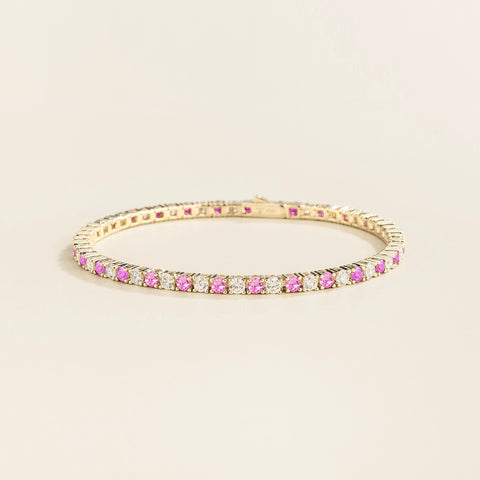
Storage and Handling Tips
Proper Storage Solutions
Protecting your lab grown diamond bracelet during storage periods is crucial for maintaining its condition and preventing unnecessary damage. Individual soft cloth pouches provide the ideal storage environment, preventing your bracelet from rubbing against other jewellery pieces that could cause scratching.
These pouches also protect against dust accumulation and provide a dedicated space that makes locating your bracelet effortless.
Many ethical jewellery brands, including Juvetti, provide bespoke storage pouches with their pieces, ensuring that your sustainable luxury investment remains protected even when not being worn.
Sectioned jewellery boxes offer another excellent storage solution, particularly for collectors with multiple bracelets or extensive jewellery collections.
Each compartment should be lined with soft fabric and sized appropriately to prevent your bracelet from moving around excessively.
Avoid storing multiple bracelets in the same compartment, as even gentle contact between pieces can result in scratching over time.
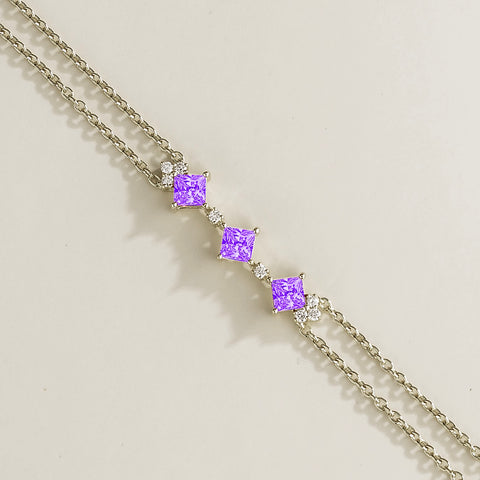
Avoiding Damage During Daily Activities
Understanding when to remove your cleaning lab grown diamond bracelet helps prevent damage and reduces the frequency of deep cleaning needed.
Remove your bracelet before engaging in activities that involve harsh chemicals, including household cleaning, swimming in chlorinated pools, or applying beauty products like hairspray and perfume.
These substances can affect both the diamonds and the metal components of your piece.
Physical activities pose another category of risk that bracelet wearers should consider carefully.
Remove your lab created diamond bracelet before exercising, gardening, or engaging in sports to prevent impact damage and reduce exposure to excessive moisture and dirt.
This protective approach significantly extends the time between professional cleanings while preserving the structural integrity of your bracelet.
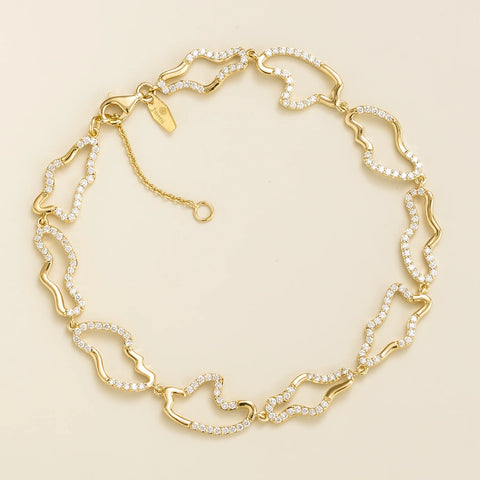
Common Mistakes to Avoid
Using Harsh Chemicals
One of the most damaging mistakes in lab grown diamond bracelet care involves using household cleaning products that contain harsh chemicals.
Bleach, ammonia, and chlorine-based cleaners can permanently discolour precious metals and damage the structural integrity of your bracelet's setting.
These chemicals are particularly harmful to gold alloys commonly used in high-end jewellery, causing pitting and discolouration that require expensive professional restoration.
Similarly, avoid using commercial jewellery cleaners that contain harsh abrasives or strong acids.
Whilst these products might promise quick results, they often cause more harm than benefit, particularly to delicate bracelet settings.
Proper cleaning techniques emphasise gentle, soap-based solutions that protect both your lab grown diamonds and their precious metal settings.
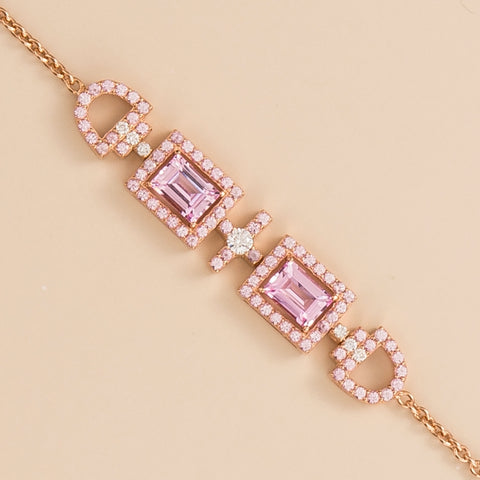
Neglecting Regular Inspections
Many bracelet owners focus solely on cleaning while overlooking the importance of regular structural inspections.
Examine your lab created diamond bracelet monthly for signs of wear, including loose stones, bent prongs, or weakened clasps.
These issues develop gradually and are much easier to address when caught early, preventing the heartbreak and expense of losing precious stones.
Pay particular attention to the bracelet's clasp mechanism, as this component experiences the most stress during regular wear.
Look for signs of wear in the clasp's springs or locking mechanisms, and ensure all diamonds remain securely seated in their settings.
Professional maintenance guides recommend combining these inspections with your regular cleaning routine to maintain both the beauty and security of your jewellery.
Final Words
Proper care for your lab grown diamond bracelet ensures that this symbol of ethical luxury continues to sparkle with the same brilliance that first attracted you to sustainable jewellery.
The combination of regular home cleaning, appropriate storage, and periodic professional maintenance creates a comprehensive care routine that protects your investment whilst preserving its emotional significance.
Remember that the gentle cleaning methods and protective handling practices outlined in this guide respect both the exceptional quality of lab created diamonds and the skilled craftsmanship of your bracelet's setting.
By adopting these maintenance habits, you're not just preserving a piece of jewellery—you're protecting a testament to your values and style that will continue dazzling for generations to come.
Frequently Asked Questions
Can I clean my lab grown diamond bracelet at home?
Yes, you can safely clean your lab grown diamond bracelet at home using mild dish soap, warm water, and a soft-bristle toothbrush. This gentle method effectively removes daily buildup without risking damage to the stones or setting. Home cleaning is generally sufficient for regular maintenance, although professional cleaning every 6-12 months offers a deeper level of care that home methods cannot achieve. Always avoid harsh chemicals and abrasive materials during home cleaning sessions.
How often should I clean my lab grown diamond bracelet?
For bracelets worn daily, clean them weekly with the gentle soap and water method described above. Bracelets worn occasionally require cleaning every 2-3 weeks or after exposure to lotions, perfumes, or other substances that can dull their sparkle. Professional cleaning should occur every 6-12 months, depending on the frequency of wear. Regular cleaning prevents buildup that becomes more difficult, maintaining the sparkle that lab grown diamonds are known for.
What should I avoid when cleaning my lab grown diamond bracelet?
Never use bleach, ammonia, chlorine, or harsh household cleaners on your lab grown diamond bracelet, as these chemicals can damage both the stones and metal components. Avoid abrasive materials, ultrasonic cleaners not designed for jewellery, and extremely hot water that could cause thermal shock. Avoid using old toothbrushes that may have toothpaste residue, and never clean your bracelet over an open drain, where it could be lost if dropped.
How do I know if my lab grown diamond bracelet needs professional cleaning?
Your bracelet needs professional attention if home cleaning fails to restore its original sparkle, if you notice loose stones or damaged prongs, or if the metal appears tarnished or scratched. Additionally, if your bracelet hasn't received professional cleaning in over a year, it's time to visit a qualified jeweller. Professional cleaning is also recommended before special occasions when you want your bracelet to look its absolute best.
Can lab grown diamond bracelets be cleaned the same way as natural diamond bracelets?
Yes, lab grown diamond bracelets require the same care as natural diamond bracelets, as they share the same chemical, physical, and optical properties. The cleaning methods, storage requirements, and maintenance schedules are identical. Lab-created diamonds respond to cleaning techniques identically to natural stones, maintaining the same brilliant sparkle and fire when correctly cared for.
What's the best way to store my lab grown diamond bracelet?
Store your lab grown diamond bracelet in an individual soft cloth pouch or a sectioned jewellery box to prevent scratching from contact with other pieces. Please keep it in a cool, dry place, away from direct sunlight and extreme temperatures. Avoid storing multiple bracelets together in the same compartment, and ensure the storage area is clean and dust-free to minimise cleaning frequency.
Keep Your Lab Grown Diamond Bracelet Sparkling Like New
Proper care ensures your sustainable luxury piece maintains its ethical beauty for years to come. At Juvetti, we provide detailed care instructions with every bracelet purchase, along with professional-grade cleaning cloths to help you maintain that perfect sparkle at home. Our commitment extends beyond the initial sale—we believe in supporting our customers throughout their jewellery journey. Contact our experts for personalised care advice or to schedule professional cleaning services for your treasured piece.