We have yet to achieve an ethical and sustainable mine-to-market supply chain, despite increasing pressure on the mining industry.
Although mining companies are expected to adhere to rehabilitation and environmental codes, violations are common. In addition to the well-known issues from large-scale mining operations, an estimated 80% of small-scale mining operations globally are illegal and unmonitored. (source)
The environmental impacts of mining occur at local, regional and global scales, resulting in water and soil contamination, damage to human health, wildlife destruction and permanent land obliteration.
Community mistreatment and labour conditions
There are familiar ethical issues in the mining industry, such as extremely dangerous working conditions, slavery, child labour and human trafficking. In South Africa alone in 2015, hundreds of workers died due to collapsing mines, gas explosions and turf wars between the criminal syndicates that have seized control of the mines. (source)
Mining also changes social dynamics and causes community division. Developing communities are potentially exposed to harassment by the mine or beneficiary bodies. Local residents are often forcibly displaced to make way for the mine, and most miners are trapped in cycles of poverty, leading to community impoverishment. (source)
Water and land contamination
Mining operations destroy landscapes and create huge amounts of heavy metal and toxic waste. Heavy metals released, such as arsenic, lead, cadmium, mercury and cobalt, are highly toxic even in minor quantities.
Iron sulphide found alongside valuable metals and gemstones causes acid mine drainage, releasing acidic water from the mines that can be 20 to 300 times more acidic than acid rain and can burn human skin and kill aquatic life. The acidic water drains into surface water and seeps into groundwater. (source)
Land obliteration
Surface mining destroys natural land features such as forests, mountain tops, lakes and riverbanks. Underground mining triggers sinkholes, which are detrimental to urban development and wildlife. Sediment released through soil erosion smothers stream beds, increasing the risk of flash flooding, and tree roots diverted from deeper, contaminated soil layers increase the risk of landslides.
Remediation efforts do not always restore the area, and species may be lost permanently. (source)
Damage to human health
Plants and animals accumulate heavy metals from water and soil, which then enter the human food chain. Heavy metals cause neurological and kidney damage. In 2019, an investigation in the US found that 95% of baby foods tested contained toxic chemicals that lower babies’ IQ. (source)
Heavy metals and toxic chemicals from mines can enter the body through food, water, air and the skin, and inhaling airborne particles damages the respiratory system.
Wildlife destruction
Huge areas of natural habitat are destroyed during mine construction and operation, forcing animals to leave. High concentrations of toxic chemicals and acidic water threaten aquatic life and the species that depend on it for food. In Peru, illegal gold mining is thought to destroy 50,000–100,000 square metres of protected rainforest every day. In South Africa, acid mine drainage has been documented coating hippos at the Krugersdorp Game Reserve. (source)
Our choice
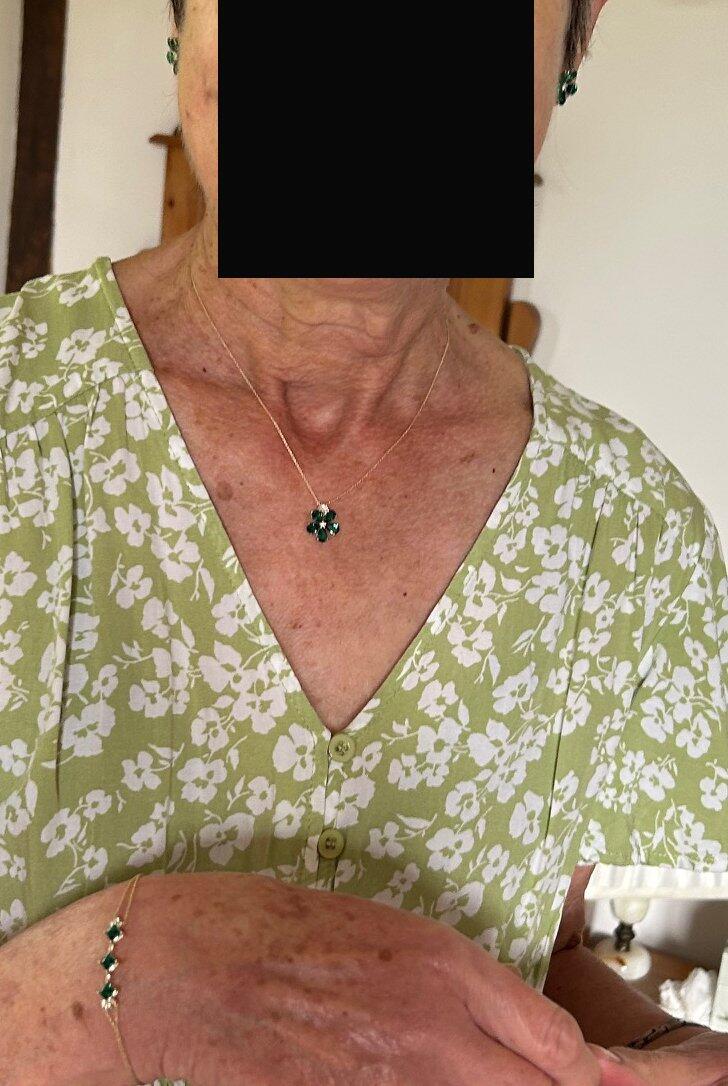
At Juvetti, we opted out of mining. Our jewellery is made with gemstones grown in labs powered by renewable energy, and with recycled gold and silver. Join us to protect our beautiful world for ourselves and the next generation.
Explore our fine jewellery