Expert Guide to Oval Cut Lab-Grown Diamonds With Juvetti London
What Makes Oval Lab Diamonds So Special?
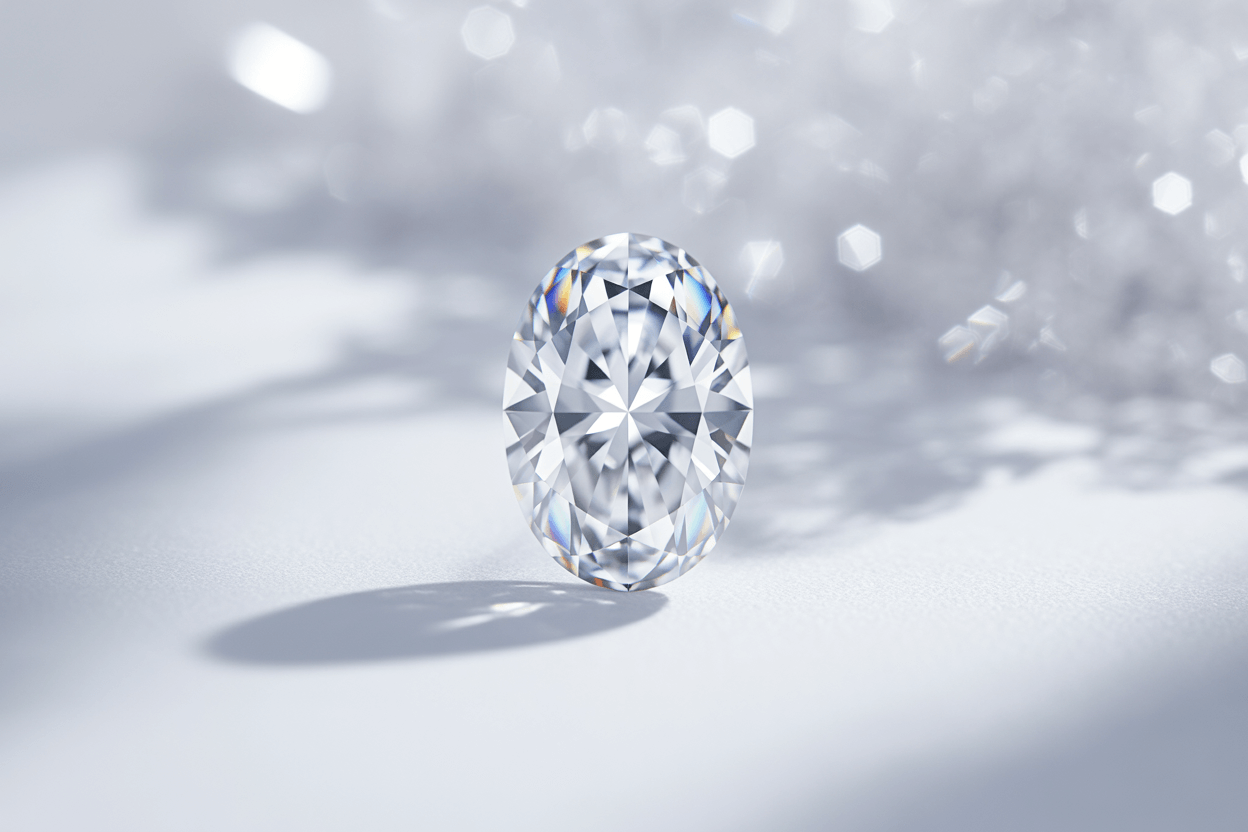
Oval lab diamonds capture something truly magical—the perfect balance between classic beauty and modern innovation. These stunning gems feature an elongated brilliant cut that delivers all the sparkle and fire of a round diamond whilst offering a distinctive, graceful silhouette that feels both timeless and refreshingly contemporary.
Here's what makes them genuinely remarkable: oval lab diamonds are chemically, physically, and optically identical to their mined counterparts. Created using the same conditions that form natural diamonds deep within the Earth, these gems possess identical hardness, brilliance, and fire—but without the environmental and ethical concerns of traditional mining.
The beauty of choosing lab-grown diamonds extends beyond their stunning appearance. At Juvetti, we're passionate about sustainable luxury that doesn't compromise on quality. Every oval diamond in our collection represents a conscious choice—one that supports responsible practices whilst delivering the exceptional beauty you deserve.
The oval shape itself tells a compelling story. Its elongated form creates movement and grace, making it an exceptional choice for those who appreciate classic elegance with a contemporary twist. Unlike round lab diamonds, which offer traditional symmetry, ovals provide a unique silhouette that stands apart from conventional choices.
With our collection spanning from accessible £250 pieces to premium £6,560 specimens, there's an oval lab diamond perfectly suited to your budget and dreams.
How Lab-Grown Diamonds Are Actually Made
The Fascinating Process Behind Lab Diamond Creation
Creating lab-grown diamonds involves recreating one of nature's most extraordinary processes in a controlled environment. Two primary methods dominate the industry, each producing diamonds that rival the finest natural specimens in every measurable way.
High-Pressure High-Temperature (HPHT) technology recreates the Earth's mantle in a laboratory. Carbon is subjected to temperatures exceeding 1,500°C and pressures of over 50,000 atmospheres—the same extreme conditions that create natural diamonds over millions of years. This method produces diamonds with exceptional clarity and colour consistency, often with fewer inclusions than their natural counterparts.
Chemical Vapour Deposition (CVD) represents a more recent breakthrough. Carbon-rich gases are heated to create plasma, allowing carbon atoms to settle onto a diamond substrate layer by layer. This technique offers remarkable control over the diamond's characteristics, resulting in gems with predictable properties and impressive purity.
Both methods produce diamonds with identical physical properties to mined stones: the same hardness (10 on the Mohs scale), identical refractive index, and the same spectacular brilliance that has captivated people for centuries.
Why Smart Buyers Are Choosing Lab-Grown Diamonds
The advantages of lab-grown diamonds extend well beyond environmental consciousness, though that remains compelling. Value represents the most immediate benefit—lab-grown diamonds typically cost 30-40% less than comparable mined stones, meaning you can either save significantly or invest in a larger, higher-quality diamond for the same budget.
Consistent quality offers another major advantage. Because lab-grown diamonds are created in controlled environments, they often exhibit fewer inclusions and more predictable colour characteristics than natural diamonds. This controlled process means you're more likely to find exceptional quality stones across all price ranges, including the coveted D colour diamonds that represent the pinnacle of colourless perfection.
The ethical peace of mind cannot be understated. Traditional diamond mining has long been associated with environmental destruction, community displacement, and questionable labour practices. Lab-grown diamonds eliminate these concerns, offering complete transparency alongside exceptional beauty. Our commitment to sustainable jewellery practices ensures your purchase supports responsible luxury whilst maintaining uncompromising quality standards.
💎 Ready to explore our exceptional collection? Browse over 5,000 hand-selected oval lab diamonds starting at just £250 → View Oval Lab Diamond Collection
Why Oval Diamonds Look Bigger Than They Actually Are
The Clever Optical Trick That Maximises Your Investment
One of the most compelling aspects of oval diamonds lies in their remarkable ability to appear larger than they actually are. This isn't marketing speak—it's a genuine optical phenomenon that savvy diamond buyers have recognised for generations.
The elongated silhouette creates significantly more surface area compared to round diamonds of identical carat weight. A well-proportioned 1-carat oval diamond can appear as substantial as a 1.3-carat round brilliant, offering exceptional perceived value for money. This size enhancement occurs because our eyes process the elongated shape as occupying more visual space, creating an impression of greater size and presence.
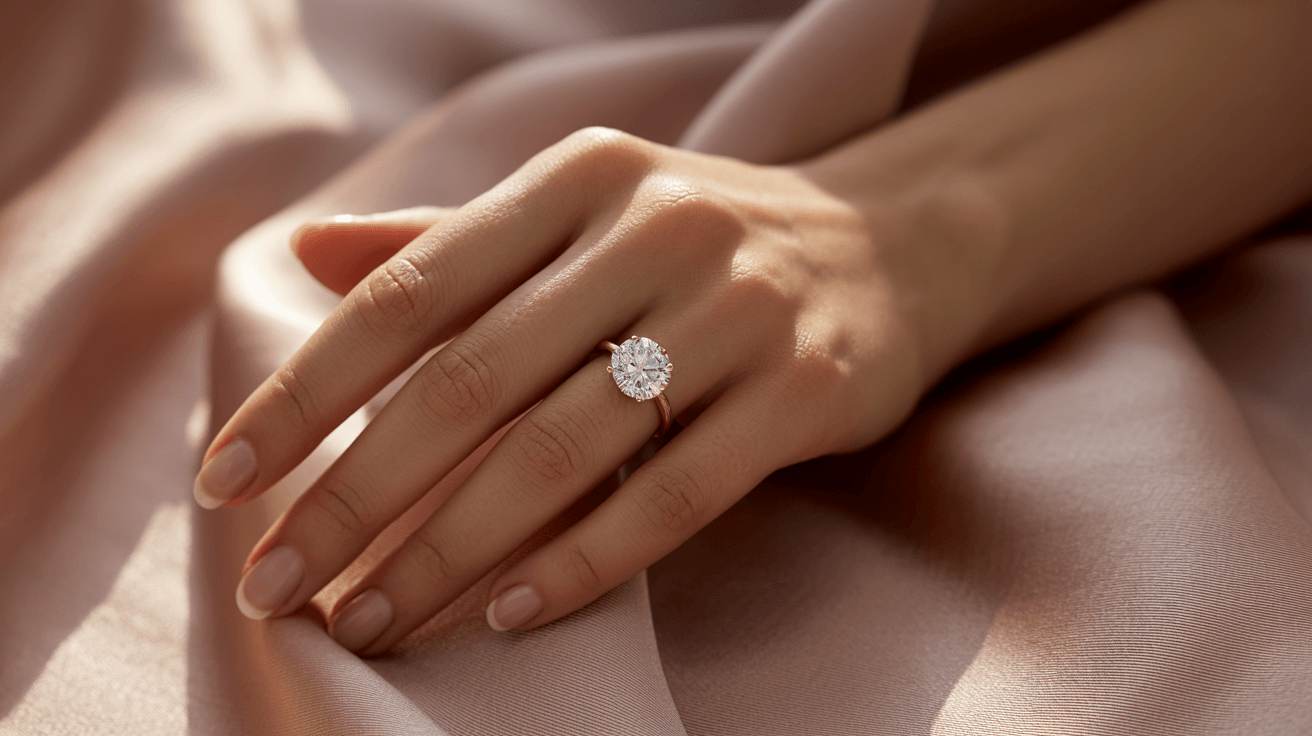
This visual impact extends beyond mere size perception. The oval's elegant proportions create sophistication and refinement that's particularly flattering when worn. The shape naturally draws the eye along its length, creating a graceful, elongating effect that enhances the wearer's natural elegance—particularly flattering on fingers and hands.
For those seeking maximum impact within their budget, oval diamonds represent an intelligent choice. You can achieve the visual presence of a significantly larger round diamond whilst investing in superior quality characteristics or simply achieving better value for your investment. This principle applies whether you're considering a modest stone or exploring 1 carat lab diamonds for a more substantial presence.
Understanding Length-to-Width Ratios: Finding Your Perfect Oval
The Simple Maths Behind Beautiful Proportions
The length-to-width ratio fundamentally determines an oval diamond's aesthetic character and visual impact. This crucial measurement, calculated by dividing the stone's length by its width, dramatically influences how the diamond will appear when worn and how it will complement different setting styles.
| Ratio Range | Appearance | Best For |
|---|---|---|
| 1.20–1.30 | Rounded, organic | Vintage-inspired settings |
| 1.30–1.50 | Classic oval | Most versatile choice |
| 1.50–1.70 | Dramatically elongated | Contemporary, fashion-forward looks |
Ratios between 1.30 and 1.50 represent the most popular range, offering classic oval proportions that feel neither too elongated nor too rounded. A 1.35 ratio creates a perfectly balanced oval that captures the shape's elegance without appearing extreme in either direction. This proportion works exceptionally well in most settings and complements various hand shapes and personal styles.
Narrower ratios (1.20-1.30) create ovals that appear more rounded, offering a softer, more organic appearance that can feel particularly romantic and feminine. These proportions work beautifully in vintage-inspired settings and complement delicate, refined personal styles perfectly.
More elongated ratios (1.50-1.70) create dramatically elongated ovals with a more contemporary, fashion-forward appearance. These proportions make a bold style statement and can appear remarkably elegant on longer fingers, creating striking visual impact that commands attention.
Choosing Based on Your Personal Style and Lifestyle
Selecting the ideal ratio involves considering both personal aesthetic preferences and practical wearing considerations. Your hand shape, finger length, and preferred style aesthetic all influence which ratio will look most flattering and feel most comfortable for daily wear.
Shorter fingers often benefit from more elongated ratios (1.45-1.65), as the extended proportions create a lengthening visual effect that's universally flattering. Longer fingers can accommodate virtually any ratio beautifully, though more rounded proportions (1.30-1.40) can create elegant balance.
Setting style significantly influences optimal ratio selection. Solitaire settings showcase elongated ovals particularly well, whilst halo settings can make any ratio appear more substantial. Three-stone settings often work best with moderate ratios (1.35-1.45) that harmonise beautifully with side stones.
Consider your lifestyle and wearing preferences as well. More elongated ovals can occasionally catch on clothing or feel less secure in certain settings, whilst moderate ratios offer excellent durability and comfort for everyday wear.

The Bow-Tie Effect: What You Actually Need to Know
Understanding This Completely Natural Characteristic
The bow-tie effect represents one of the most misunderstood characteristics of oval diamonds. This darker area that can appear across the stone's centre is not a flaw or defect, but rather a natural optical phenomenon that occurs in many elongated diamond shapes, including ovals, marquise, and pear cuts.
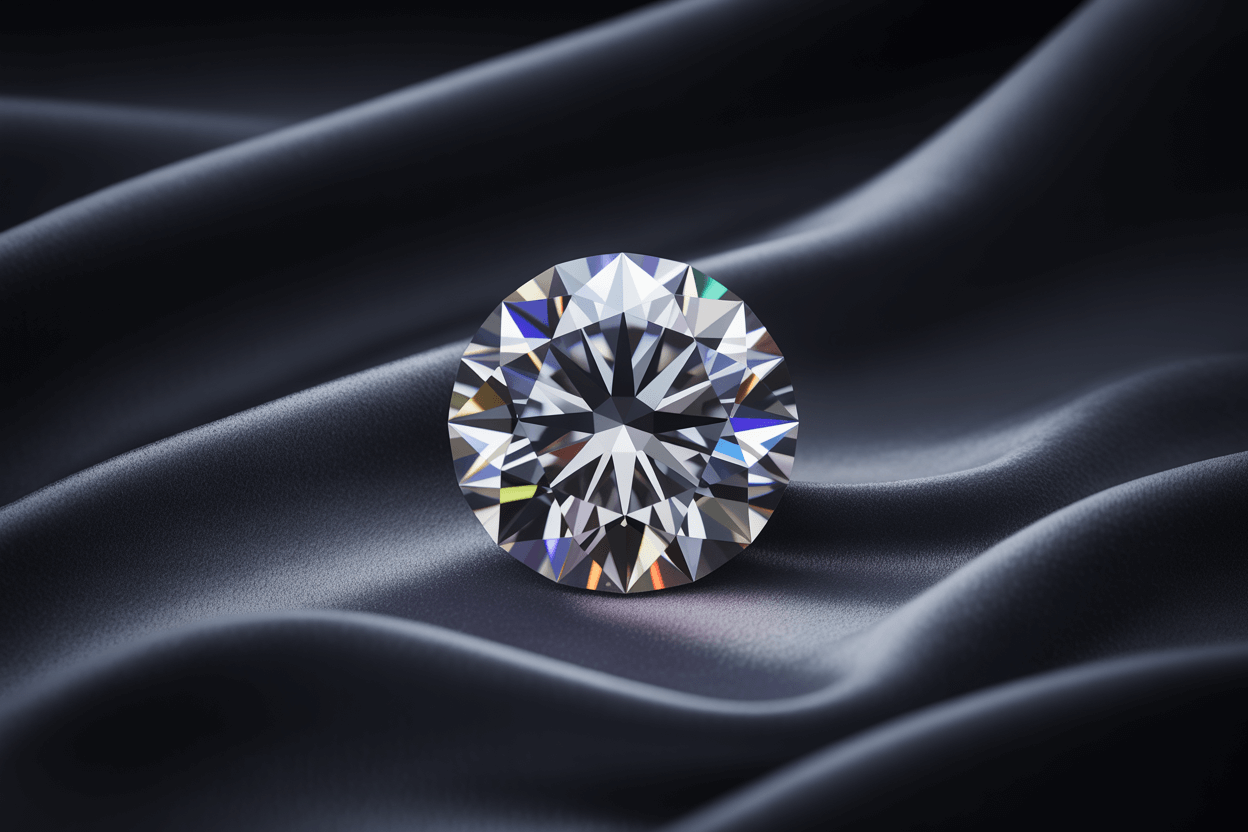
This effect occurs due to the interaction between light and the diamond's faceting pattern. In certain lighting conditions and viewing angles, some areas of the diamond may appear darker because light reflects away from the observer rather than back towards them. Every oval diamond exhibits some degree of bow-tie effect—the key lies in understanding what constitutes acceptable levels versus problematic extremes.
Minimal bow-tie effects are barely noticeable and don't detract from the diamond's overall beauty or brilliance. These diamonds exhibit excellent light performance with only subtle shadowing that's apparent only under specific lighting conditions. Moderate bow-tie effects are more noticeable but still perfectly acceptable, particularly if the diamond exhibits exceptional fire and brilliance in other areas.
Severe bow-tie effects create prominent dark areas that significantly impact the diamond's beauty and light performance. These should generally be avoided, as they detract from the stone's overall appeal and can make even high-quality diamonds appear lifeless or poorly cut.
How to Spot and Avoid Problematic Bow-Ties
Expert evaluation remains the most reliable method for assessing bow-tie effects, as these characteristics can be difficult to evaluate from photographs or certificates alone. When viewing diamonds in person, examine the stone under various lighting conditions—natural daylight, LED lighting, and traditional jewellery store lighting all reveal different aspects of the diamond's performance.
Professional guidance makes all the difference. At Juvetti, our gemologists carefully evaluate every oval diamond for bow-tie effects, selecting only stones that exhibit minimal shadowing whilst maximising brilliance and fire. We understand that choosing a diamond represents a significant investment, both financially and emotionally.
Proper cutting proportions significantly influence bow-tie severity. Well-cut oval diamonds with appropriate depth percentages, table sizes, and pavilion angles typically exhibit minimal bow-tie effects whilst delivering exceptional light performance. This is why working with experienced jewellers who understand diamond cutting quality becomes crucial.
Quality Factors: Understanding the 4Cs for Oval Lab Diamonds
Cut Quality: The Foundation of Beauty
Cut quality represents the most crucial factor in determining an oval diamond's beauty, yet it's often the least understood by consumers. Unlike round brilliant diamonds, which have standardised cut grades, oval diamonds require more nuanced evaluation based on proportions, symmetry, and light performance.
Excellent oval cuts exhibit specific proportion ranges that maximise brilliance whilst minimising bow-tie effects. The ideal depth percentage typically ranges from 58-68%, whilst table percentages between 53-63% generally produce the most attractive results. However, these numbers must work together harmoniously—a diamond with perfect depth might still perform poorly if other proportions are incorrect.
Symmetry becomes particularly important in oval diamonds. The stone should appear perfectly symmetrical when viewed face-up, with both halves mirroring each other precisely. Poor symmetry creates an unbalanced appearance that no amount of sparkle can overcome.
Colour, Clarity, and Carat: Making Smart Choices
Colour considerations differ slightly for oval diamonds compared to round brilliants. The elongated shape can sometimes reveal colour more readily, particularly near the pointed ends. For this reason, many buyers prefer staying within the G-J colour range for optimal value, though personal preference ultimately determines the best choice.
Clarity requirements often prove more forgiving in oval diamonds. The brilliant faceting pattern effectively masks many inclusions that would be visible in step-cut diamonds like emerald cuts. SI1 and SI2 grades frequently offer excellent value, particularly when inclusions fall outside the critical central area.
Carat weight considerations become particularly interesting with oval diamonds due to their size appearance advantage. A 0.90-carat oval often appears as large as a 1-carat round diamond, offering potential savings without sacrificing visual impact. This size enhancement makes oval diamonds particularly attractive for those seeking maximum presence within their budget.

Perfect Settings for Oval Lab Diamonds
Classic Settings That Never Go Out of Style
Solitaire settings showcase oval diamonds beautifully, allowing the stone's natural elegance to take centre stage. The elongated shape prevents solitaire mountings from appearing too simple, whilst the clean lines emphasise the diamond's graceful proportions. Perfect for engagement rings, four or six-prong settings work equally well, though six-prong options offer additional security for larger stones.
Halo settings create a spectacular impact with oval diamonds. The surrounding diamonds can be arranged to follow the oval's natural curves or create interesting geometric contrasts. Halo settings also make the centre stone appear larger whilst adding extra sparkle—perfect for maximising visual impact within your budget.
Three-stone settings offer wonderful symbolism whilst creating balanced compositions. Oval centre stones can be flanked by smaller ovals, round brilliants, or even trapezoid side stones for a more contemporary look. This setting style works particularly well for meaningful pieces with lasting significance.
Contemporary Design Ideas
East-west settings offer a modern twist, mounting the oval diamond horizontally rather than vertically. This orientation creates a completely different aesthetic whilst making the finger appear longer and more elegant. East-west settings work particularly well with more elongated ratios.
Bezel settings provide a sleek, modern appearance whilst offering excellent protection for the diamond. The metal rim can follow the oval's natural curves, creating a sophisticated look that's perfect for active lifestyles.
For those interested in coordinated jewellery sets, oval diamonds work beautifully across different pieces. Consider matching necklaces, earrings, and bracelets featuring complementary oval stones for a cohesive, elegant look.
Styling and Wearing Oval Lab Diamonds
Versatility Across Occasions
Oval diamonds adapt beautifully to both formal and casual settings. Their elongated shape creates elegance that's appropriate for special occasions, yet their unique character adds interest to everyday wear. This versatility makes them excellent choices for pieces you'll treasure and wear regularly.
Day-to-day styling benefits from oval diamonds' distinctive silhouette. Unlike perfectly round stones that can appear conventional, ovals offer subtle uniqueness that catches the light beautifully whilst remaining appropriate for professional and casual environments.
Evening elegance comes naturally to oval diamonds. Their elongated proportions catch candlelight and artificial lighting beautifully, creating the kind of sophisticated sparkle that makes them perfect for special occasions and memorable moments.
Coordinating with Other Jewellery
Metal choices significantly impact how oval diamonds appear. White gold and platinum create crisp, modern looks that emphasise the stone's brilliance, whilst yellow gold offers warmth and traditional elegance. Rose gold provides a romantic, contemporary feel that's particularly appealing to modern buyers.
Layering possibilities abound with oval diamonds. Their distinctive shape coordinates beautifully with other jewellery whilst maintaining their unique character. Consider how your oval diamond piece will work with existing jewellery to create cohesive, elegant looks.
Investment Value and Market Trends
Growing popularity positions oval lab diamonds as increasingly desirable choices in the luxury jewellery market. As consumers become more conscious about ethical sourcing and environmental impact, lab-grown diamonds represent the future of responsible luxury. Oval shapes, with their distinctive character and size advantages, are particularly well-positioned within this trend.
Market trends suggest continued growth in lab-grown diamond acceptance, with oval shapes benefiting from their versatility and distinctive character. Unlike some trendy cuts that may fall from favour, ovals have maintained popularity across generations, suggesting enduring appeal.
International recognition continues to grow for lab-grown diamonds. According to recent industry reports from the Gemological Institute of America, consumer acceptance has reached unprecedented levels, whilst market research from De Beers' Diamond Insight Report indicates strong growth trajectories for alternative diamond sources.
Long-term value in lab-grown diamonds comes primarily from their beauty and personal significance rather than investment appreciation. However, their durability, ethical provenance, and exceptional quality ensure they'll remain treasured possessions for generations, making them excellent choices for heirloom pieces.
Frequently Asked Questions
Do oval lab diamonds look bigger than round diamonds of the same carat weight?
Yes, oval diamonds typically appear 10-15% larger than round diamonds of identical carat weight due to their elongated shape and increased surface area. This creates excellent value for those seeking maximum visual impact.
What's the ideal length-to-width ratio for oval diamonds?
Most buyers prefer ratios between 1.30 - 1.50, with 1.35 being particularly popular. However, personal preference should guide your choice—some prefer more rounded ovals (1.20-1.30) whilst others favour elongated shapes (1.50-1.70).
Is the bow-tie effect a serious problem in oval diamonds?
The bow-tie effect is natural and appears in virtually all oval diamonds to some degree. Minimal to moderate bow-tie effects are perfectly acceptable and don't significantly impact beauty. Severe bow-tie effects should be avoided.
Are lab-grown oval diamonds as durable as natural diamonds?
Absolutely. Lab-grown diamonds possess identical physical and chemical properties to natural diamonds, including the same hardness (10 on the Mohs scale), making them equally durable and suitable for daily wear.
How do oval lab diamonds compare in price to natural ovals?
Lab-grown oval diamonds typically cost 30-40% less than natural ovals of comparable quality, offering exceptional value whilst maintaining identical beauty and durability.
Why Choose Juvetti for Your Oval Lab Diamond
Our curated selection process ensures every oval diamond meets exacting standards before joining our Lab Diamond Collection. With over 5,000 oval lab diamonds and 32,200 other diamonds available, we maintain one of the most comprehensive selections in the UK, yet each stone undergoes rigorous evaluation for cut quality, proportion harmony, and overall beauty.
Hand-selected excellence defines our approach. Our gemologists examine each diamond individually, assessing not just the traditional 4Cs but also factors like light performance, bow-tie effects, and overall visual appeal. Only stones that meet our elevated standards earn a place in the Juvetti collection.
Exceptional value remains central to our mission. By working directly with leading diamond laboratories and maintaining efficient operations, we offer oval lab diamonds at prices that represent outstanding value. Our £250-£6,560 range ensures accessibility across different budgets whilst never compromising on quality.
Expert guidance accompanies every purchase. Our team understands that choosing a diamond involves both emotional and practical considerations. We're here to help you navigate the options, understand the trade-offs, and ultimately select a stone that brings joy for years to come.
We're proud to offer London's finest selection of oval lab diamonds, each one carefully chosen to represent the perfect balance of beauty, quality, and value. Whether you're celebrating a milestone, marking a special moment, or simply treating yourself to something extraordinary, our collection offers the perfect oval diamond to illuminate your most precious memories.
Ready to discover your perfect oval lab diamond? Visit our collection today and experience the difference that expertise, quality, and ethical luxury can make.